Full specimen index
Pest directory
Every pest in this index has its own identification notes, infestation signs, and a control sequence. If you searched “rats,” “mice,” or “cockroaches,” start with a head-term guide, then open the species page.
Rodents
Rats, mice, voles, squirrels, and other gnawing mammals in and around buildings. Open the Rodents group.
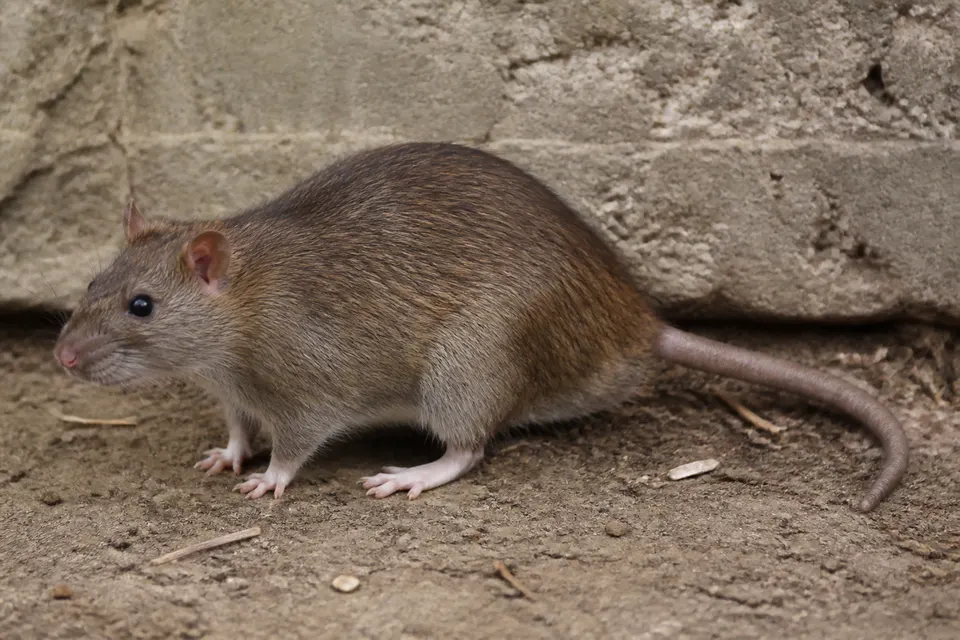
Norway rat
Rattus norvegicus
The Norway rat is the heavy, ground-dwelling commensal rat of US cities. It does not “decide” to live in…
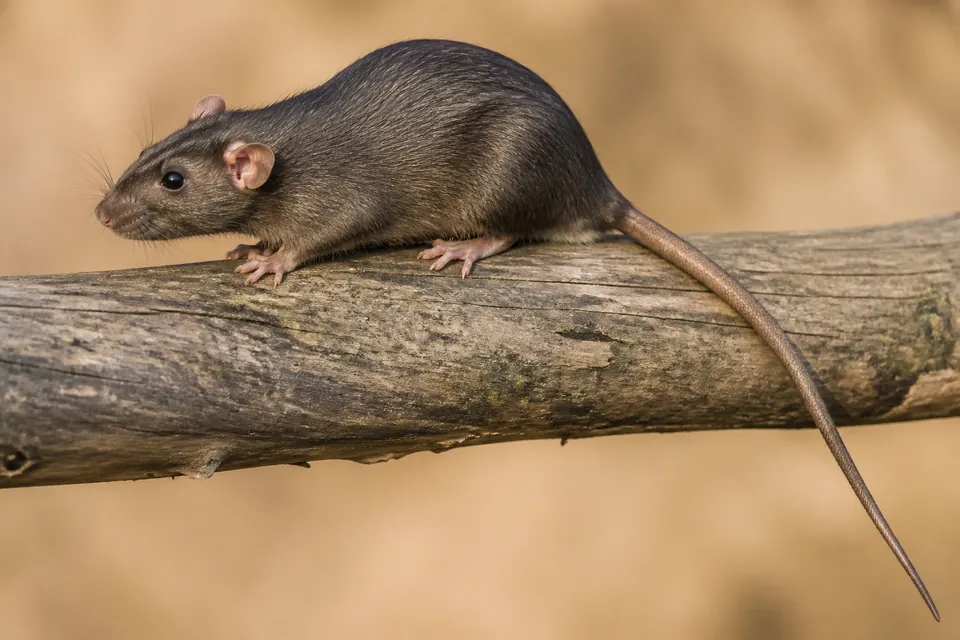
Roof rat
Rattus rattus
Roof rats are the athletes of commensal rats: long tail, large ears, a nose that looks sharp compared with a…
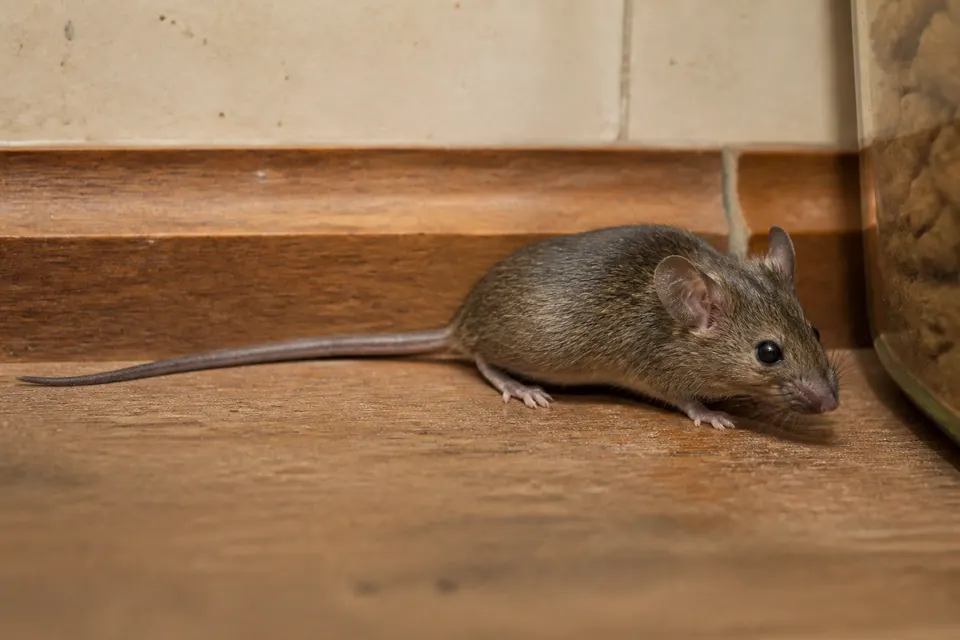
House mouse
Mus musculus
House mice succeed because they need almost no water beyond the moisture in food, they fit through a 6 mm…
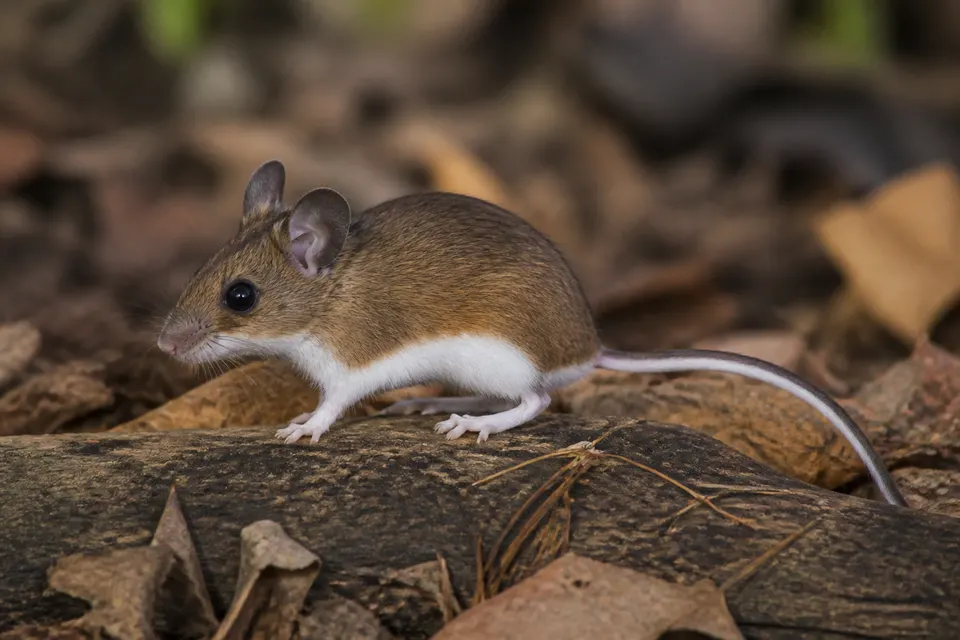
Deer mouse
Peromyscus maniculatus
Deer mice are native, big-eared, white-footed rodents with a bicolored tail. They are not house mice. CDC’s…
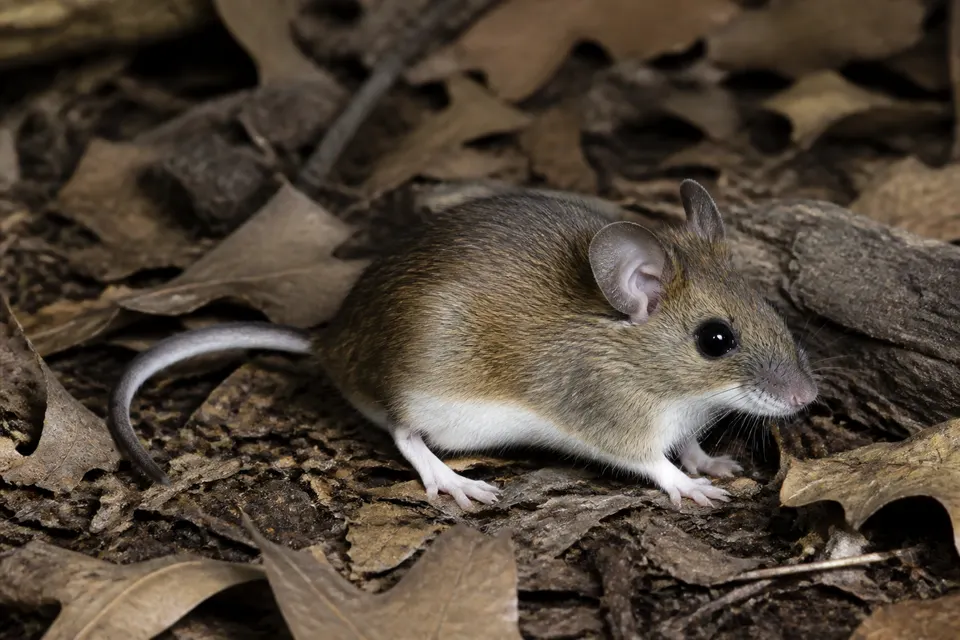
White-footed mouse
Peromyscus leucopus
White-footed mice look like deer mice to most homeowners: white belly, large ears, bicolored tail. They…
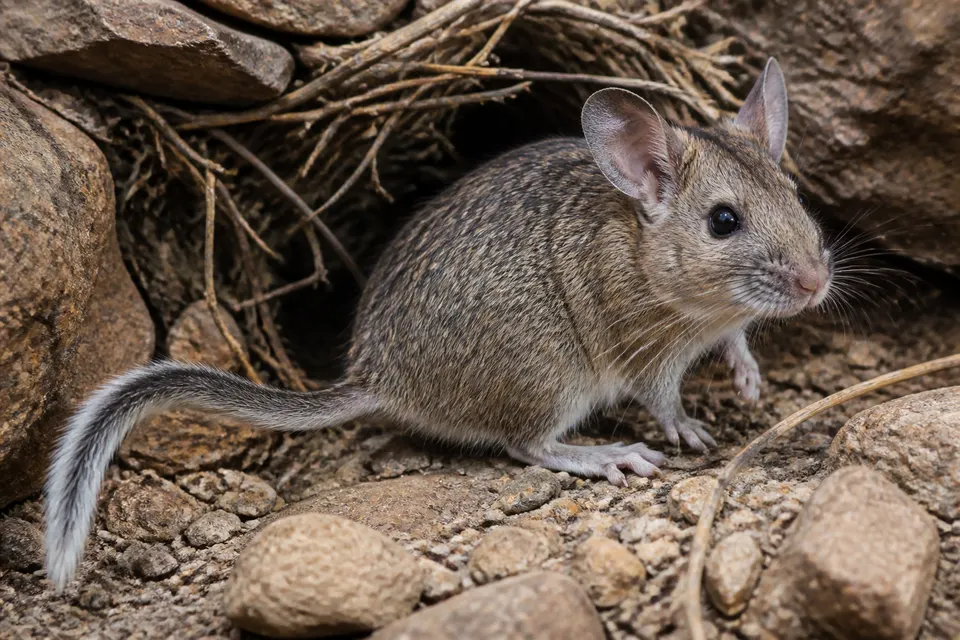
Pack rat (woodrat)
Neotoma spp.
Pack rats build middens — stick-and-cactus condominiums — against walls, in engine bays, and in attics in…
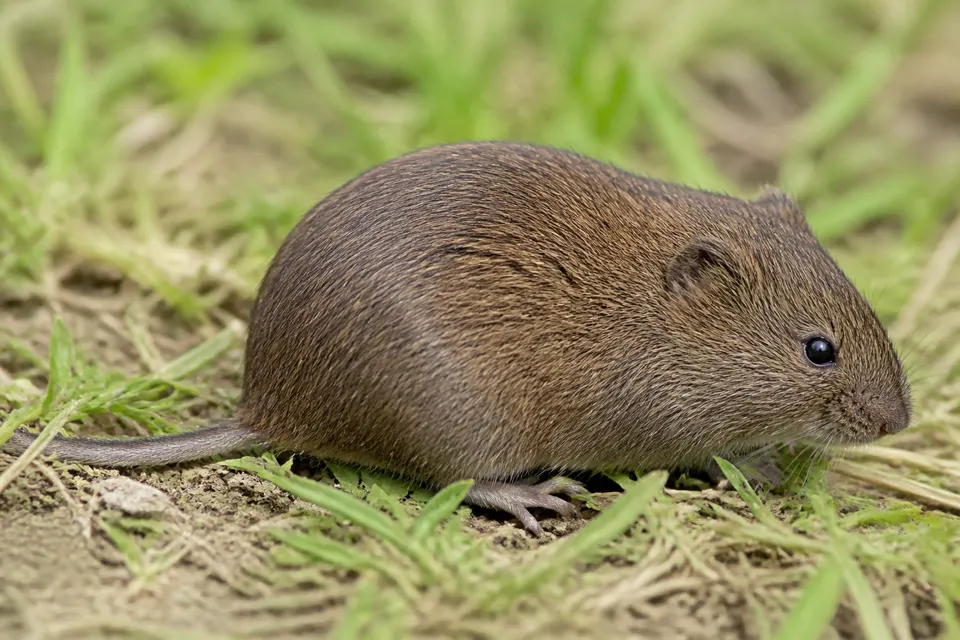
Meadow vole
Microtus pennsylvanicus
Voles are stocky, small-eared, short-tailed grassland rodents that run in surface tunnels through turf. They…
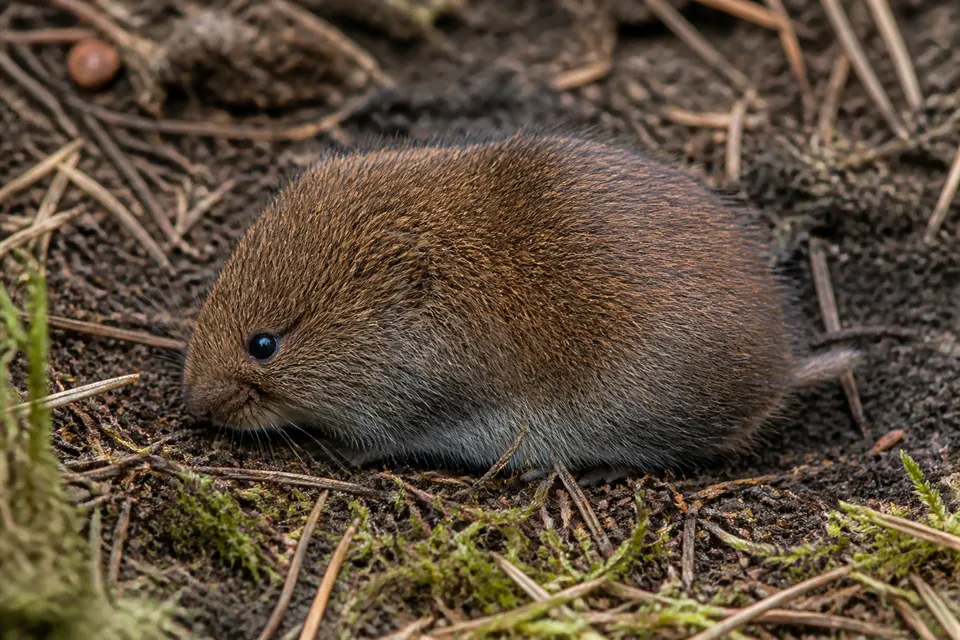
Pine vole
Microtus pinetorum
Pine voles work underground. They girdle roots, so a tree dies while the trunk looks intact — a nasty…
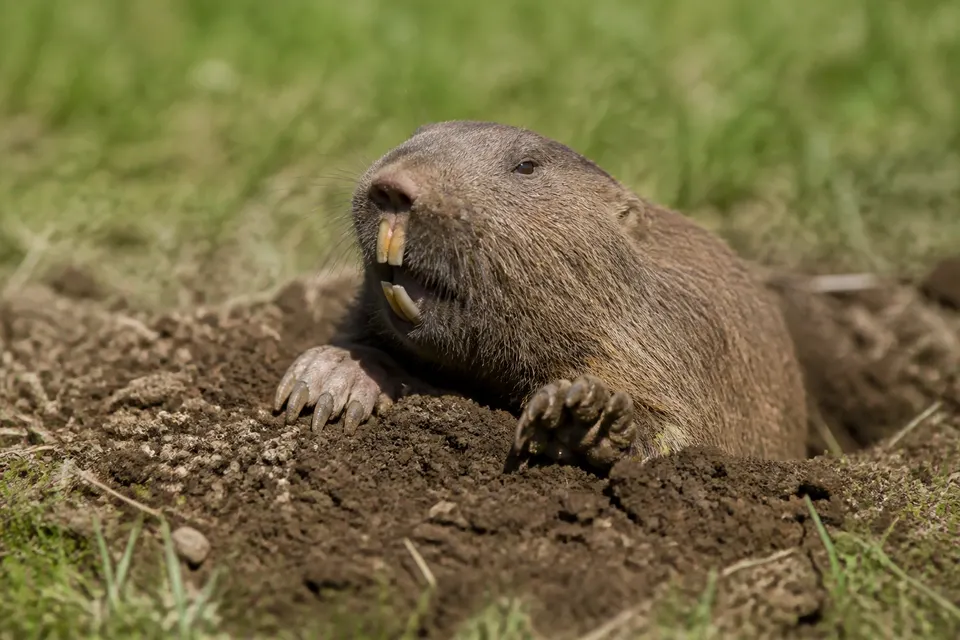
Pocket gopher
Geomyidae (several genera)
Pocket gophers are solitary fossorial rodents with fur-lined cheek pouches. They push crescent mounds, not…
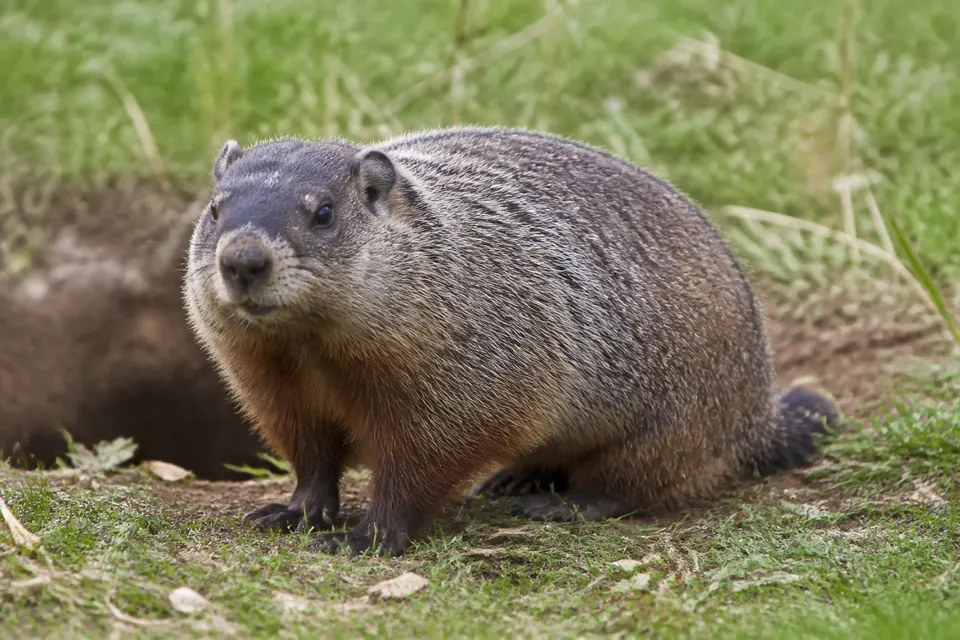
Groundhog (woodchuck)
Marmota monax
Groundhogs are large marmots that dig serious burrows under sheds, decks, and foundations. The structural…
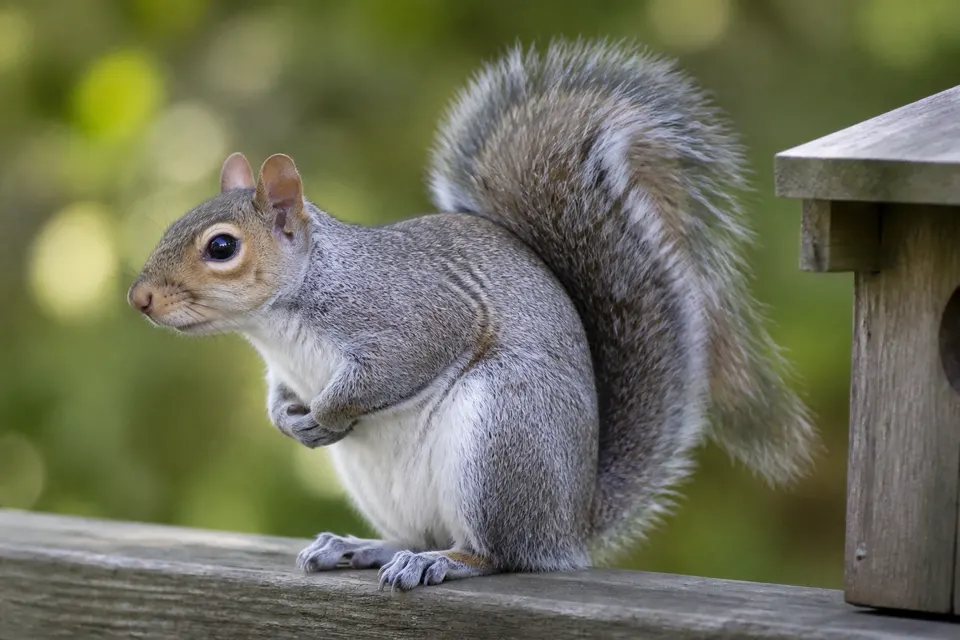
Eastern gray squirrel
Sciurus carolinensis
Gray squirrels are daytime, charismatic, and fully capable of opening a soffit like a can. Attic latrines…
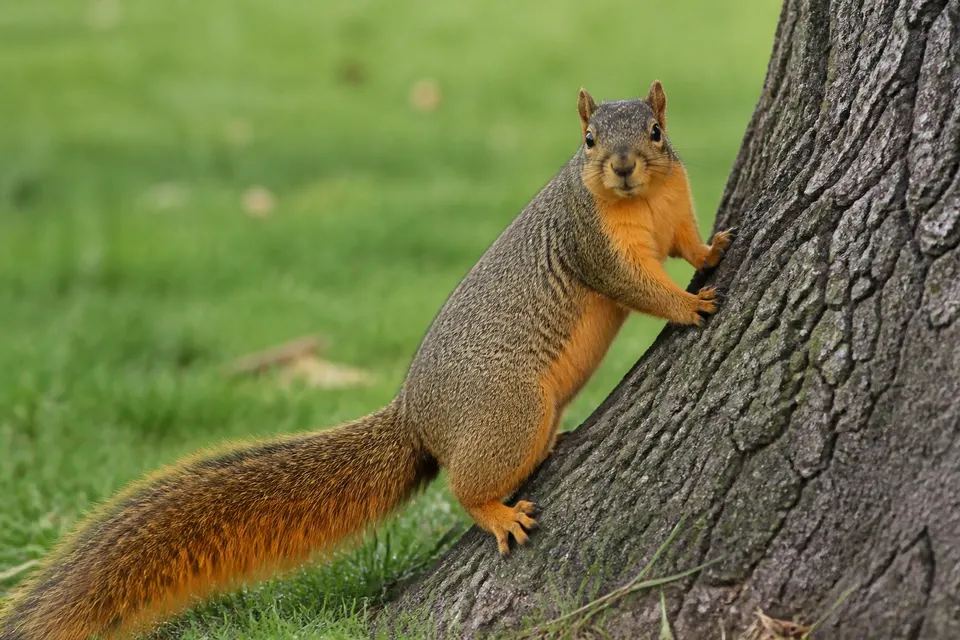
Fox squirrel
Sciurus niger
Fox squirrels are the bigger, often orange-tinged tree squirrel of Midwestern parks and Southern live oaks…
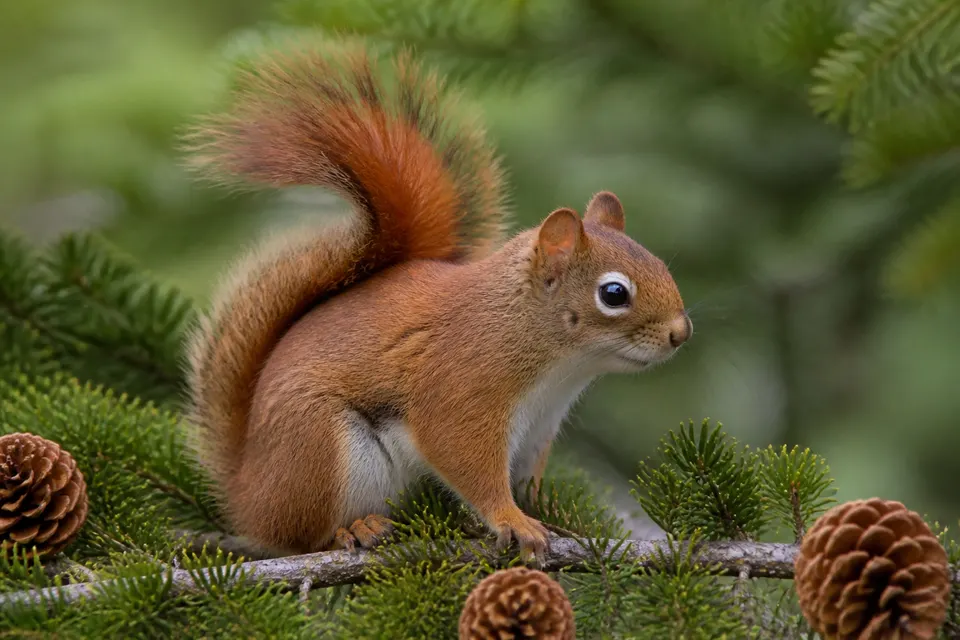
American red squirrel
Tamiasciurus hudsonicus
Red squirrels are small, territorial, and loud. They cache cones in middens and will still use cabins and…
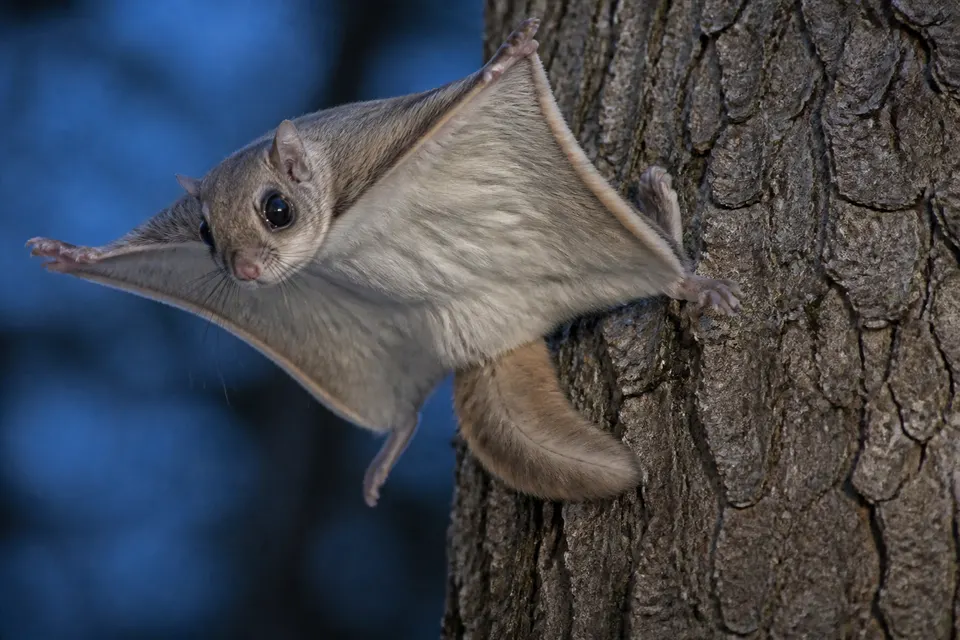
Flying squirrel
Glaucomys spp.
Flying squirrels are nocturnal gliders with a furred membrane. People hear them at night and diagnose “rats…
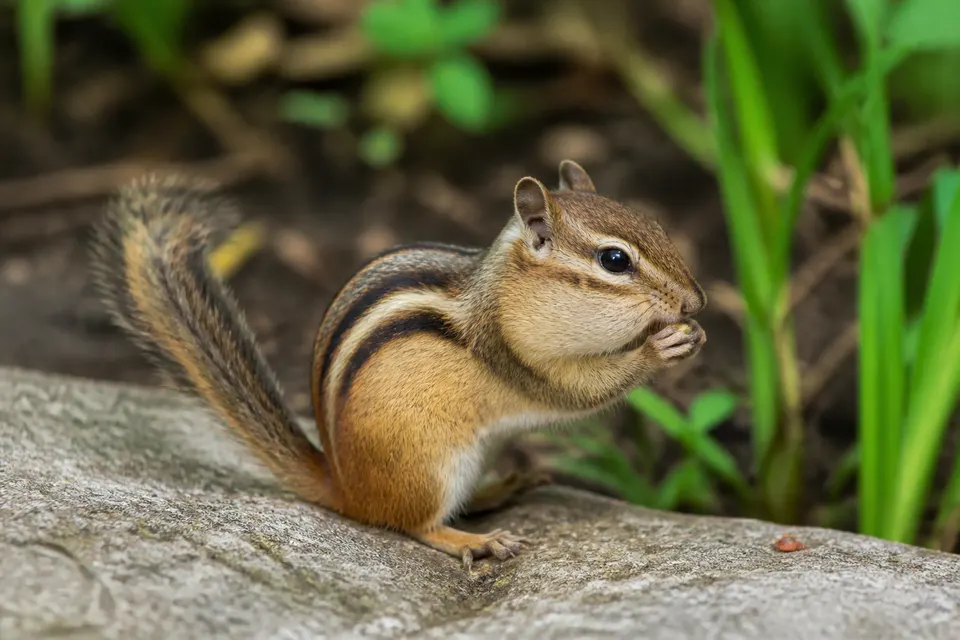
Chipmunk
Tamias / Neotamias spp.
Chipmunks are striped, diurnal, and mostly a garden and stone-wall burrow issue. They rarely “infest” a…
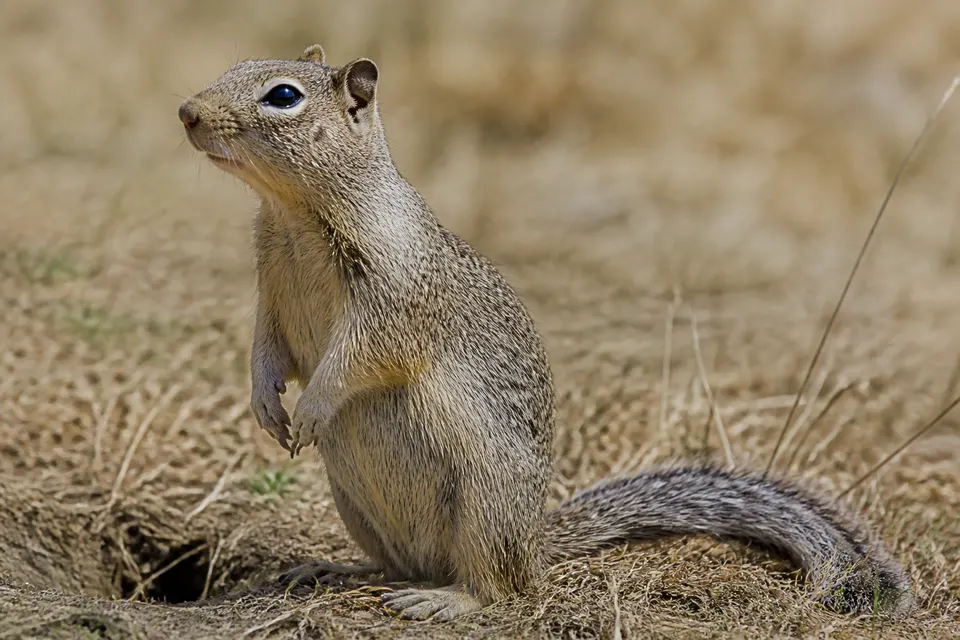
Ground squirrel
Otospermophilus and related genera
Ground squirrels are diurnal, colonial or loosely colonial burrowers that wreck berms, chew irrigation, and…
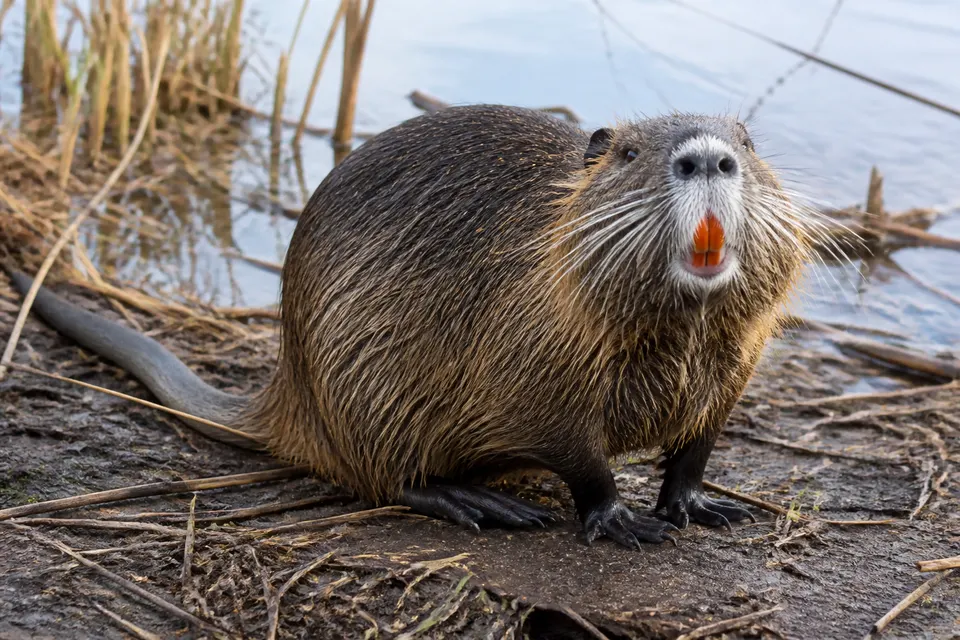
Nutria
Myocastor coypus
Nutria are large, invasive, semi-aquatic rodents with orange incisors and a round, rat-like tail (not a…
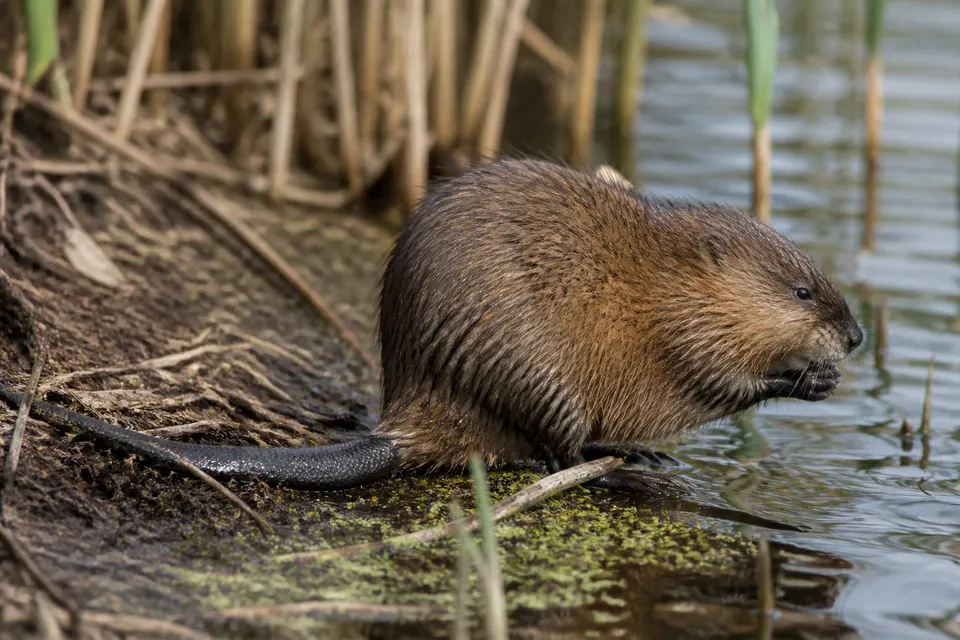
Muskrat
Ondatra zibethicus
Muskrats are native semi-aquatic rodents that burrow in dam faces and pond banks. They are smaller than…
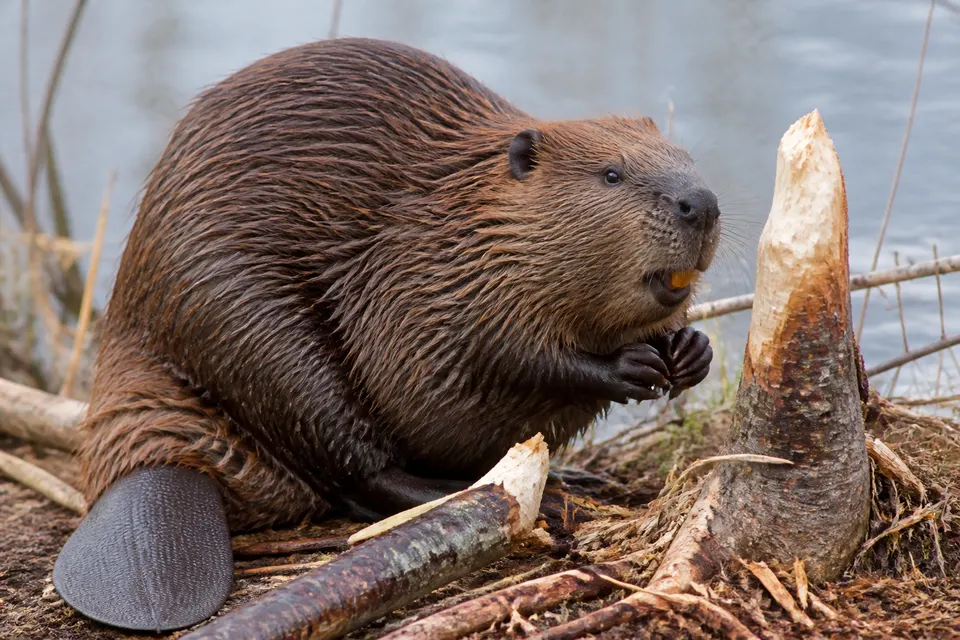
American beaver
Castor canadensis
Beavers are keystone wetland engineers. They are a “pest” only when a dam floods a road, septic, or timber…
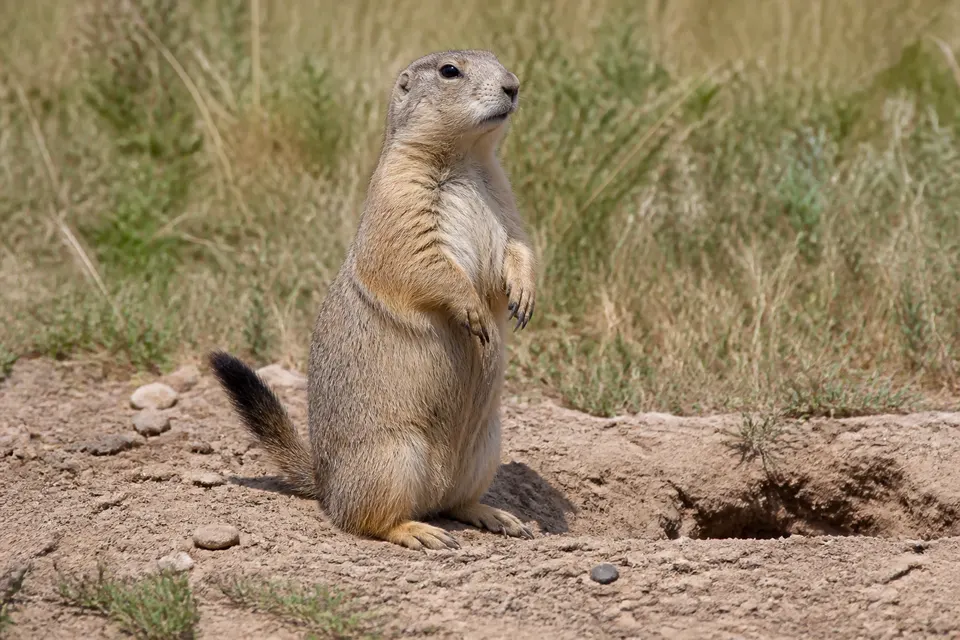
Prairie dog
Cynomys spp.
Prairie dogs are colonial, diurnal ground squirrels of the Plains. They are ecosystem engineers and also a…
Cockroaches
German, American, Oriental, brown-banded, and smokybrown cockroaches in kitchens, drains, and mulch. Open the Cockroaches group.
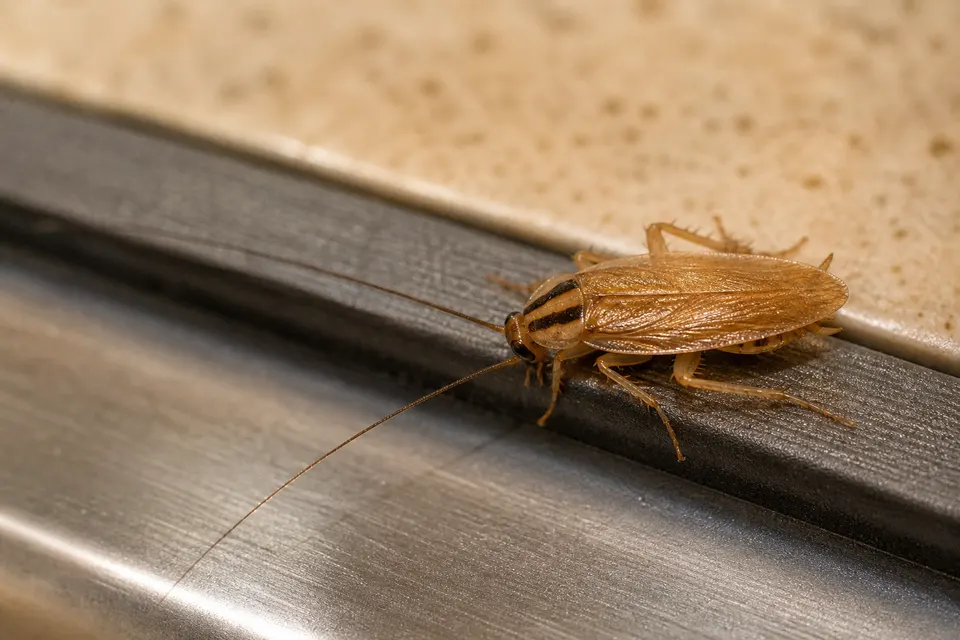
German cockroach
Blattella germanica
German cockroaches are small, tan, and indoor-only in the United States. Two dark stripes on the pronotum…
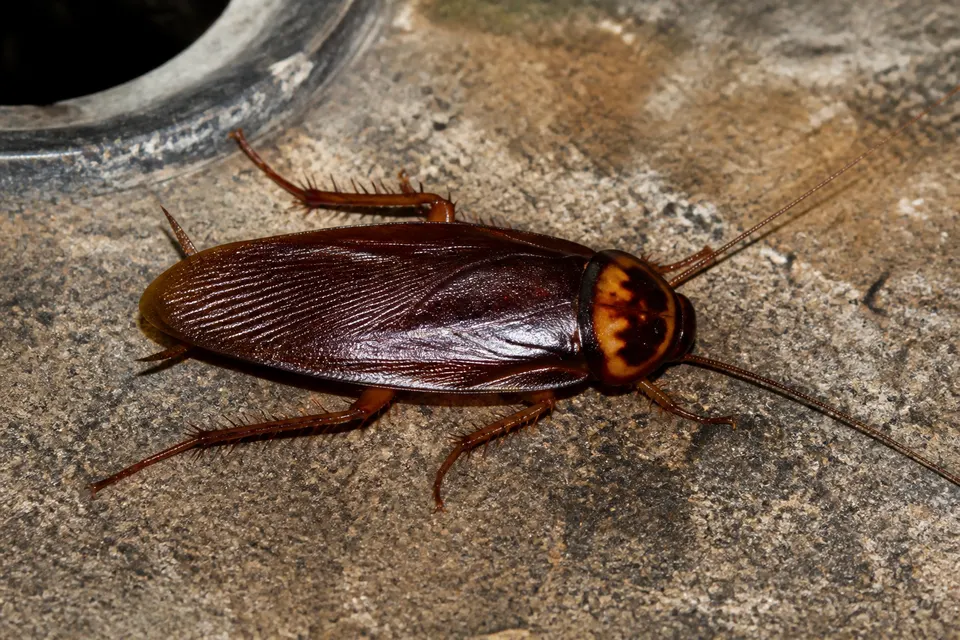
American cockroach
Periplaneta americana
American cockroaches are the large, reddish-brown insects people in the South call palmetto bugs. The name…
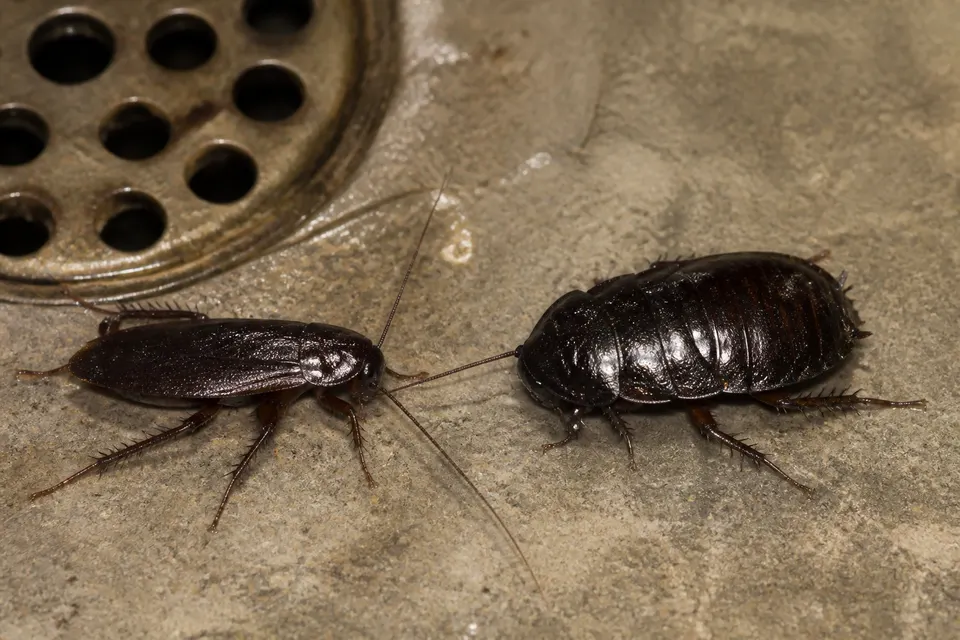
Oriental cockroach
Blatta orientalis
Oriental cockroaches are dark, greasy-looking, and slower than German cockroaches. Females have short wings…
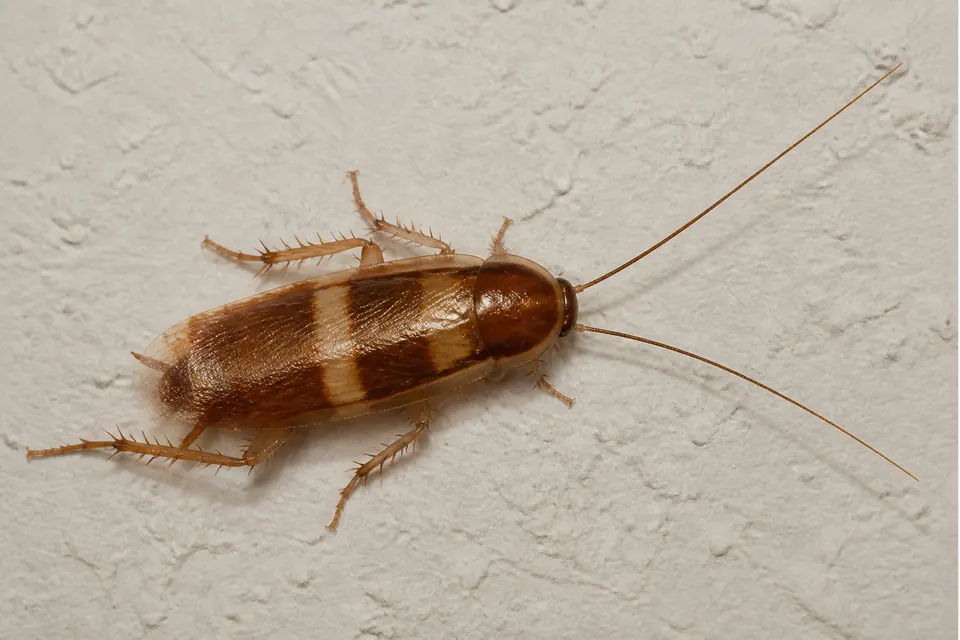
Brown-banded cockroach
Supella longipalpa
Brown-banded cockroaches are the ones that surprise people in a bedroom clock radio. They tolerate drier…
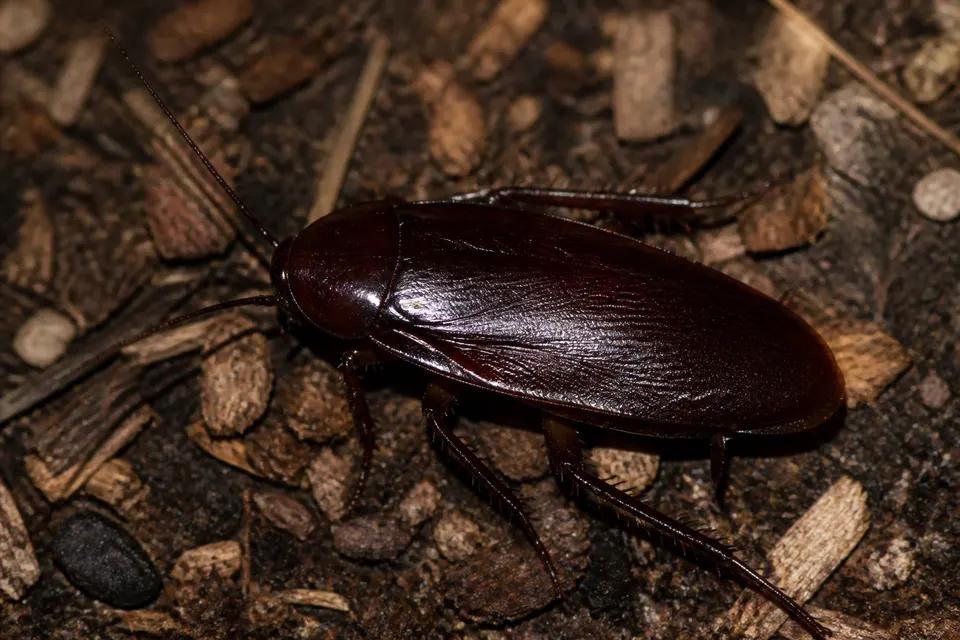
Smokybrown cockroach
Periplaneta fuliginosa
Smokybrown cockroaches are uniformly dark mahogany, slightly smaller than American cockroaches, and strongly…
Termites
Subterranean, Formosan, drywood, and dampwood termites — structural wood destroyers. Open the Termites group.
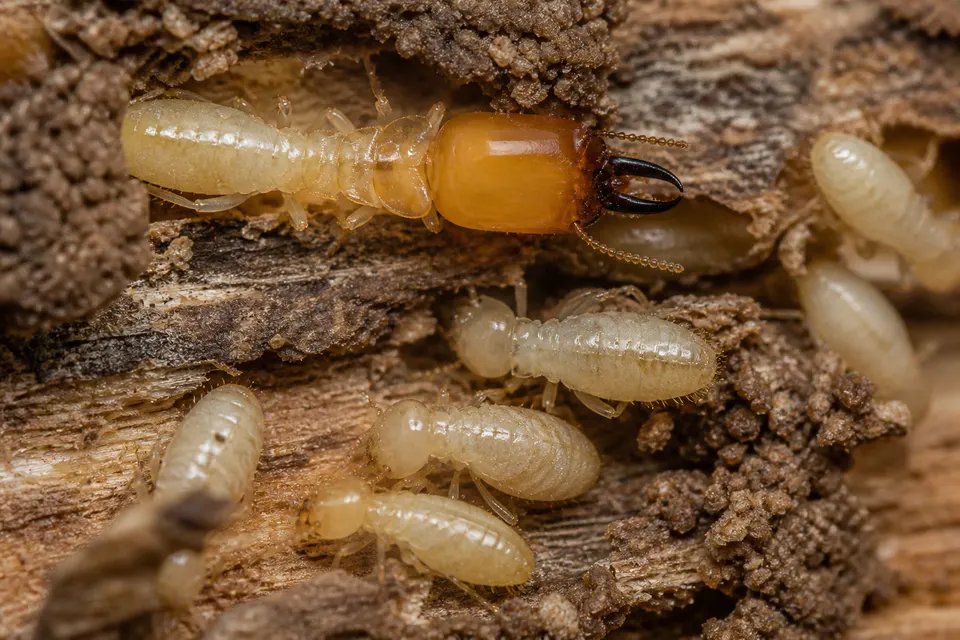
Subterranean termite
Reticulitermes spp. (and related soil-dwelling genera)
Subterranean termites live in soil and build mud shelter tubes to reach wood. They are the default…
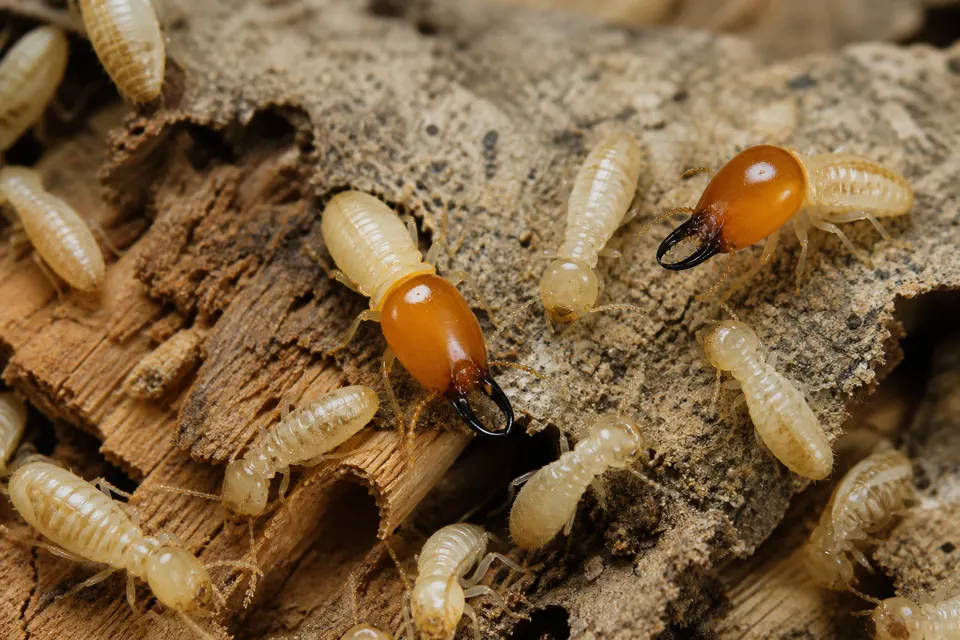
Formosan subterranean termite
Coptotermes formosanus
Formosan termites are an invasive subterranean species that can form enormous colonies, carton nests in…
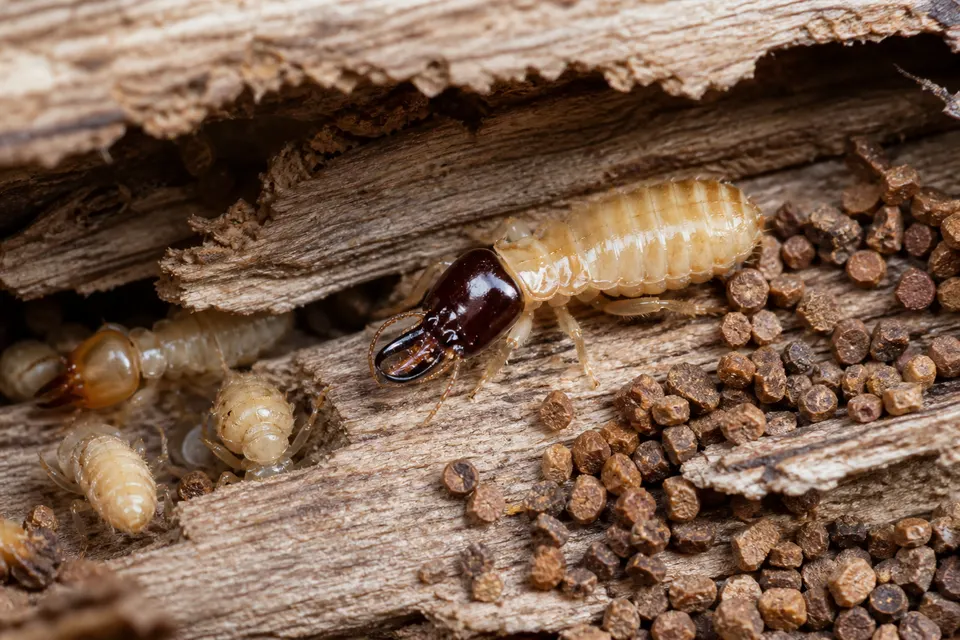
Drywood termite
Kalotermitidae (Incisitermes and others)
Drywood termites live inside the wood. They do not need soil contact. Pellets (frass) that look like tiny…
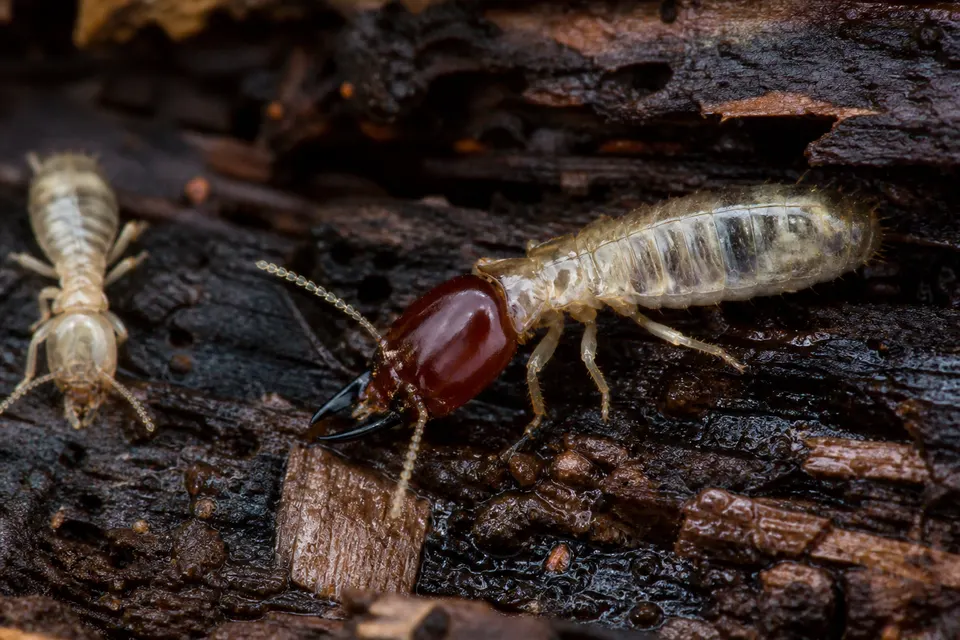
Dampwood termite
Zootermopsis and related genera
Dampwood termites need wet wood. They are often a moisture diagnosis wearing insect wings. Fix the leak, the…
Ants
Carpenter, fire, Pharaoh, odorous house, Argentine, and other structural ants. Open the Ants group.
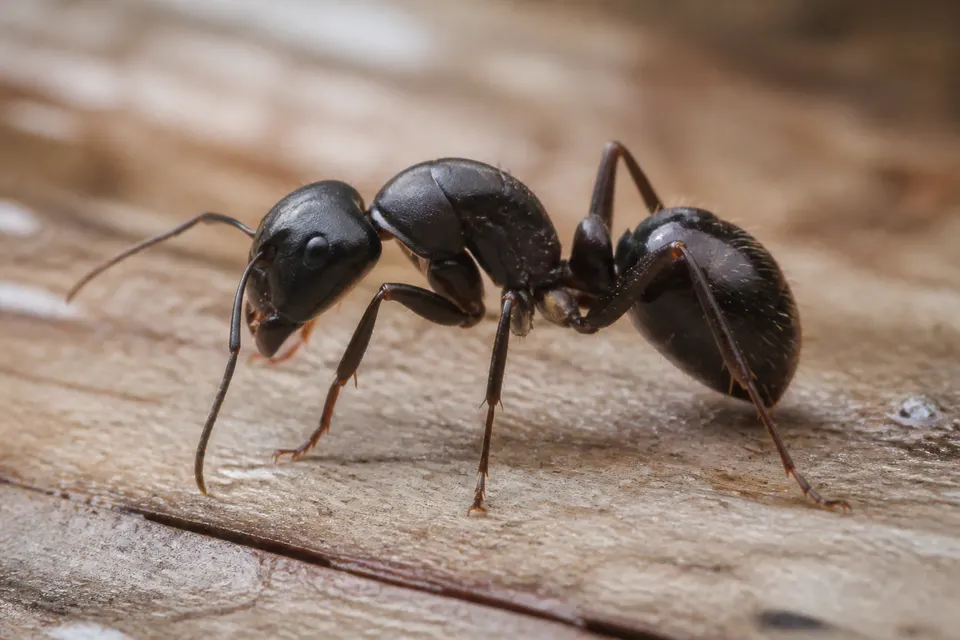
Carpenter ant
Camponotus spp.
Carpenter ants excavate damp or rotting wood to nest. They do not eat wood like termites; they dump shredded…
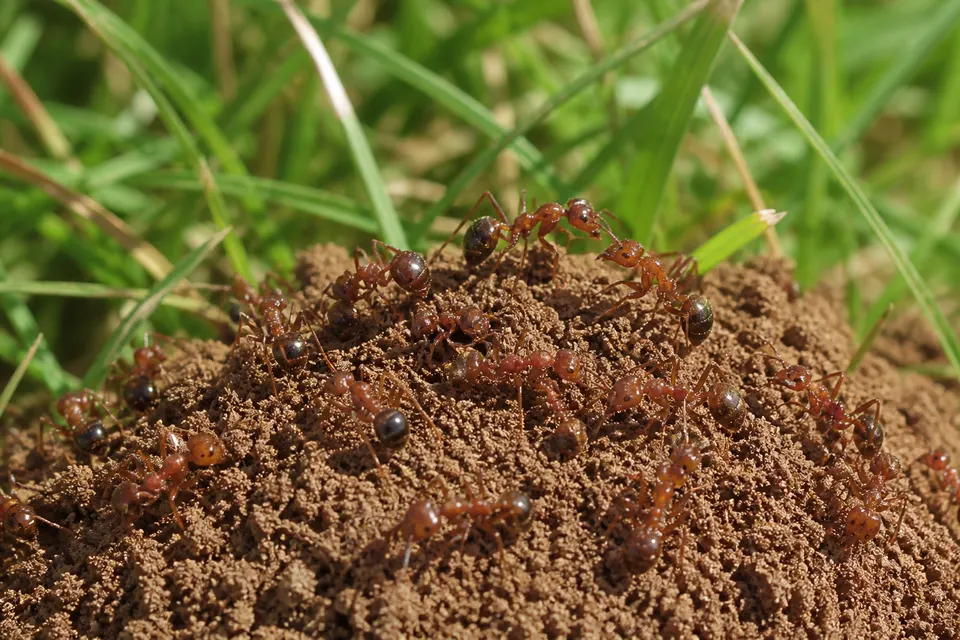
Red imported fire ant
Solenopsis invicta
Fire ants build fluffy mounds in yards, parks, and electrical equipment. They sting in groups. For some…
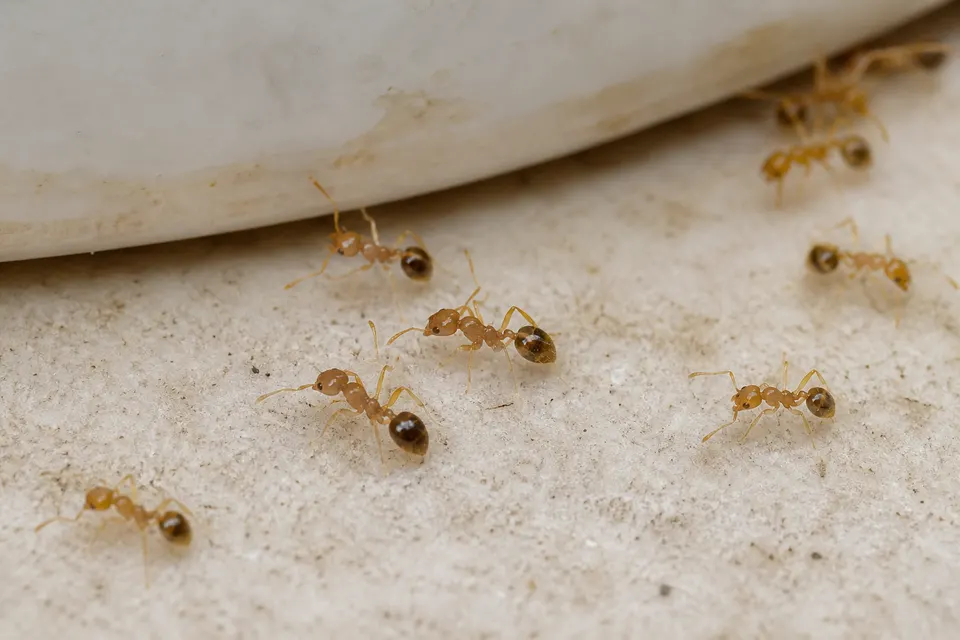
Pharaoh ant
Monomorium pharaonis
Pharaoh ants are tiny, yellowish, and famous for budding: spray a trail and you create many new colonies…
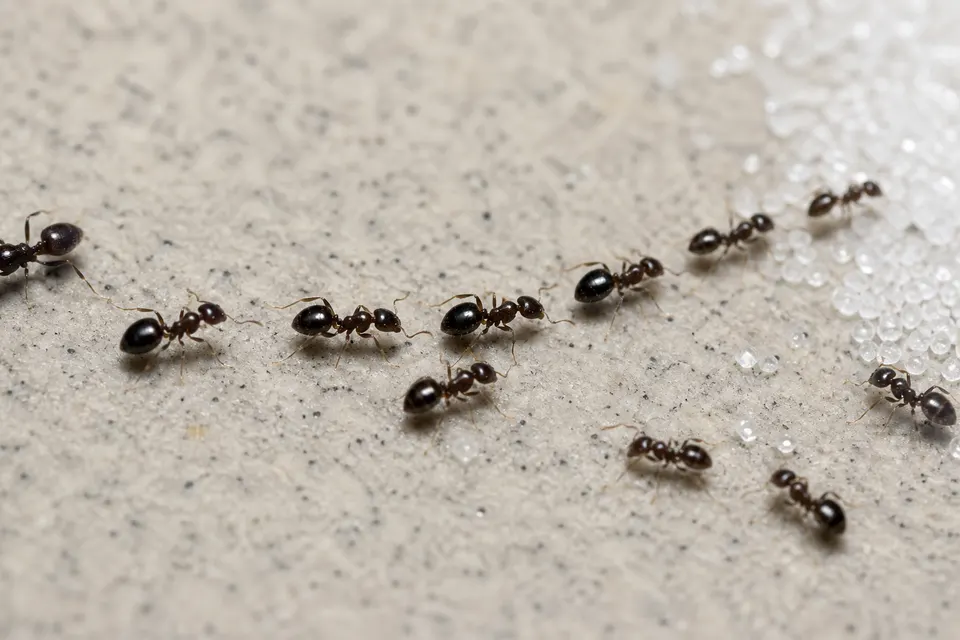
Odorous house ant
Tapinoma sessile
Crush one and you may smell rotten coconut. Odorous house ants nest in wall voids, mulch, and under siding…
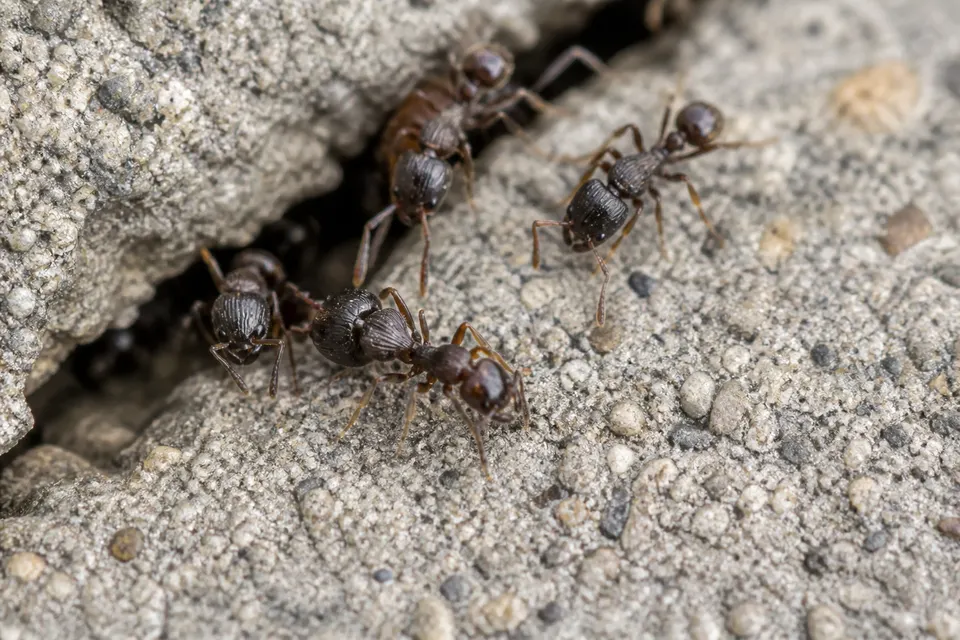
Pavement ant
Tetramorium immigrans (and related)
Pavement ants push little volcanoes of soil from sidewalk cracks and fight neighboring colonies in spring…
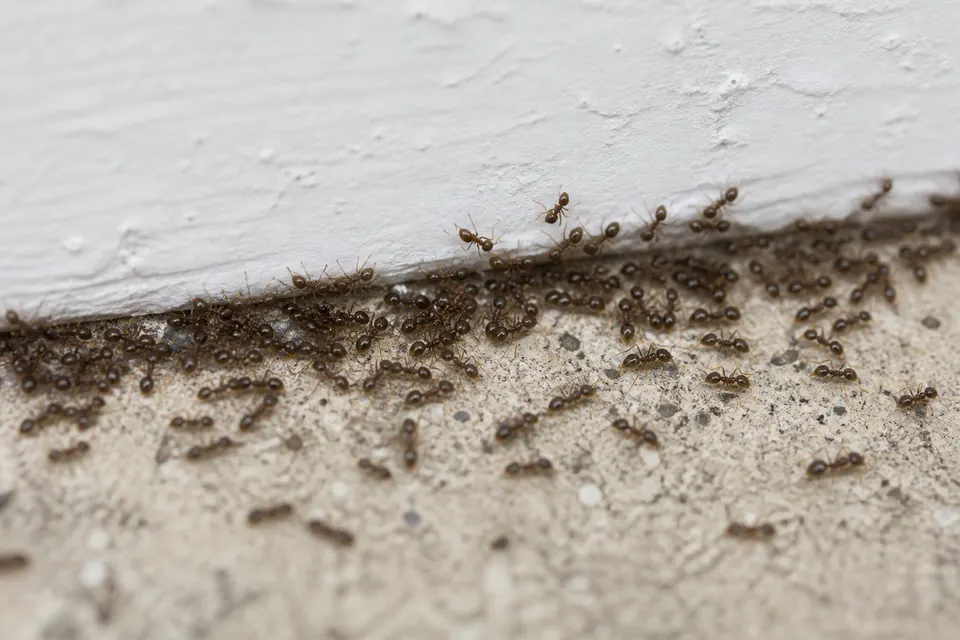
Argentine ant
Linepithema humile
Argentine ants form enormous supercolonies. In coastal California they replace native ants and then treat…
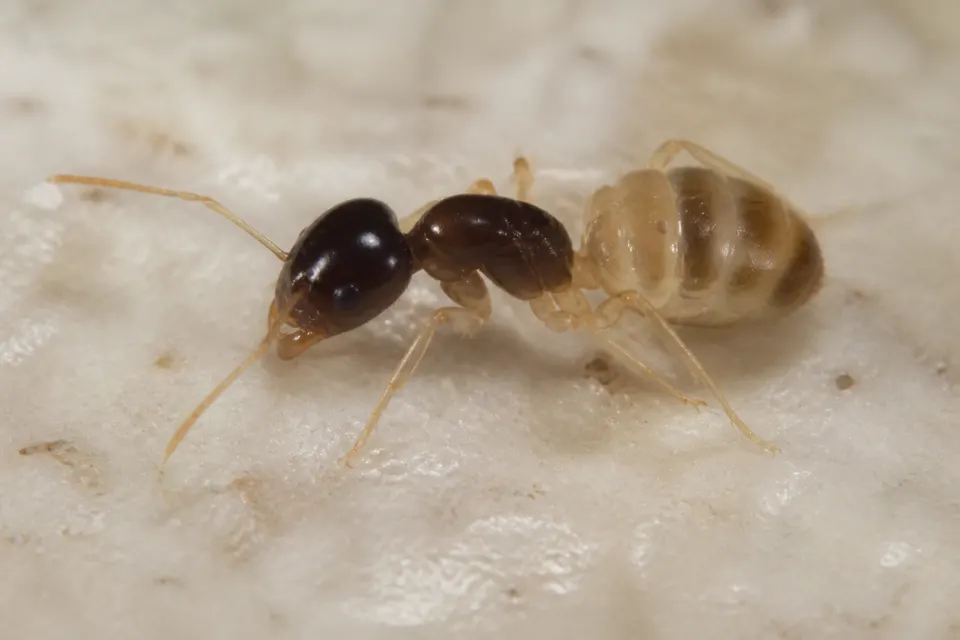
Ghost ant
Tapinoma melanocephalum
Ghost ants have dark heads and pale, translucent legs and abdomens. They nest in tiny moist voids — plant…
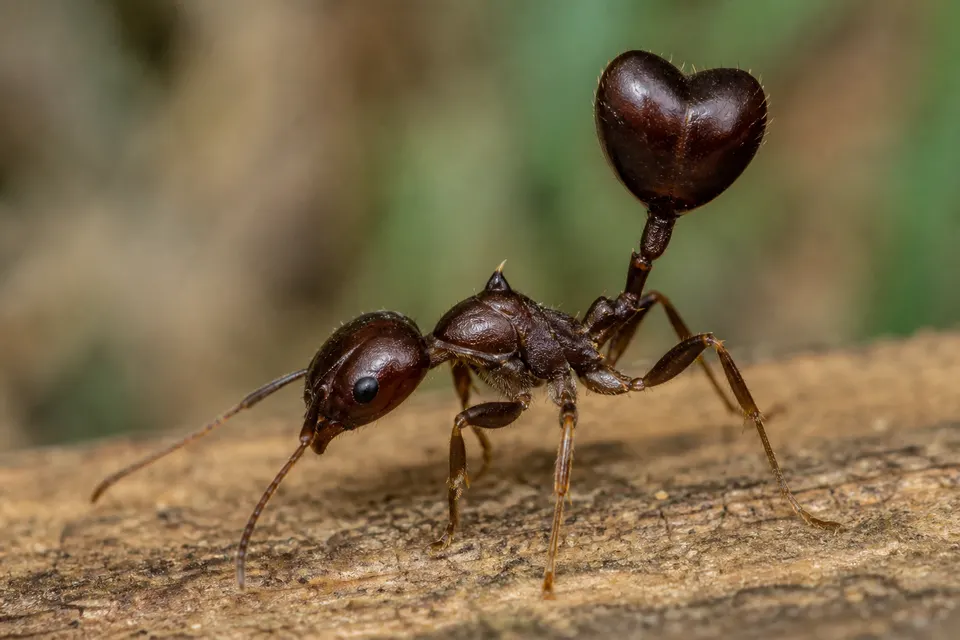
Acrobat ant
Crematogaster spp.
Acrobat ants heart-shape their gaster over the thorax when disturbed — a field mark. They nest in wet or…
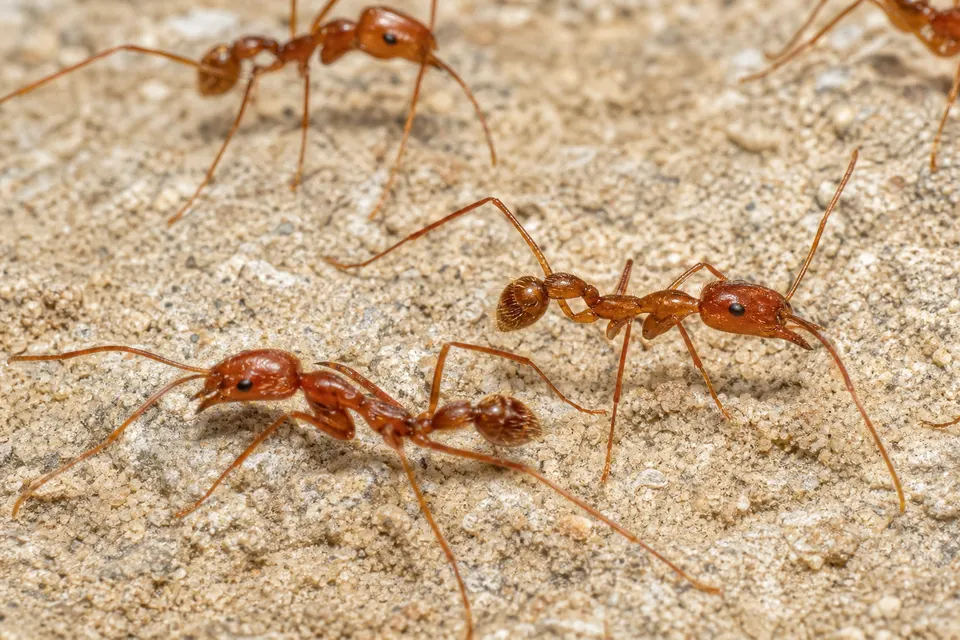
Crazy ant (including tawny crazy ant)
Nylanderia fulva and other “crazy” species
Tawny crazy ants can smother landscapes, electrical equipment, and honey bee operations on the Gulf Coast…
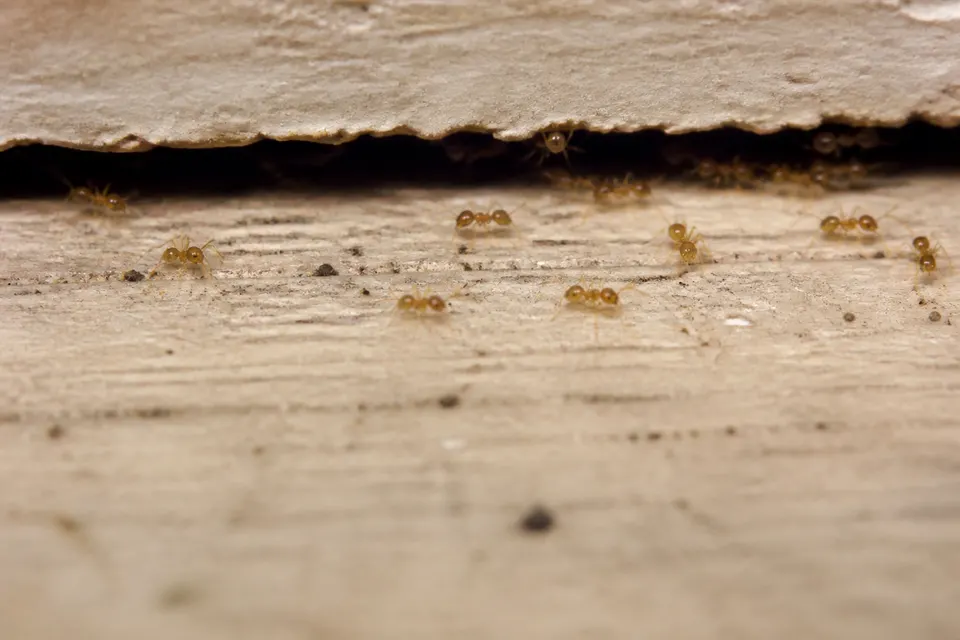
Thief ant
Solenopsis molesta
Thief ants are among the smallest household ants. They often want grease and protein more than a drop of…
Biting pests
Bed bugs, mosquitoes, ticks, fleas, lice, and kissing bugs. Open the Biting pests group.
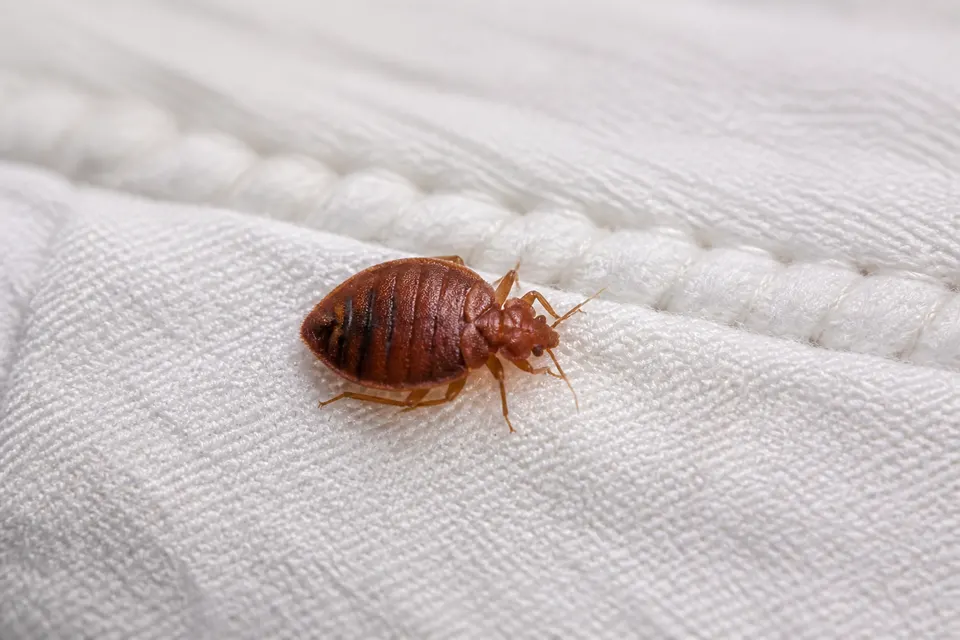
Bed bug
Cimex lectularius
Bed bugs are flat, rusty-red, and nocturnal. They hide in mattress seams, bed frames, and furniture within a…
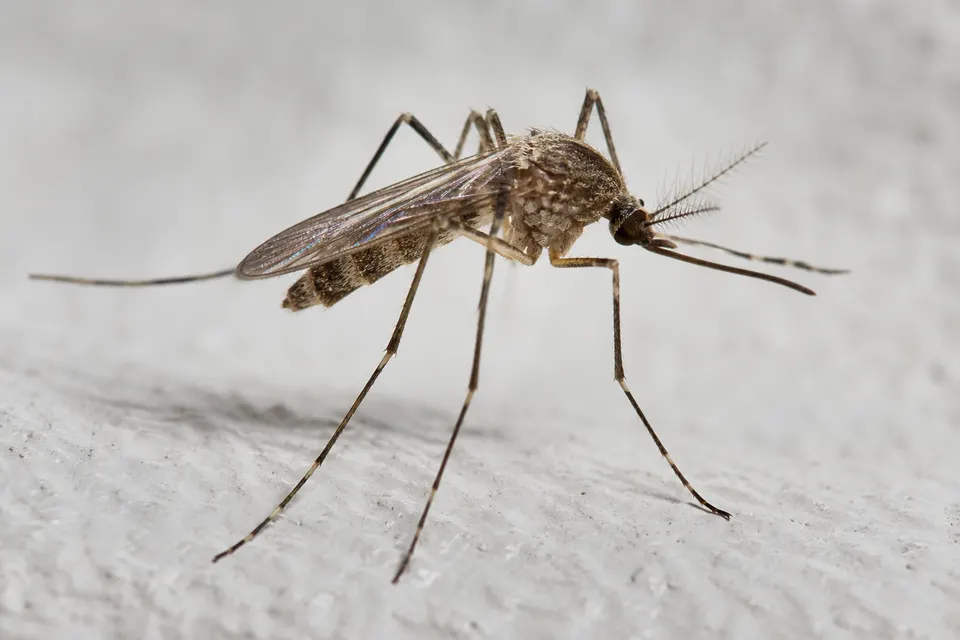
Mosquito
Culicidae (Aedes, Culex, Anopheles, and others)
Mosquitoes are the US insect most worth taking seriously as disease animals: West Nile virus (Culex), and in…
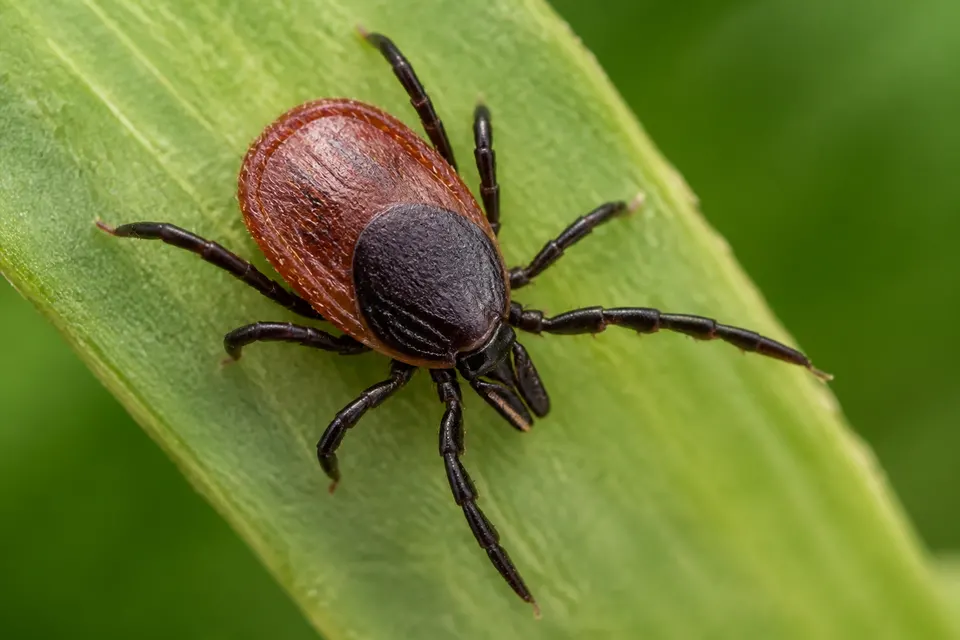
Blacklegged tick (deer tick)
Ixodes scapularis
Blacklegged ticks are the Lyme disease vector in the eastern and north-central United States, and they…
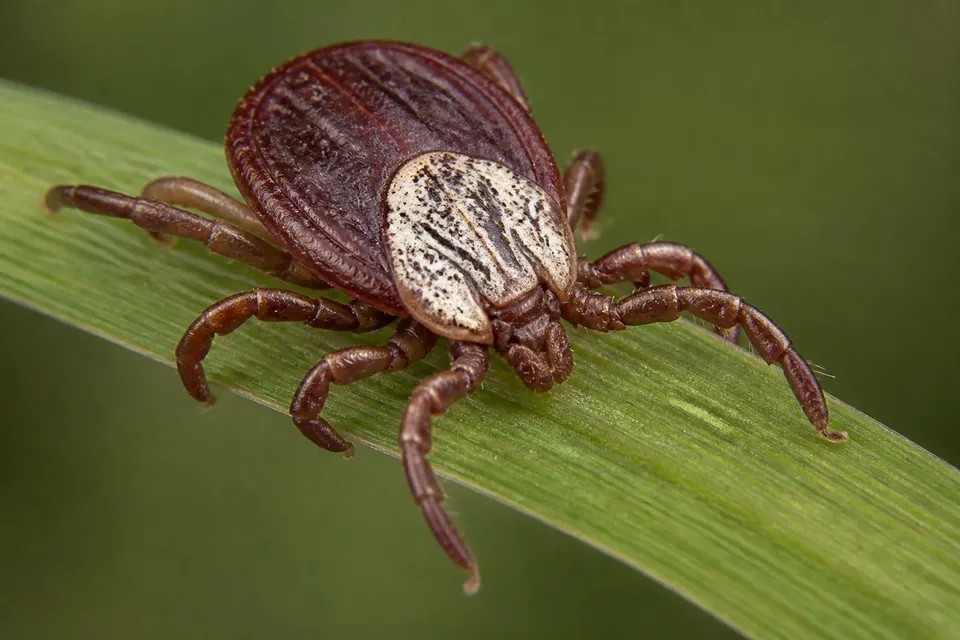
American dog tick
Dermacentor variabilis
American dog ticks are the ornate, larger ticks people pull off dogs after a hike in much of the eastern US…
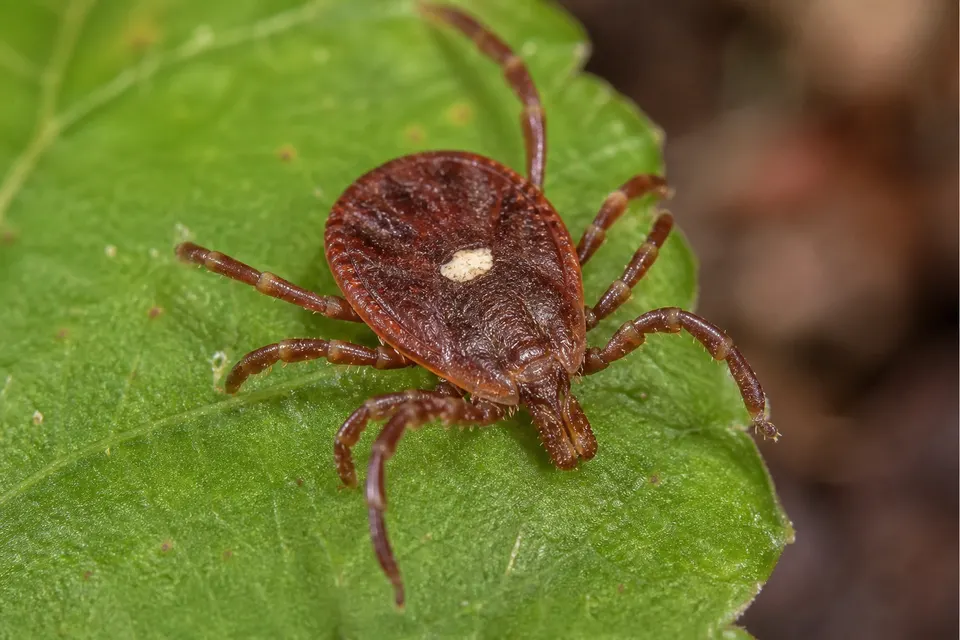
Lone star tick
Amblyomma americanum
Lone star ticks are aggressive. Females have a single white spot on the scutum. They have been associated…
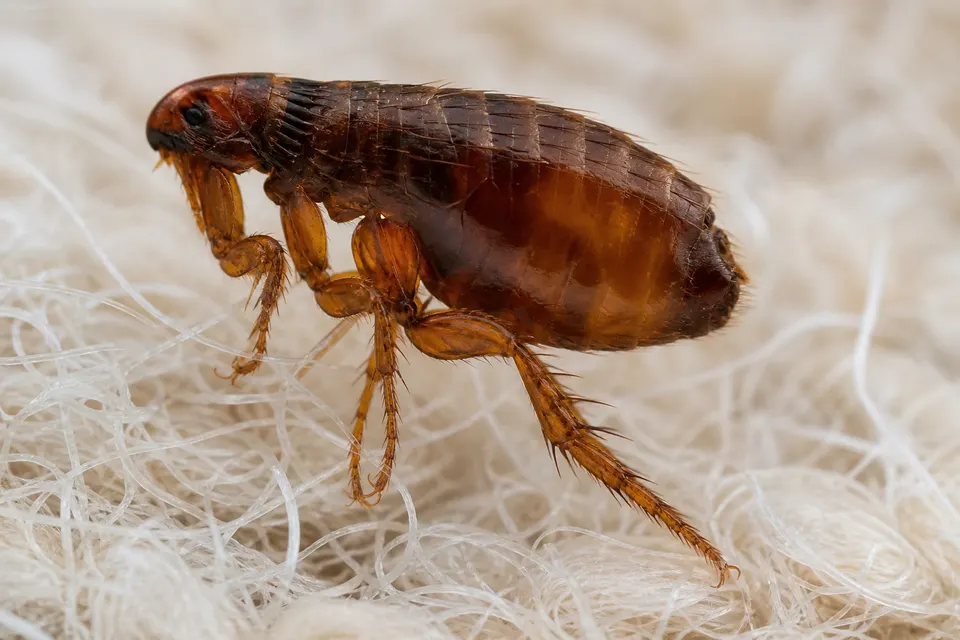
Cat flea
Ctenocephalides felis
If people are bitten around the ankles and the pet is scratching, think cat fleas — even on a dog. Adults…
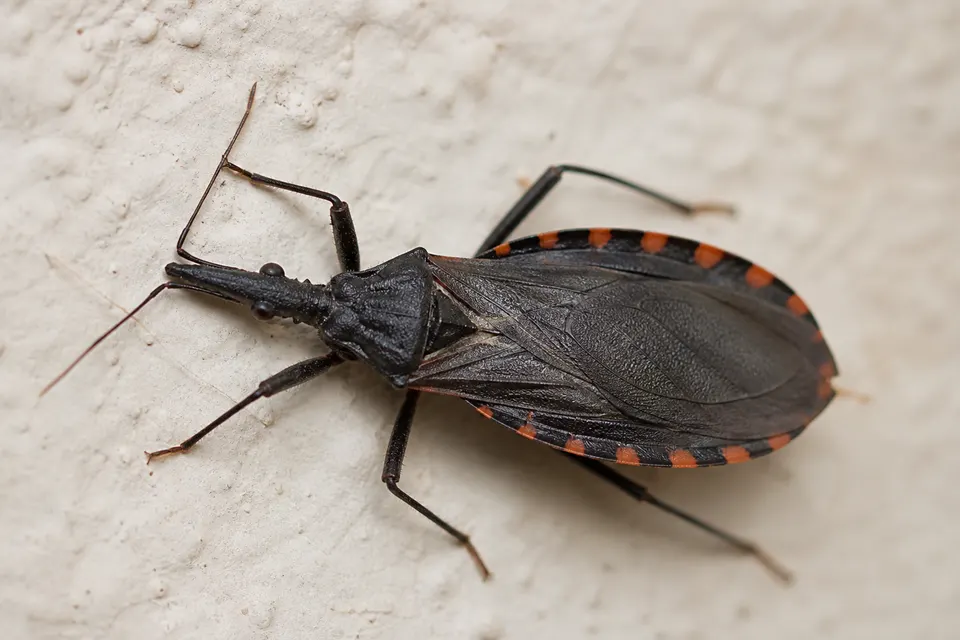
Kissing bug (triatomine)
Triatominae (Triatoma and related genera)
Kissing bugs are true bugs that feed on blood and can transmit Trypanosoma cruzi, the Chagas disease…
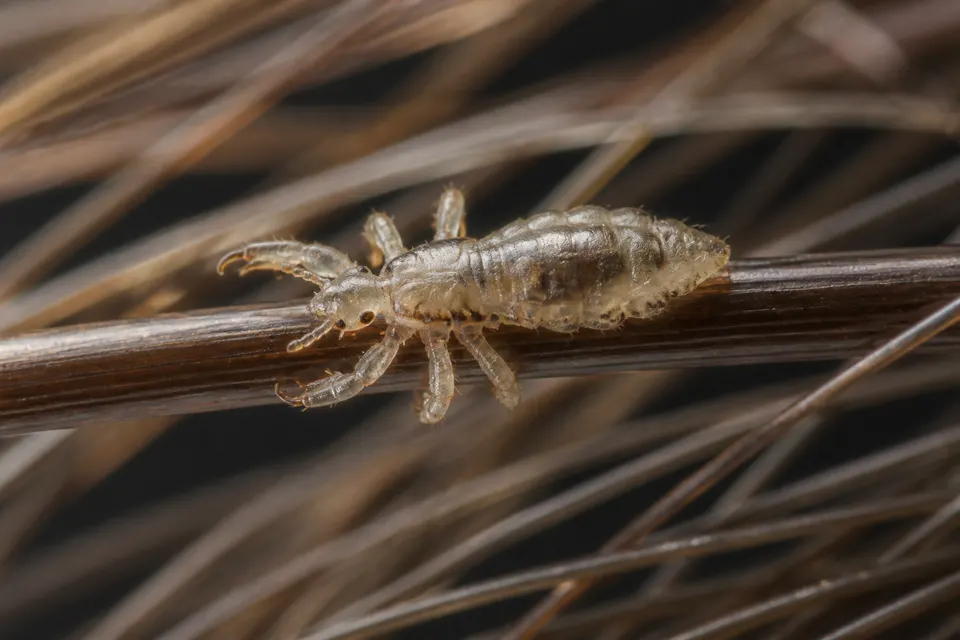
Head louse
Pediculus humanus capitis
Head lice live on human heads and glue nits to hair. CDC and AAP treat them as a nuisance, not a disease…
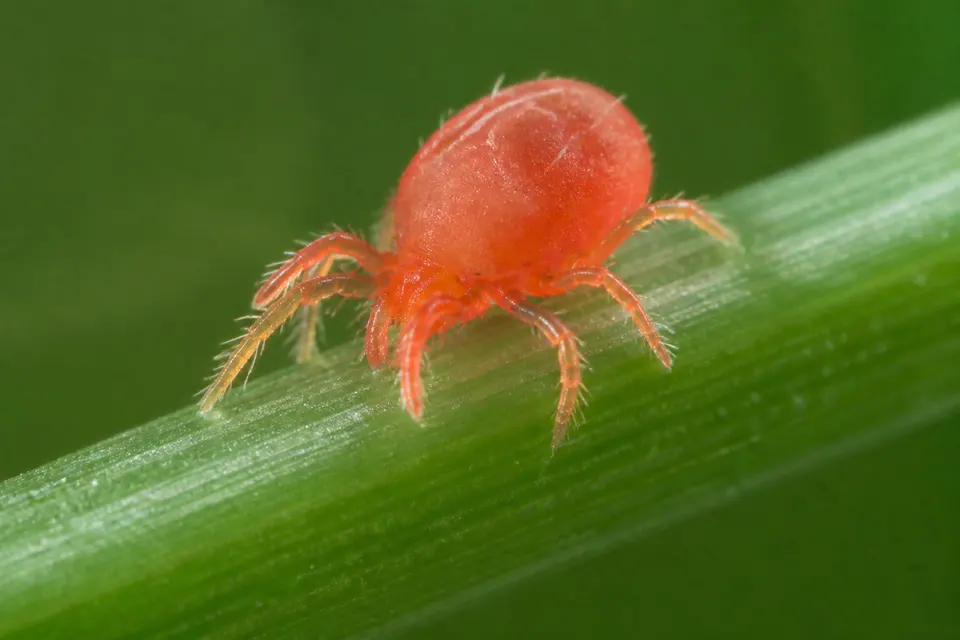
Chigger
Trombiculidae larvae
Chiggers are mite larvae that attach to skin, typically at sock lines and waistbands, and cause intense…
Wasps, hornets, and bees
Yellowjackets, paper wasps, hornets, carpenter bees, and defensive honey bee issues. Open the Wasps, hornets, and bees group.
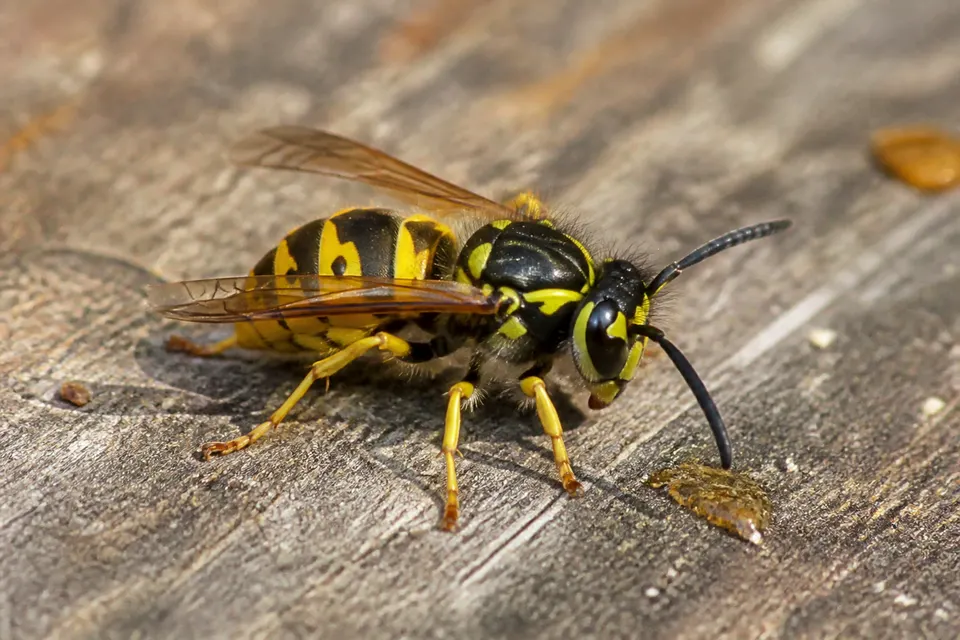
Yellowjacket
Vespula and Dolichovespula spp.
Yellowjackets scavenge meat and soda in late summer and will defend a ground or wall nest with enthusiasm. A…
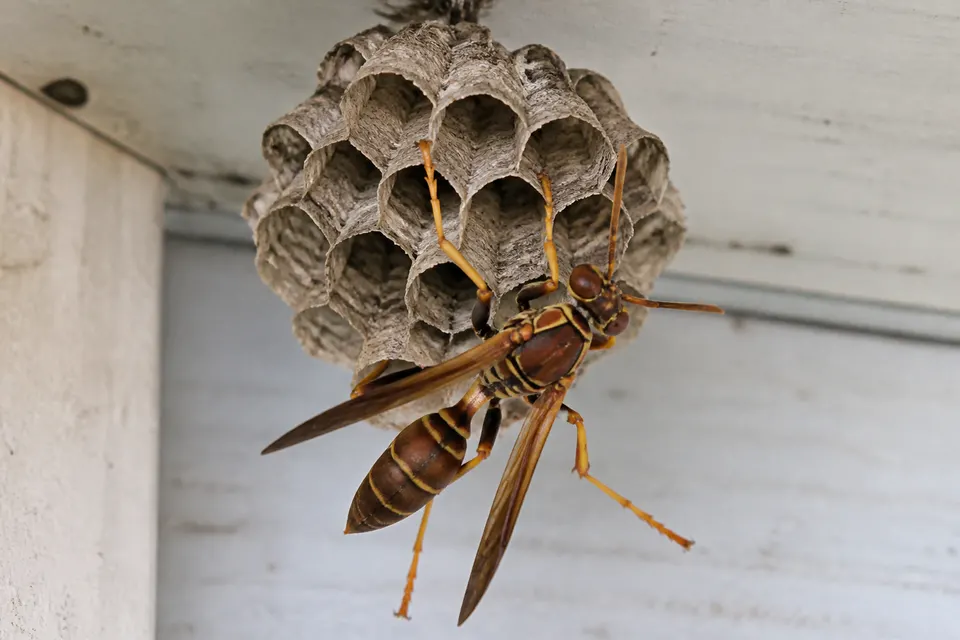
Paper wasp
Polistes spp.
Paper wasps build open umbrellas of comb, not enclosed footballs. They hunt caterpillars and are usually…
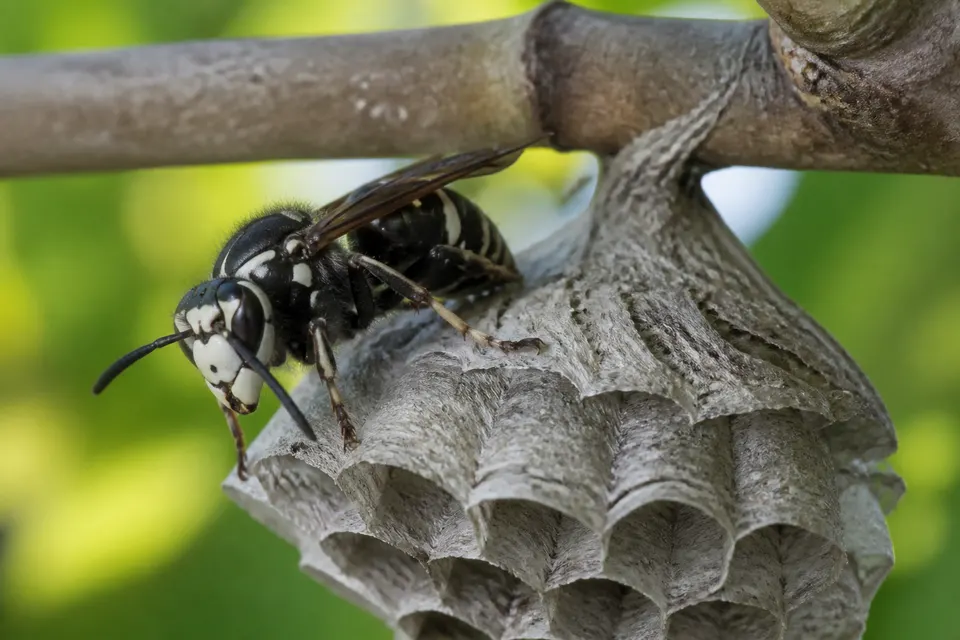
Bald-faced hornet
Dolichovespula maculata
Bald-faced hornets are aerial yellowjackets with white faces and a gray enclosed nest that can reach…
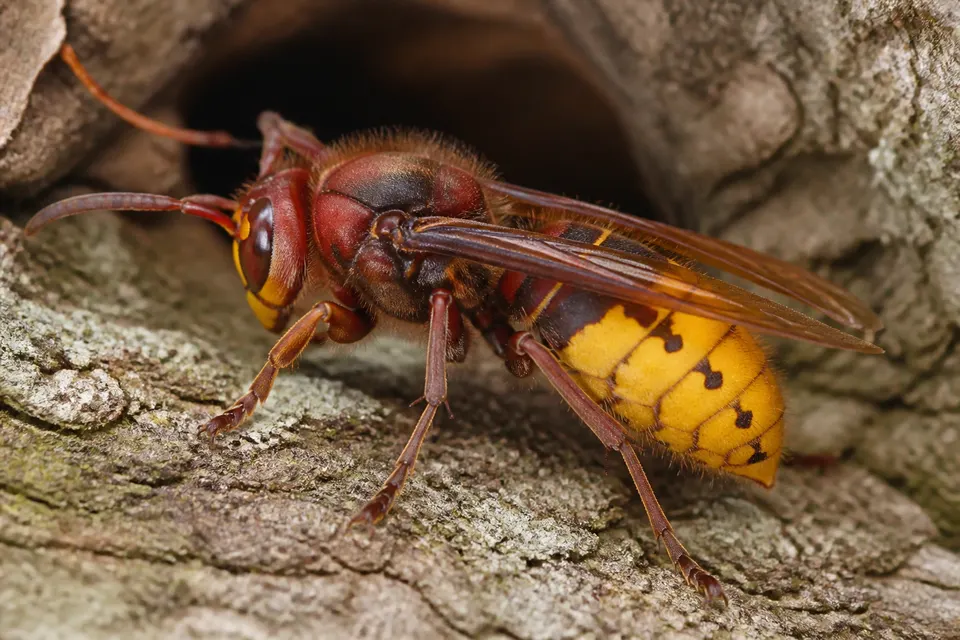
European hornet
Vespa crabro
European hornets are true Vespa — larger and browner than yellowjackets — nesting in cavities and sometimes…
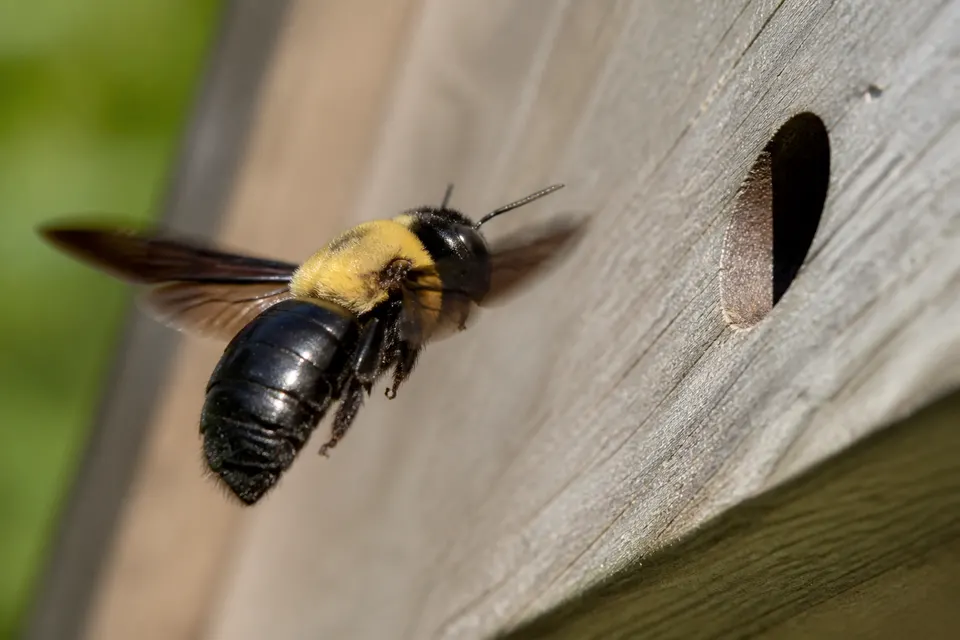
Carpenter bee
Xylocopa spp.
Carpenter bees drill neat half-inch round galleries in wood. Males hover and cannot sting; females rarely…
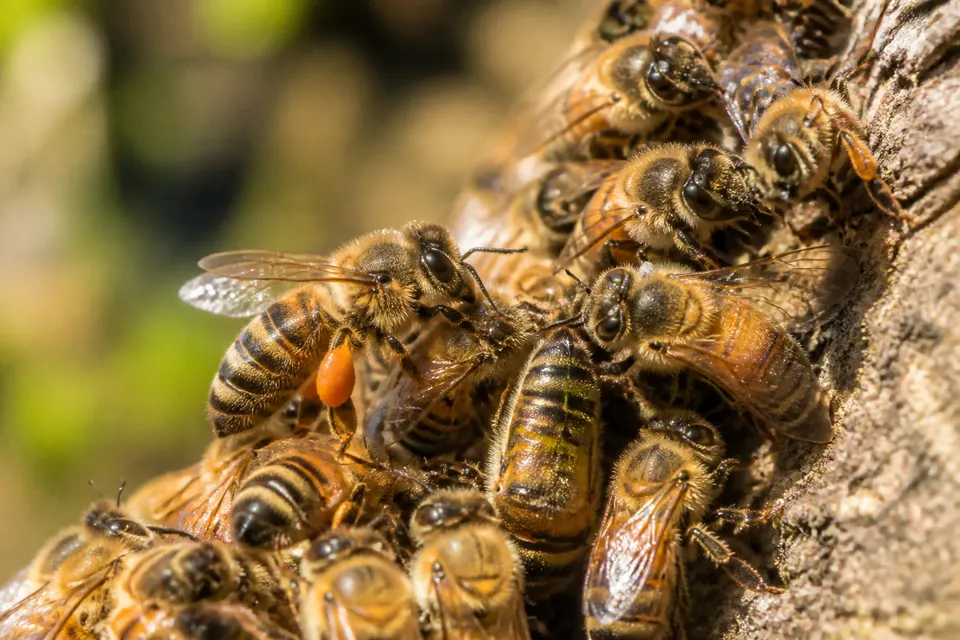
Honey bee (swarms and structure occupancy)
Apis mellifera
Honey bees are agricultural animals. A swarm on a branch is usually temporary — call a beekeeper first. A…
Flies and gnats
House flies, fruit flies, drain flies, cluster flies, fungus gnats, and dump-associated flies. Open the Flies and gnats group.
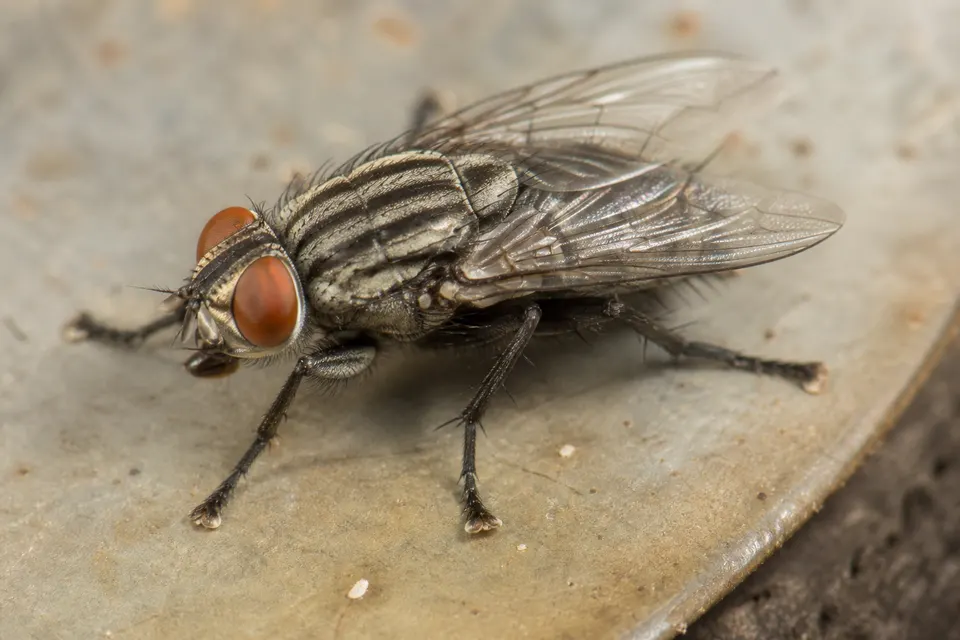
House fly
Musca domestica
House flies breed in decaying organic matter, not in mid-air. The adult on the screen is advertising a…
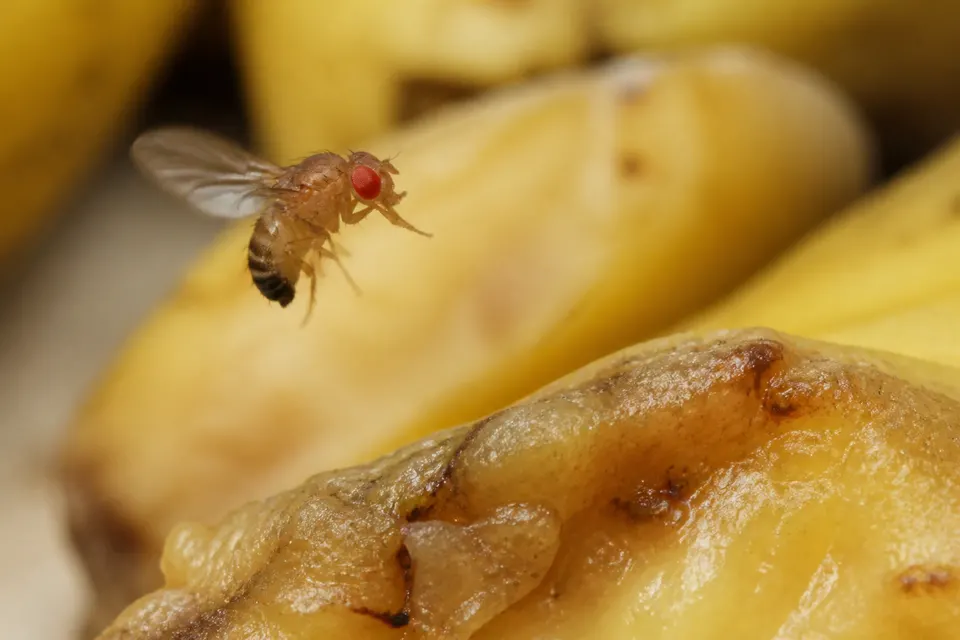
Fruit fly
Drosophila spp.
Fruit flies are tiny tan flies with red eyes (often) that breed in fermenting film: a potato in a crisper, a…
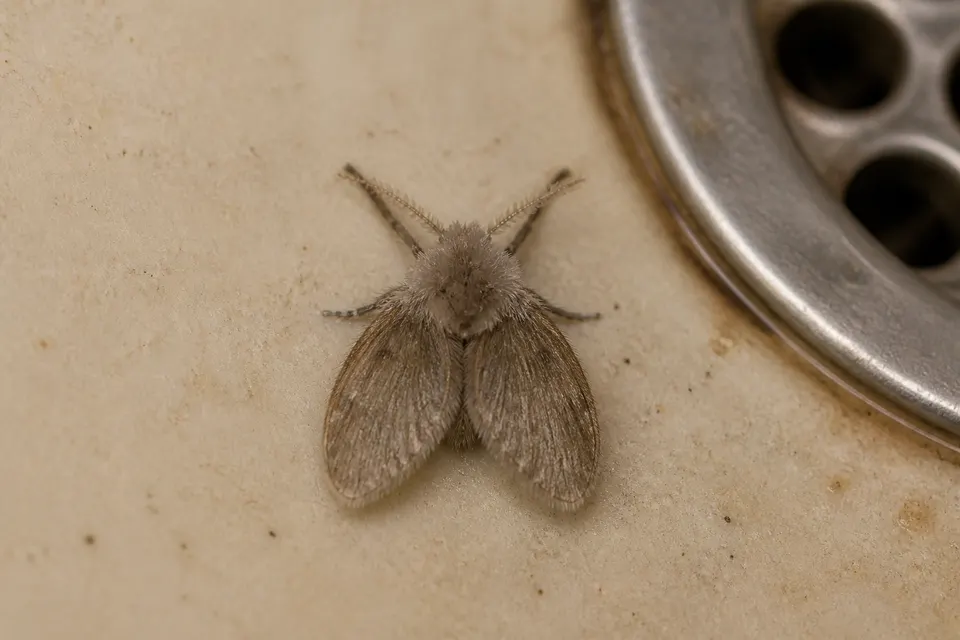
Drain fly
Psychodidae
Drain flies are fuzzy, moth-like, weak fliers that rest on bathroom walls. They breed in the gelatinous film…
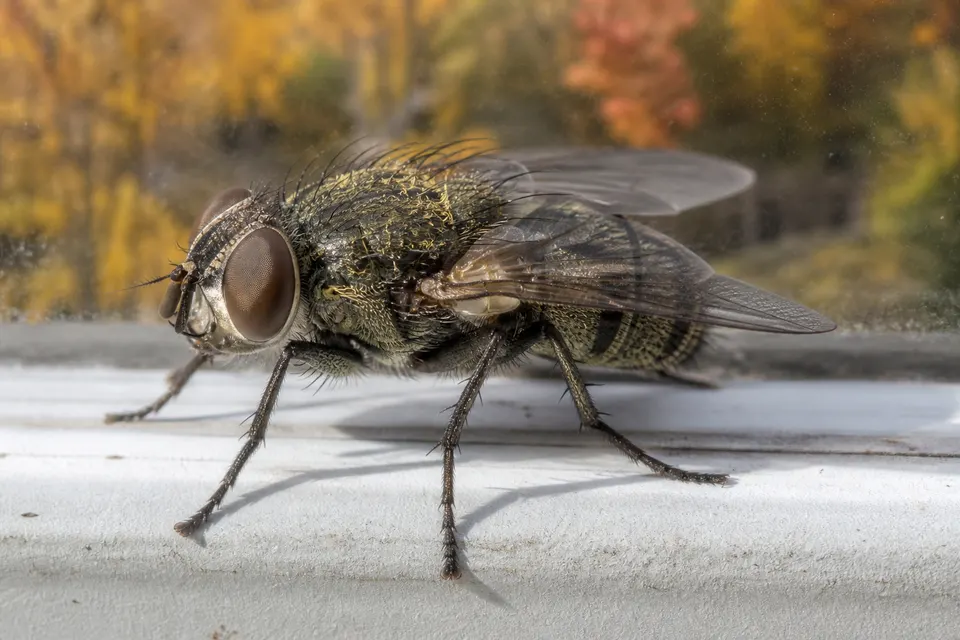
Cluster fly
Pollenia spp.
Cluster flies lumber into attics on warm fall days and cluster in windows in winter. They develop as…
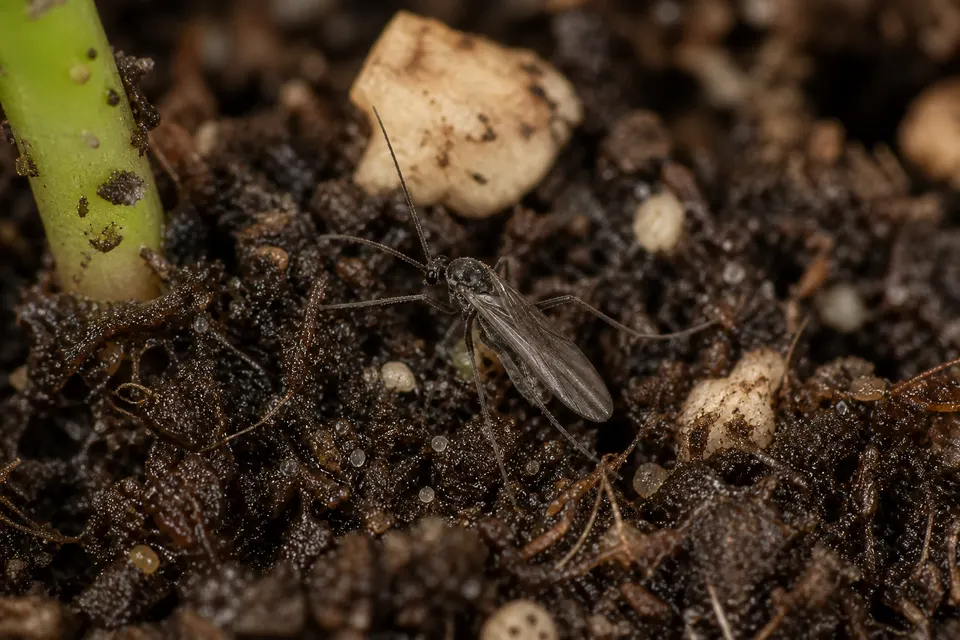
Fungus gnat
Sciaridae / Mycetophilidae (sciarid types in pots)
Sciarid fungus gnats are weak fliers around pots, not a cloud over a fruit bowl. Larvae live in the top inch…
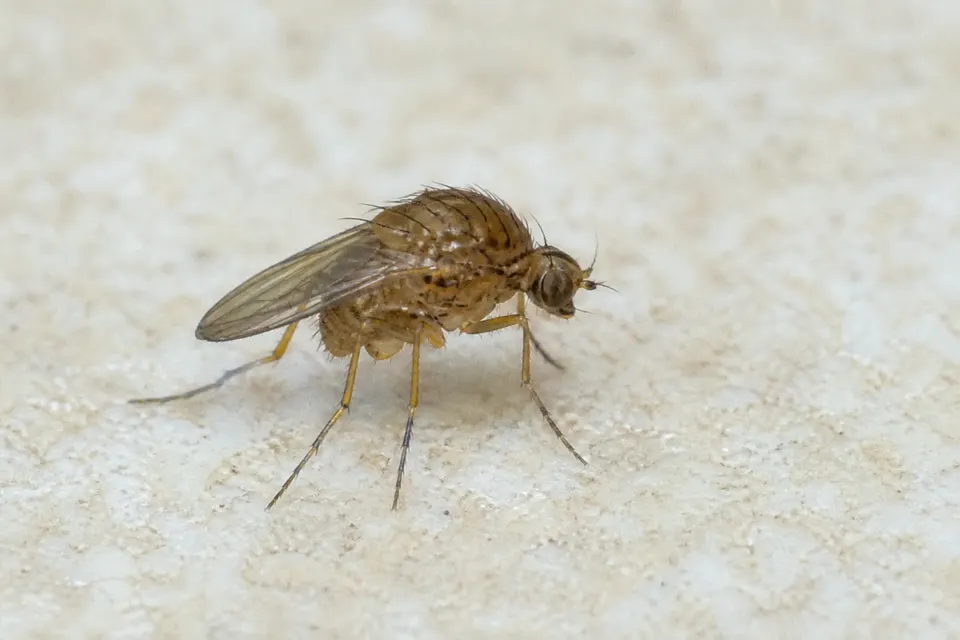
Phorid fly
Phoridae
Phorid flies run erratically across surfaces with a humped thorax. When they persist after you cleaned the…
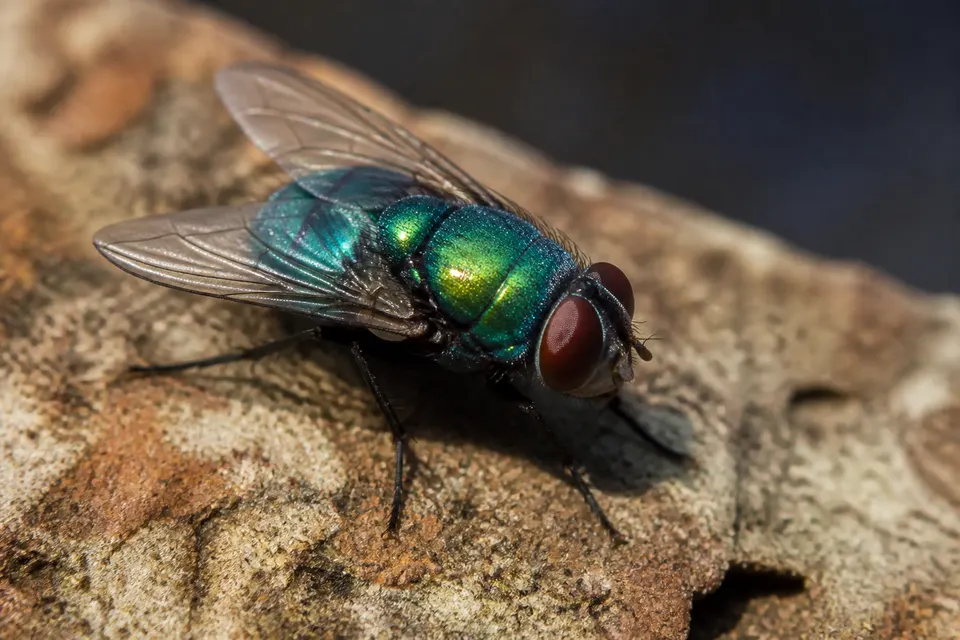
Blow fly
Calliphoridae
Blow flies are the metallic green or blue flies that find a dead animal fast. A sudden indoor hatch often…
Pantry and fabric pests
Indian meal moths, weevils, beetles, clothes moths, and carpet beetles. Open the Pantry and fabric pests group.
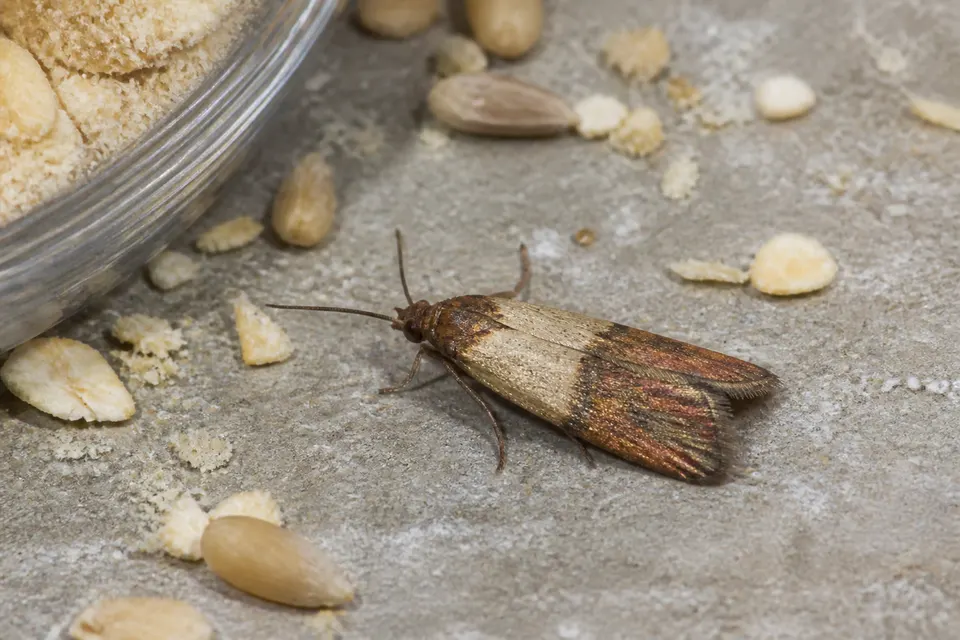
Indian meal moth
Plodia interpunctella
Indian meal moths are the small moths on kitchen ceilings whose larvae silk together cereal, chocolate…
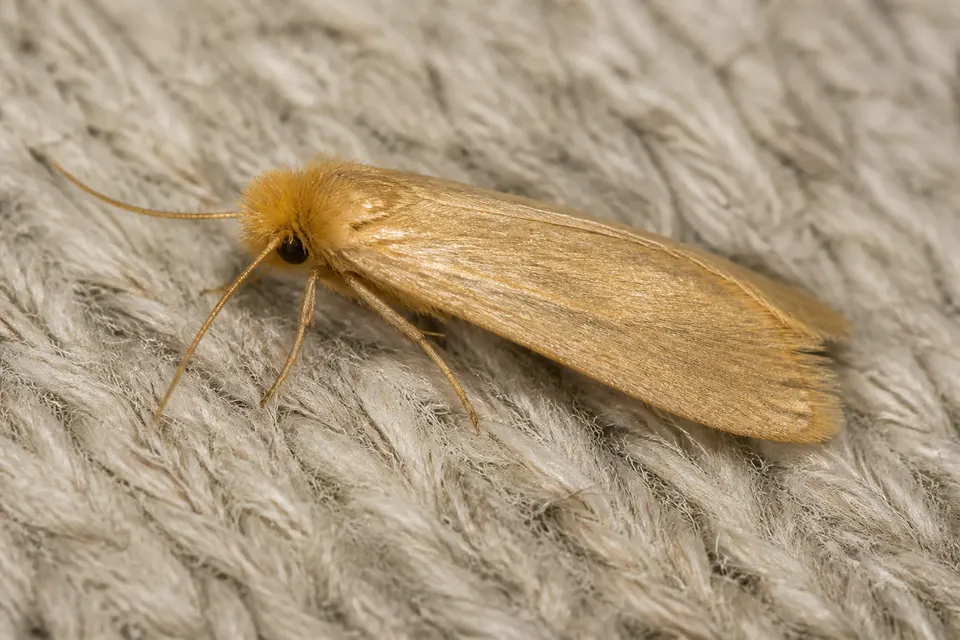
Clothes moth
Tineola bisselliella and Tinea pellionella
Clothes moths eat keratin: wool, felt, feathers, and soiled natural fibers. They avoid light. The adult moth…
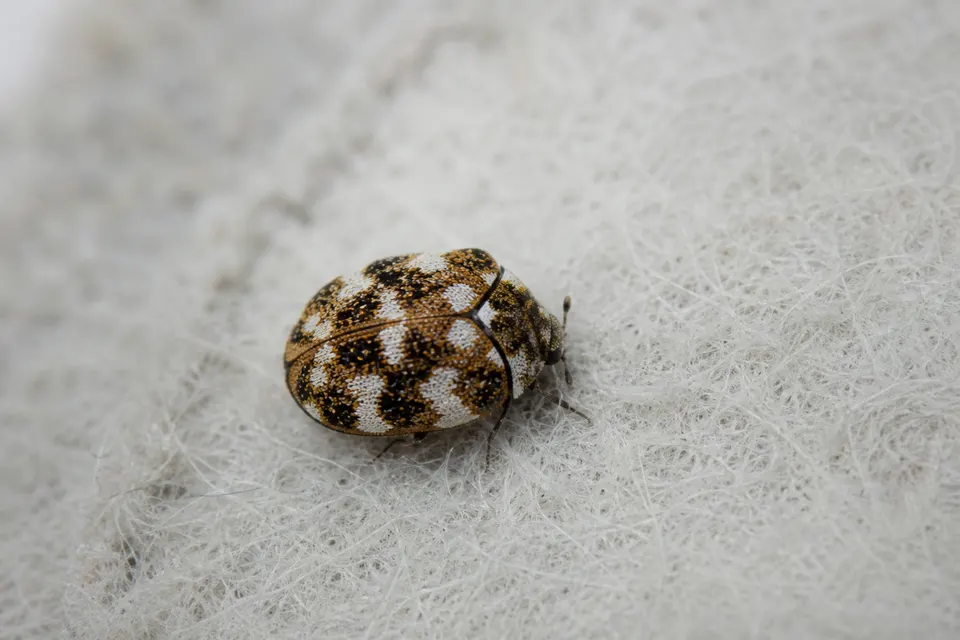
Carpet beetle
Anthrenus and Attagenus spp.
Carpet beetle larvae are hairy and eat animal fibers, shed hair, dead insects, and pollen tracked indoors…
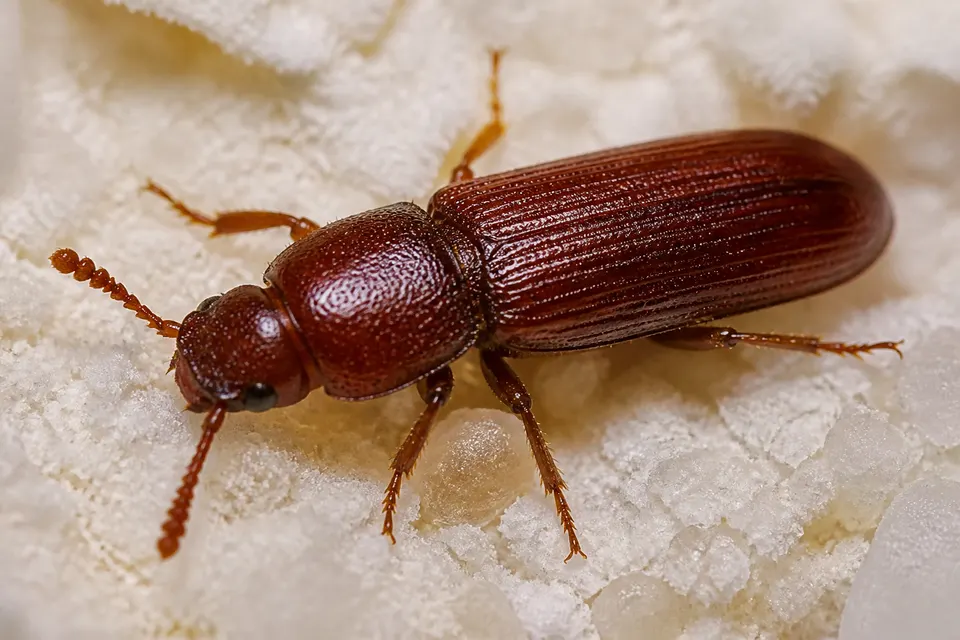
Flour beetle
Tribolium spp.
Flour beetles are small reddish beetles that infest already-milled products. They do not typically punch…
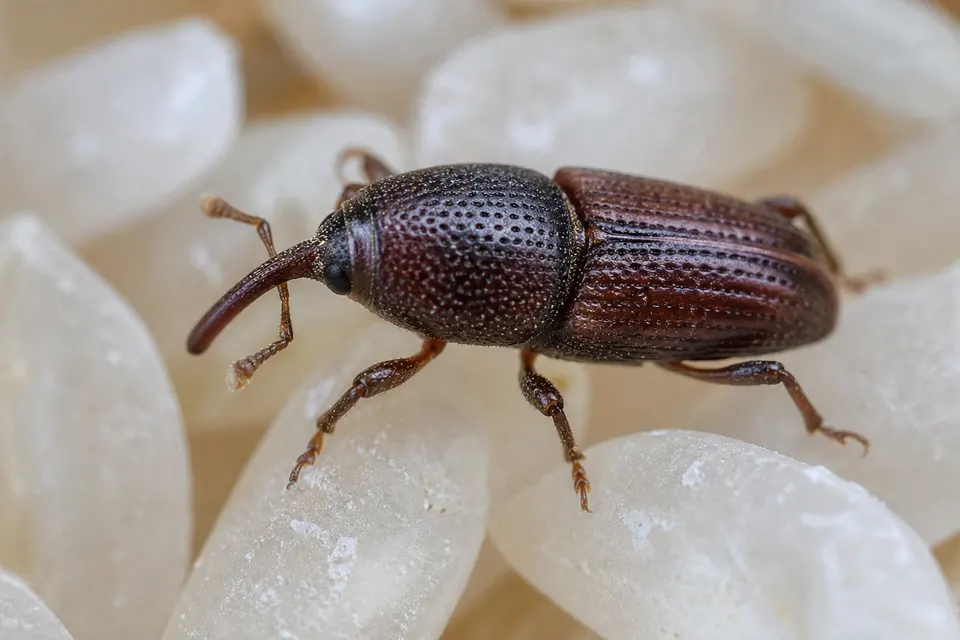
Rice weevil
Sitophilus oryzae
Rice weevils have snouts and develop inside whole kernels. You may see holes in rice and adults walking from…
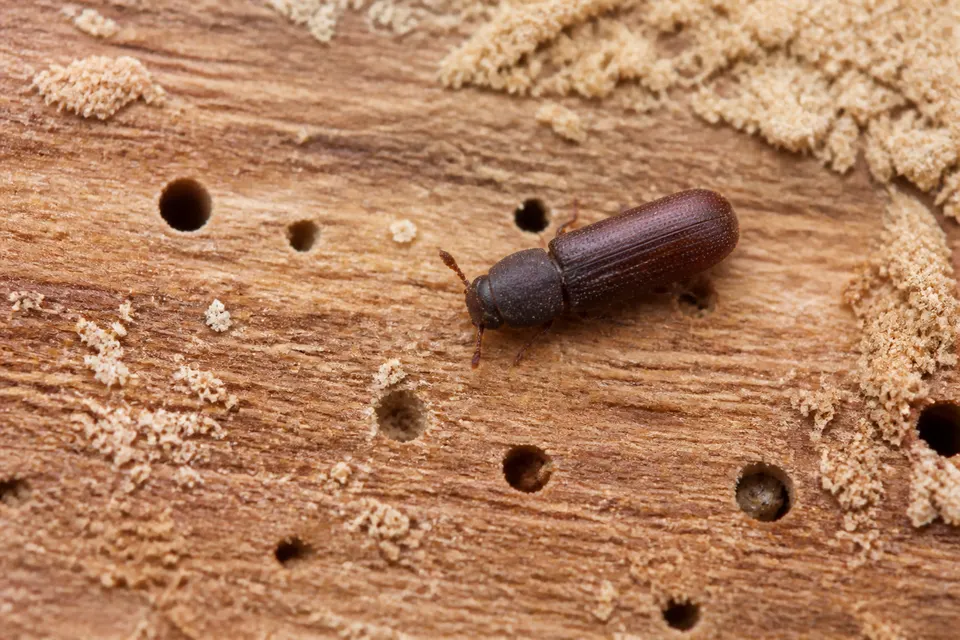
Powderpost beetle
Lyctinae and Anobiinae (and related woodborers)
Powderpost beetles leave tiny shot-holes and fine flour-like frass in sapwood, especially unfinished…
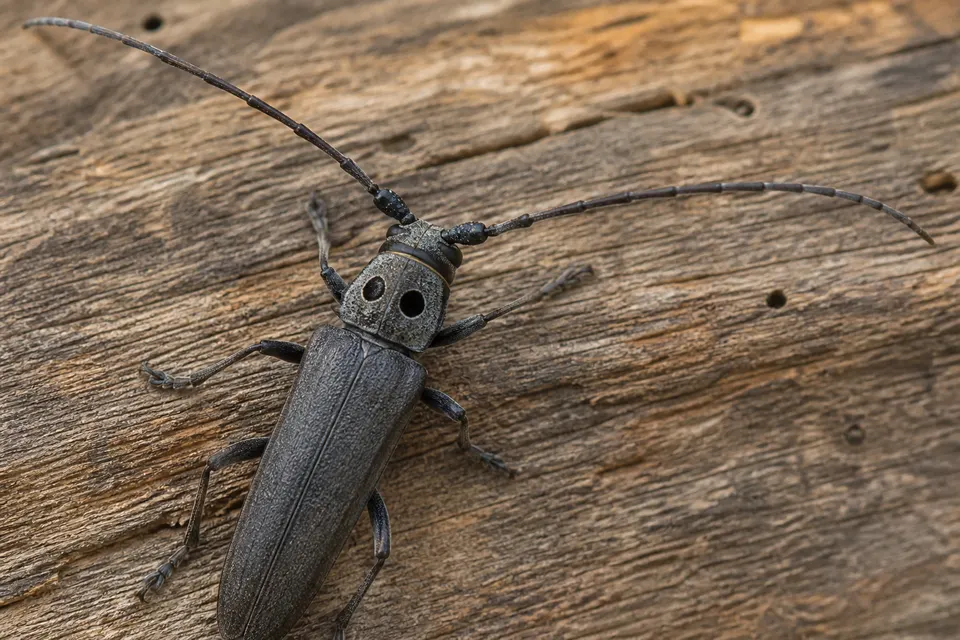
Old house borer
Hylotrupes bajulus
Old house borers are longhorned beetles whose larvae tunnel in softwood (pine, fir) framing. The name…
Household invaders
Silverfish, crickets, earwigs, millipedes, stink bugs, and other indoor wanderers. Open the Household invaders group.
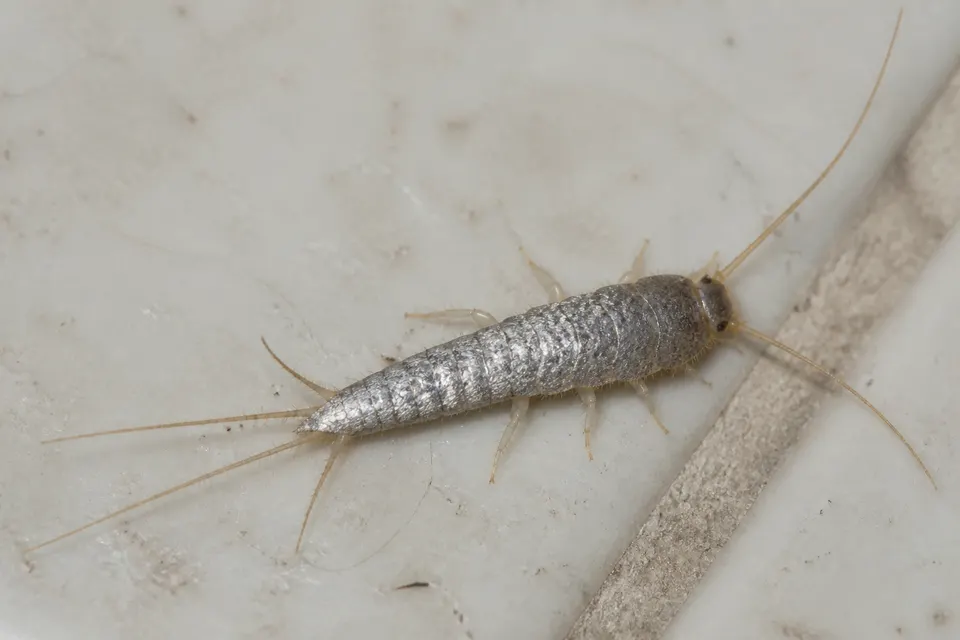
Silverfish
Lepisma saccharinum
Silverfish are wingless, silvery, carrot-shaped insects that eat starches: paper, glue, book bindings, and…
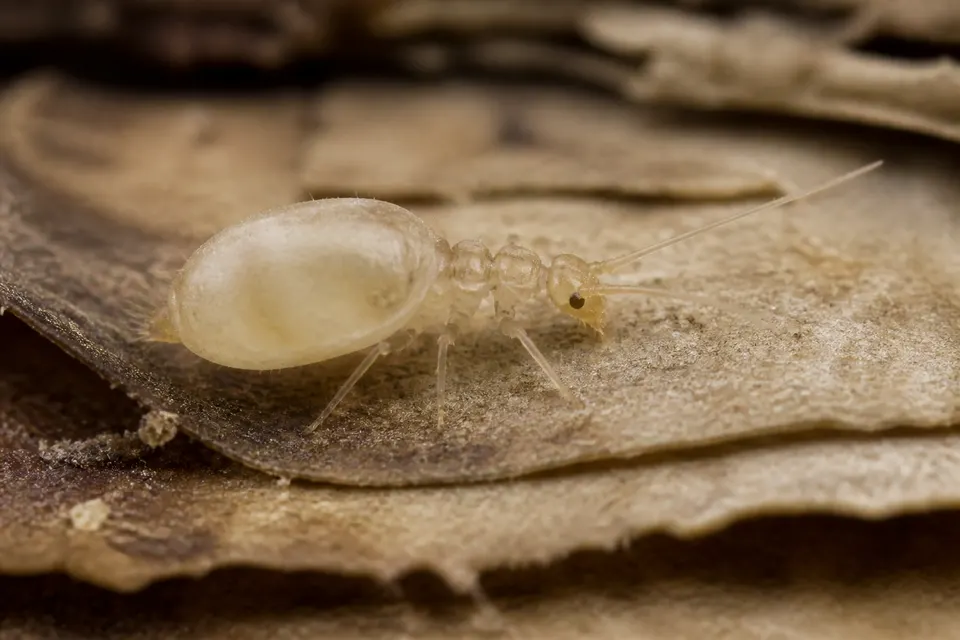
Booklouse
Psocoptera (Liposcelis and others)
Booklice are tiny, pale, and appear in explosions on damp drywall, stored paper, and sometimes infested…
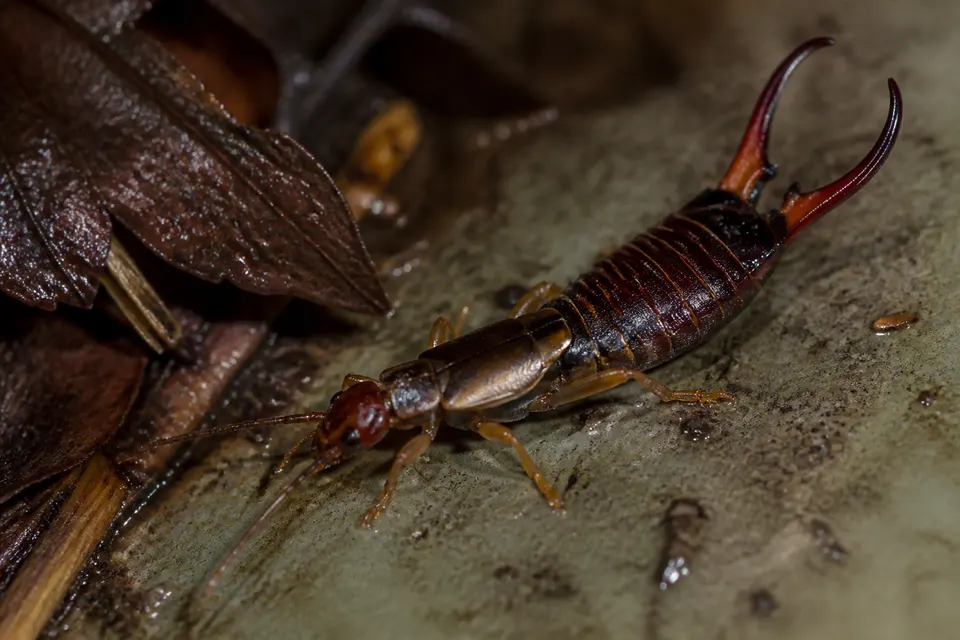
Earwig
Forficula auricularia and others
Earwigs have pincers and a folklore problem. They do not seek ears as a lifestyle. They are nocturnal…
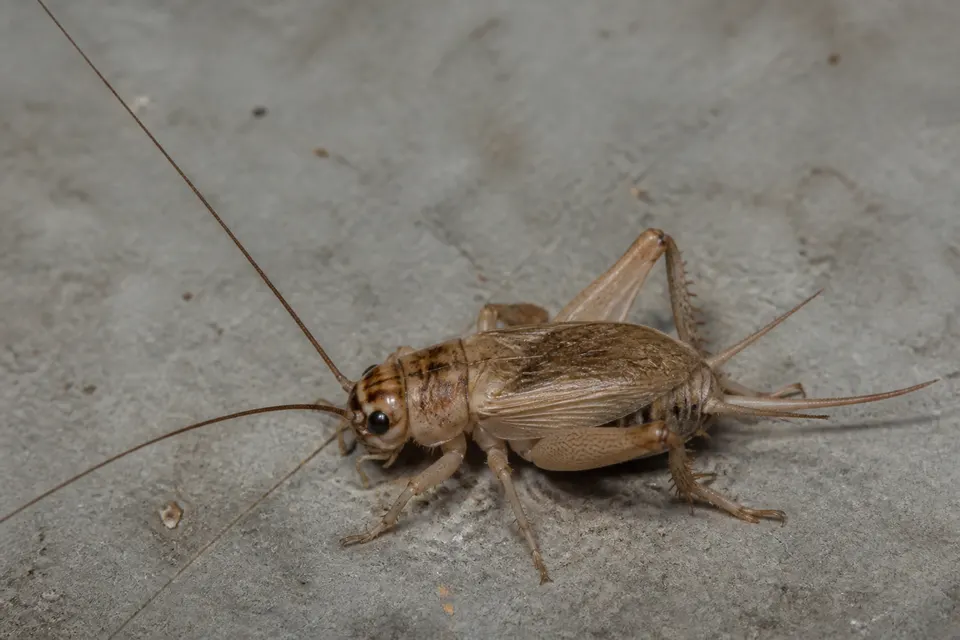
House cricket
Acheta domesticus
House crickets chirp, eat fabrics and paper occasionally, and thrive around dumpsters and warm basements…
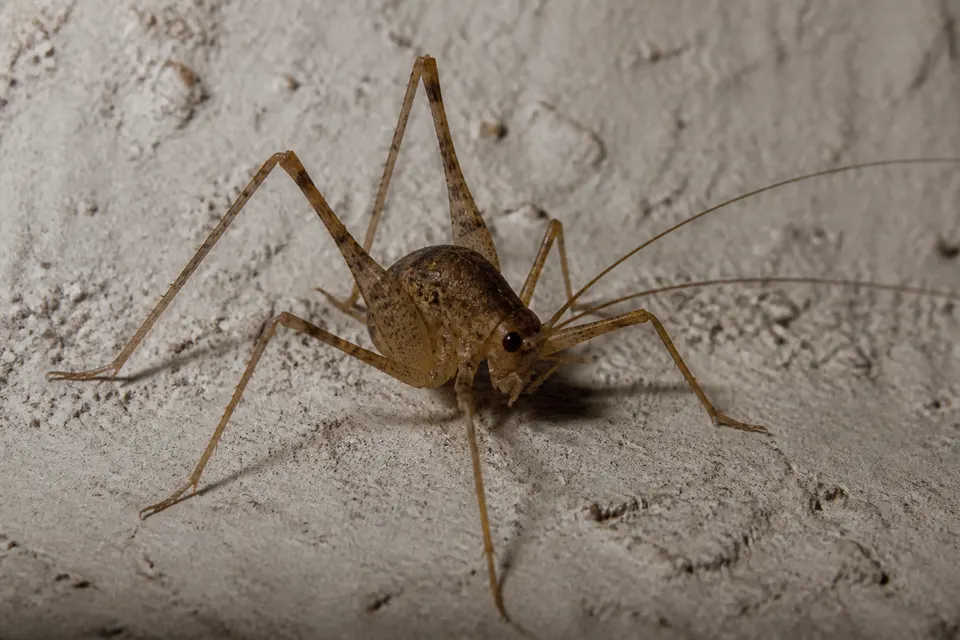
Camel cricket
Rhaphidophoridae
Camel crickets are humpbacked, long-legged, and silent. They explode from a crawlspace when you open the…
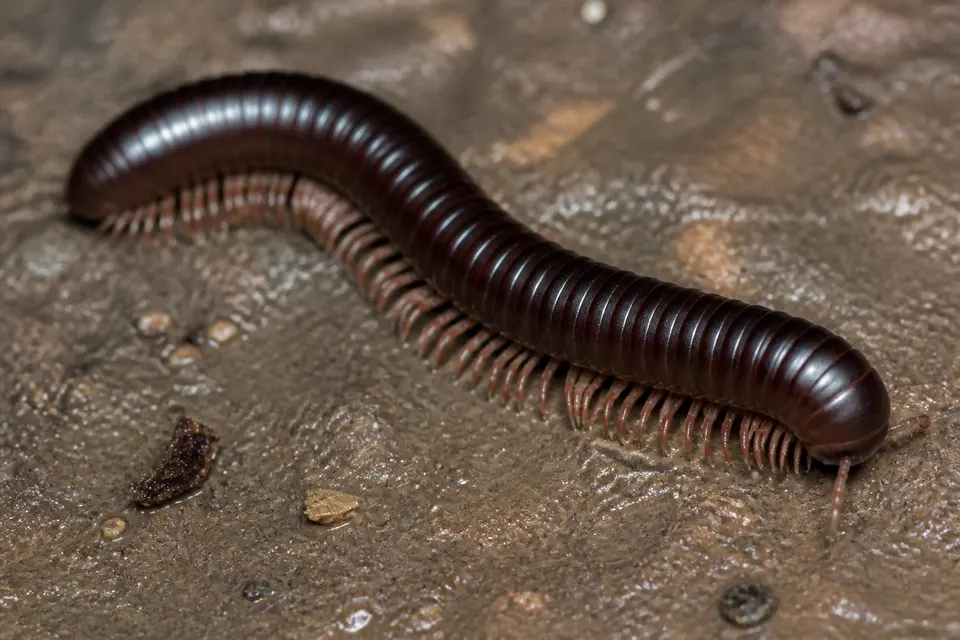
Millipede
Diplopoda
Millipedes are rounded, many-legged detritivores. They invade after heavy rain or irrigation, then die on…
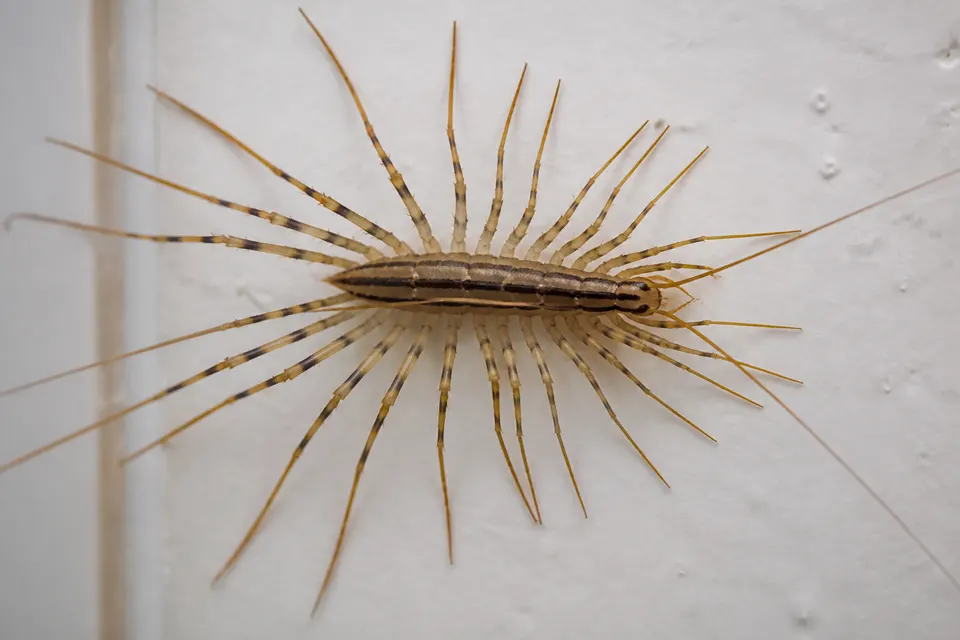
House centipede
Scutigera coleoptrata
Scutigera coleoptrata is the long-legged indoor hunter that runs on bathroom tile at night. It can pinch if…
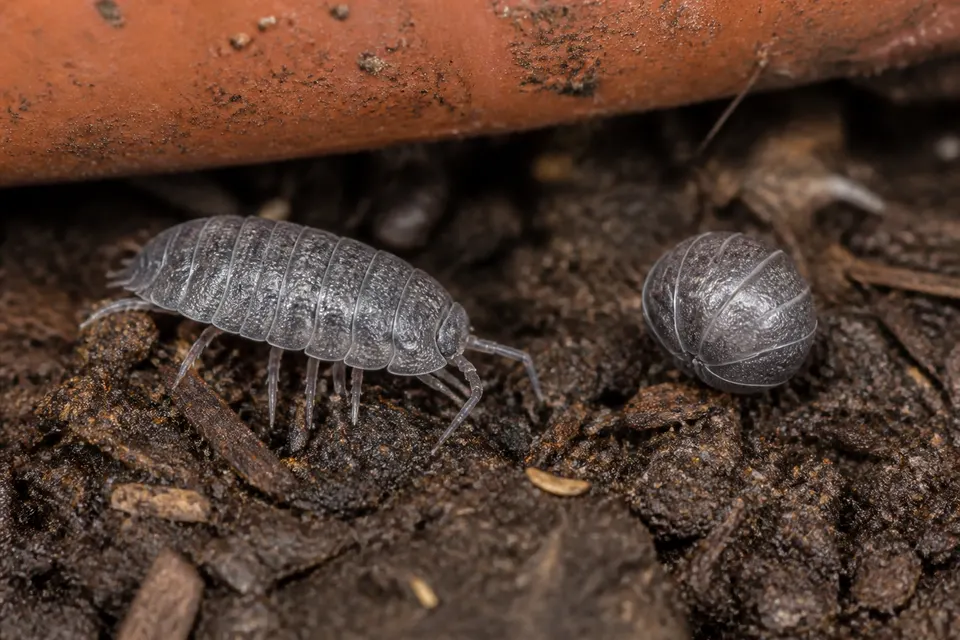
Sowbug and pillbug
Oniscidea
Sowbugs and pillbugs are isopods. Pillbugs roll; sowbugs generally cannot. They eat decaying plant matter…
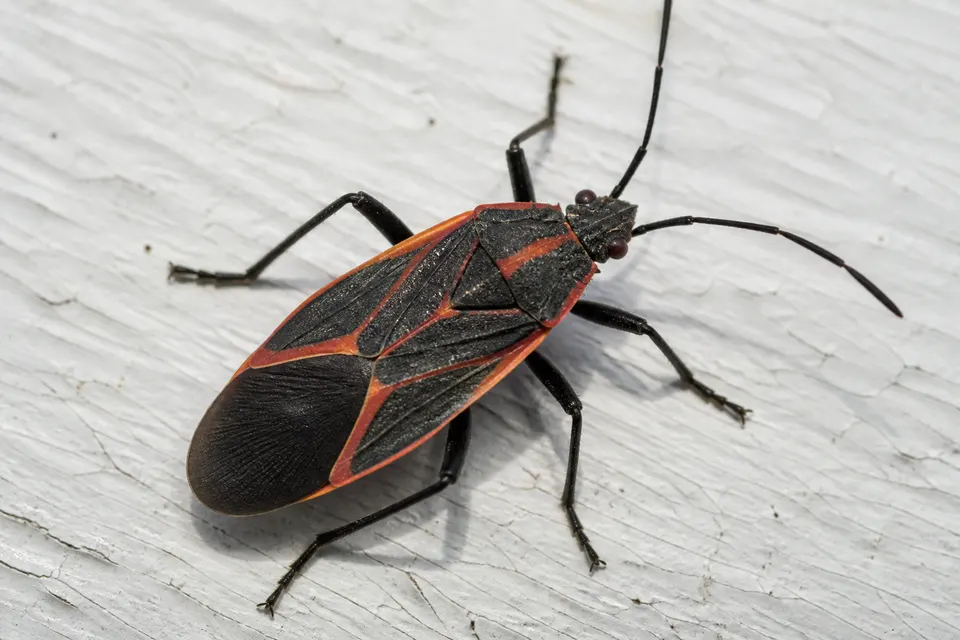
Boxelder bug
Boisea trivittata
Boxelder bugs are black and red true bugs that sun on south walls in fall and slip into attics. They do not…
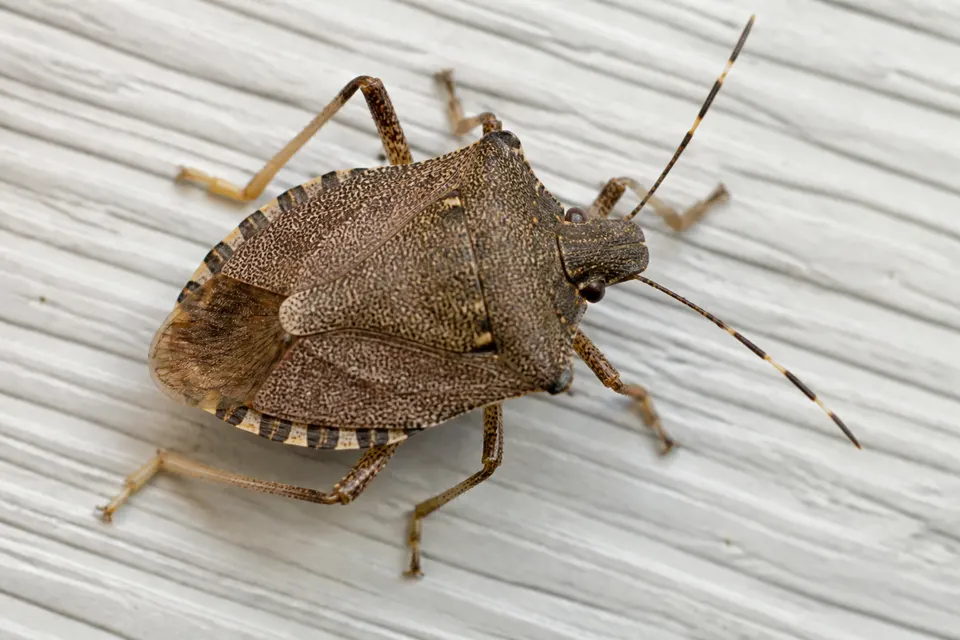
Brown marmorated stink bug
Halyomorpha halys
Brown marmorated stink bugs are invasive shield bugs that wreck some fruit crops and pour into siding gaps…
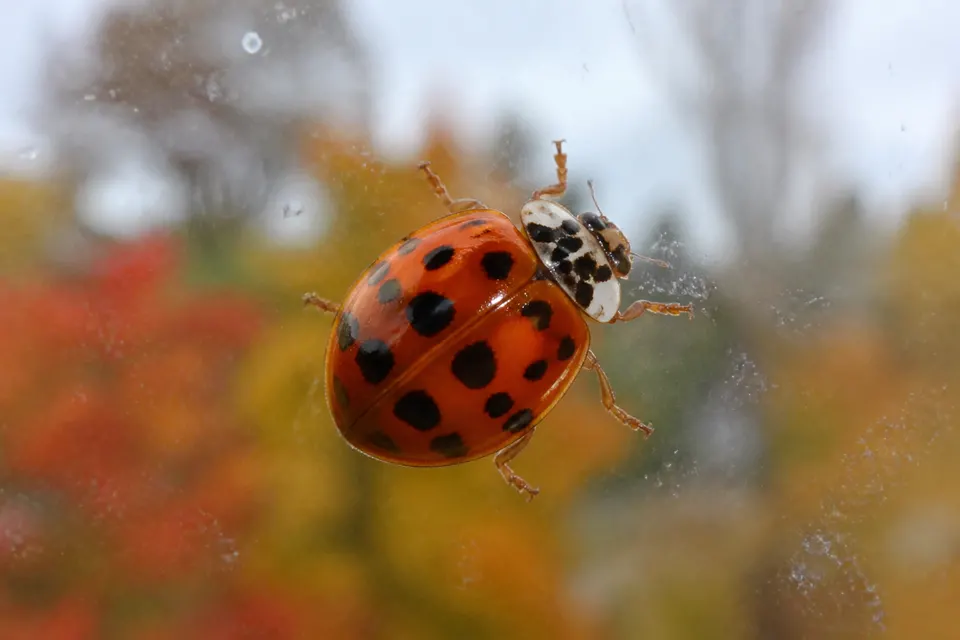
Asian lady beetle
Harmonia axyridis
Harmonia lady beetles were promoted for aphid control and then became a fall invader that stains, smells…
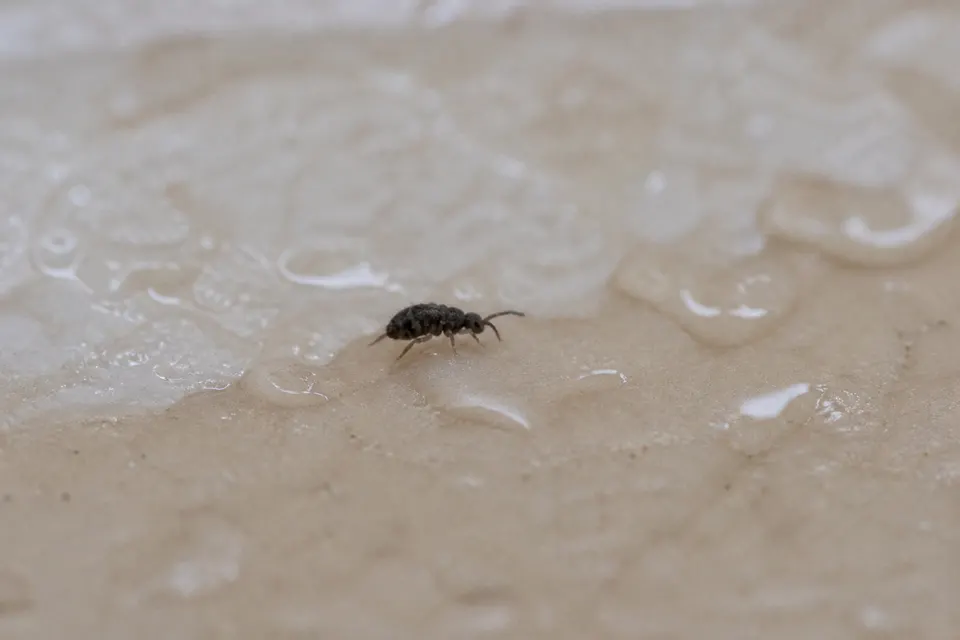
Springtail
Collembola
Springtails are tiny hexapods that hop on wet surfaces. Indoor showers of them mean a leak, a wet basement…
Spiders, scorpions, and mites
Widows, recluses, house spiders, bark scorpions, dust mites, and chiggers. Open the Spiders, scorpions, and mites group.
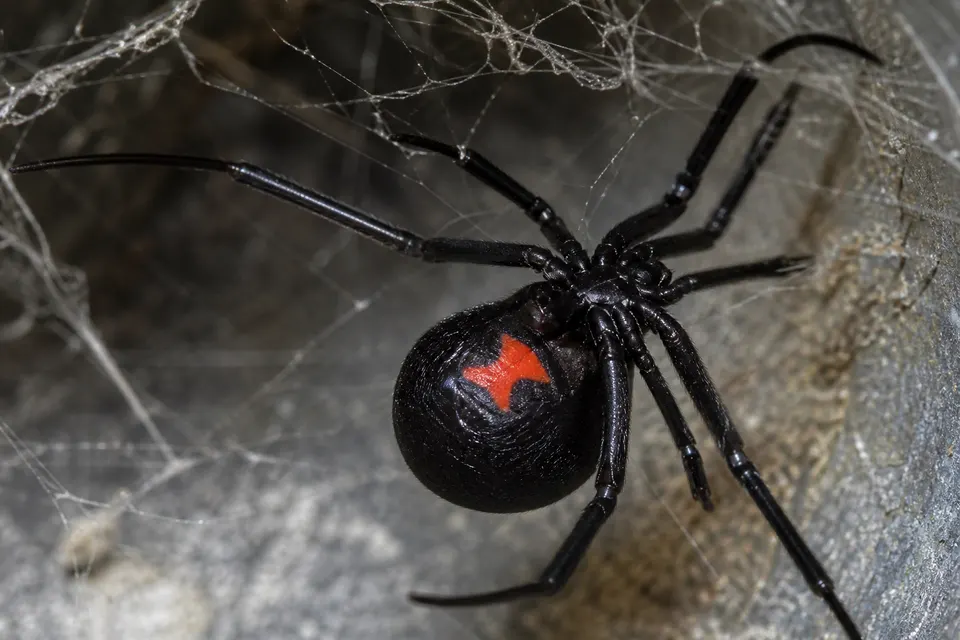
Black widow
Latrodectus spp.
Widow spiders are the medically important cobweb spiders of US clutter: woodpiles, meter boxes, playgrounds…
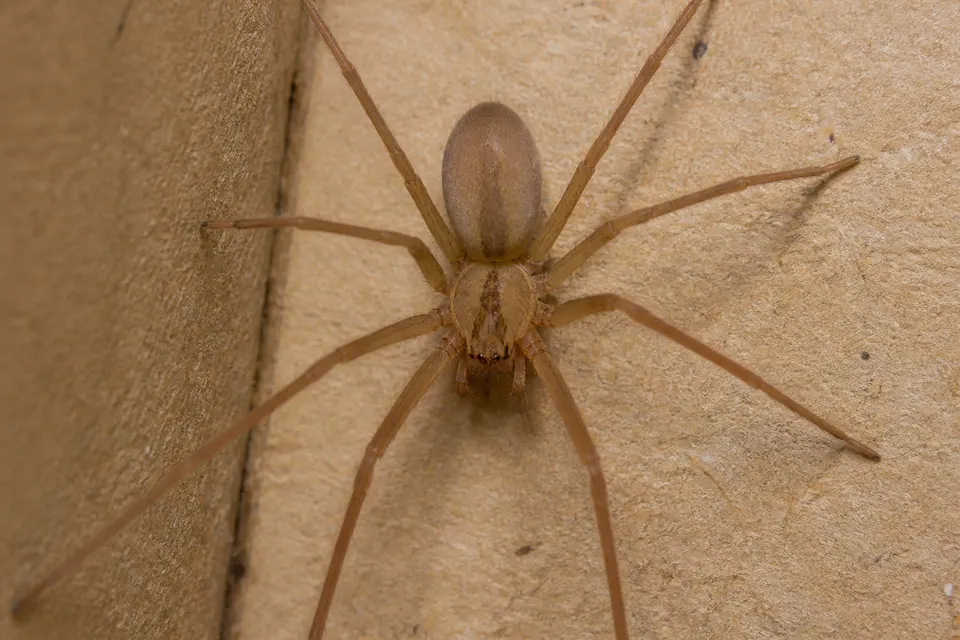
Brown recluse
Loxosceles reclusa
Brown recluses are violin-marked, six-eyed (in three pairs) spiders of the south-central United States. The…
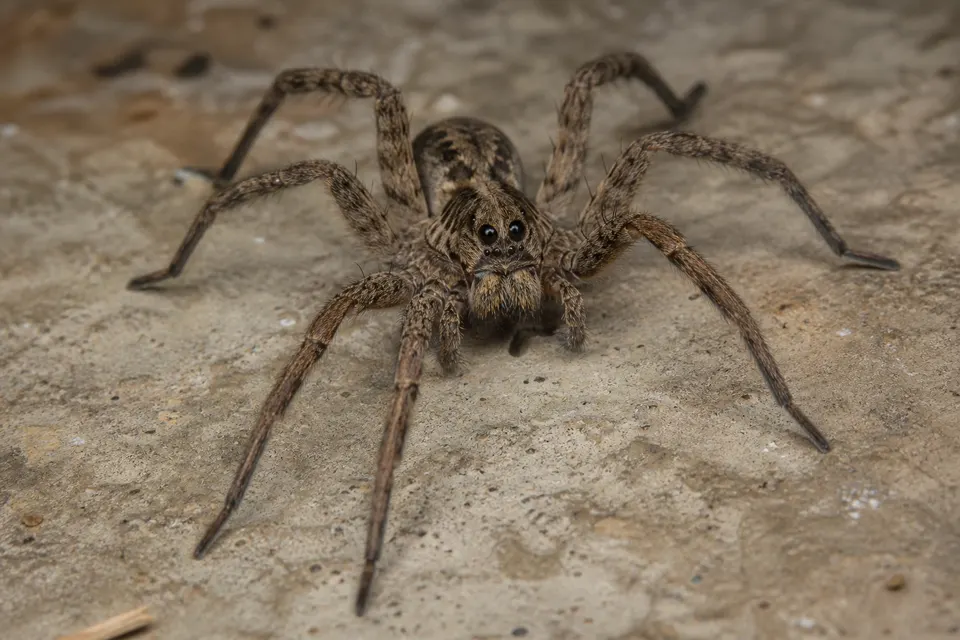
Wolf spider
Lycosidae
Wolf spiders are the large, hairy, fast hunters people call tarantulas (they are not) or recluses (they are…
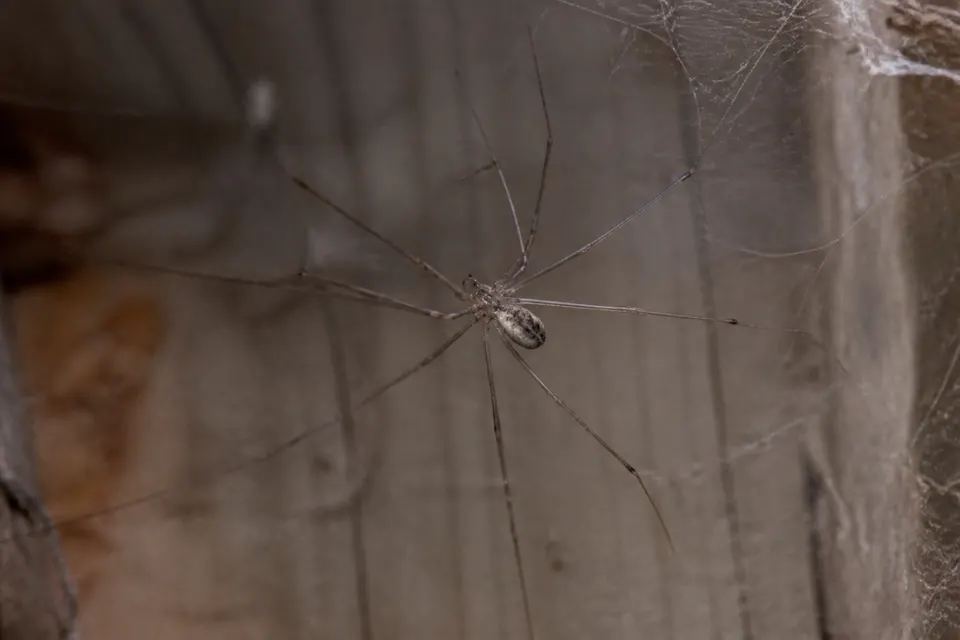
Cellar spider
Pholcidae
They sit in messy corner webs and bounce when disturbed. They eat other arthropods, including sometimes more…
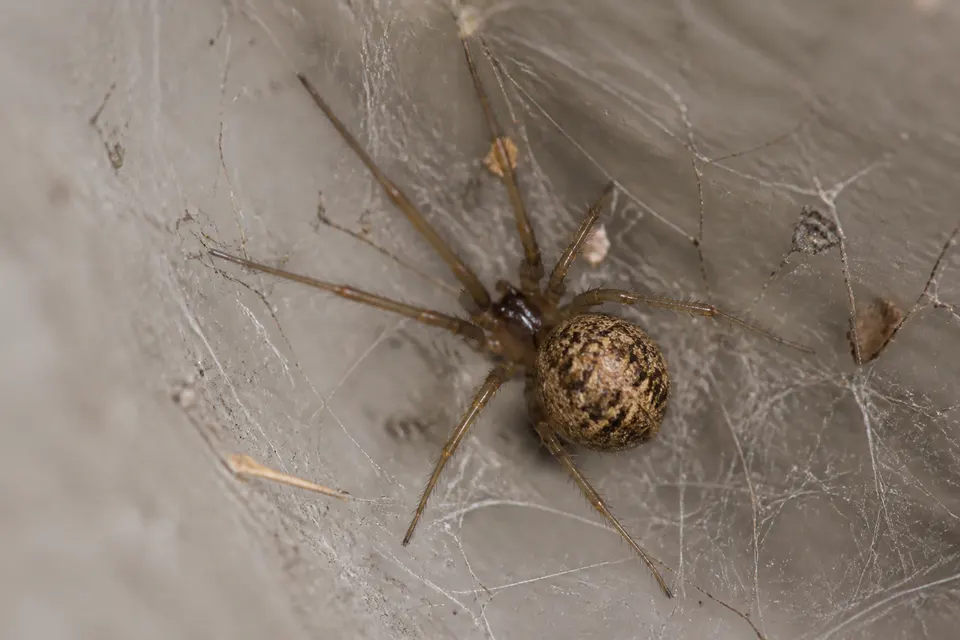
Common house spider
Parasteatoda tepidariorum and similar cobweb spiders
The common house spider builds messy cobwebs in corners and eats other insects. It is not a widow (no…
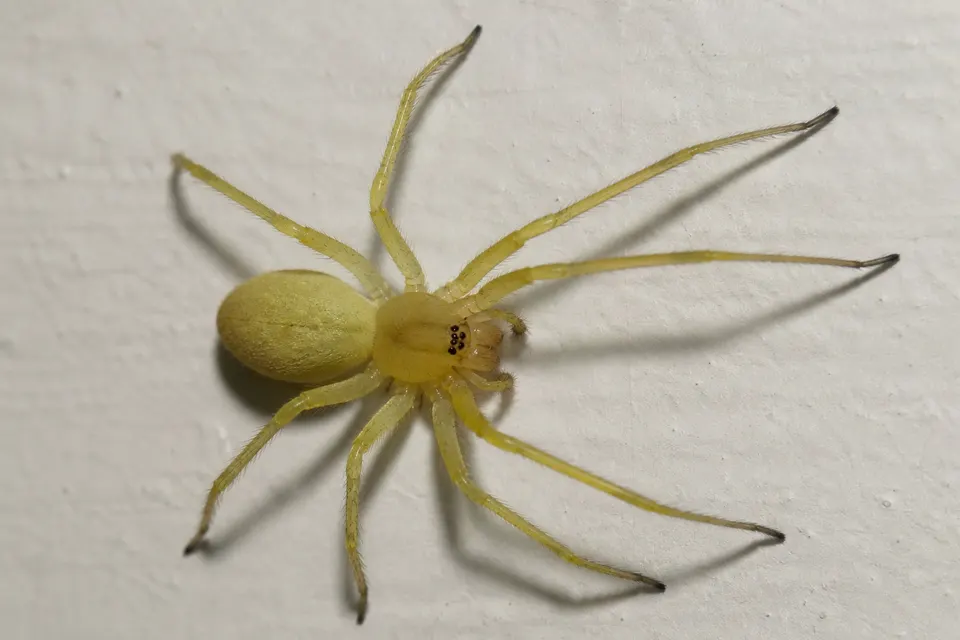
Yellow sac spider
Cheiracanthium spp.
Yellow sac spiders are pale, long-legged nocturnal hunters that hide in silken sacs in corners of rooms and…
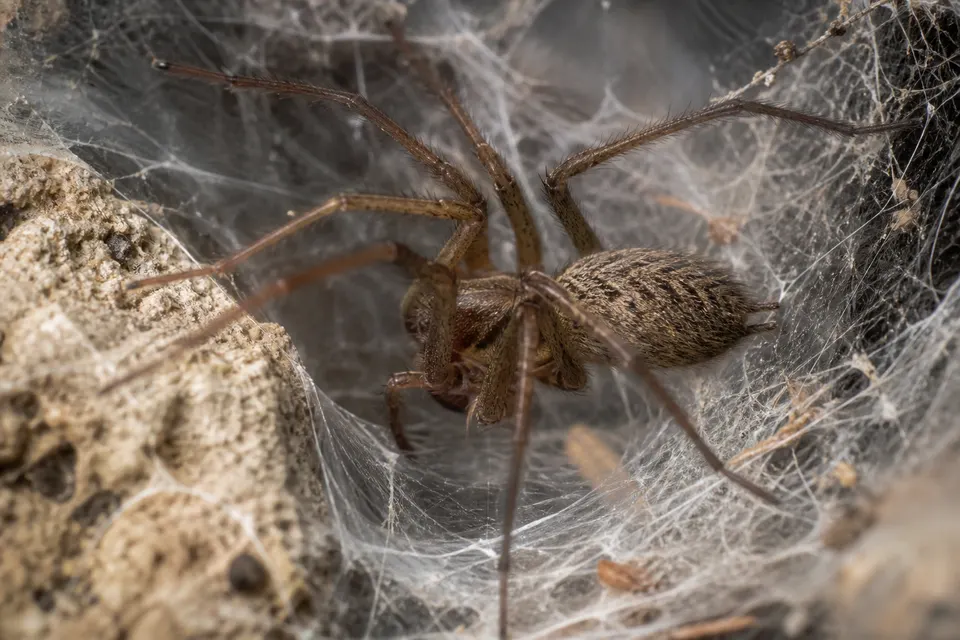
Hobo spider
Eratigena agrestis
Hobo spiders are funnel weavers of the Pacific Northwest that were blamed for necrotic bites for years. More…
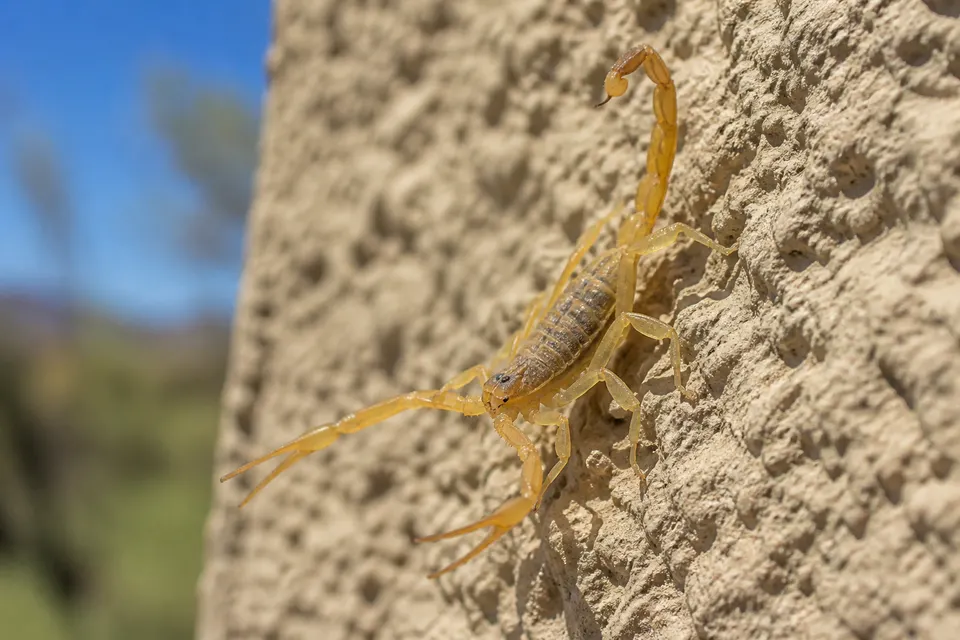
Bark scorpion
Centruroides sculpturatus
Arizona bark scorpions climb. They hide in shoes, bedding, and block walls. Stings are medical — poison…
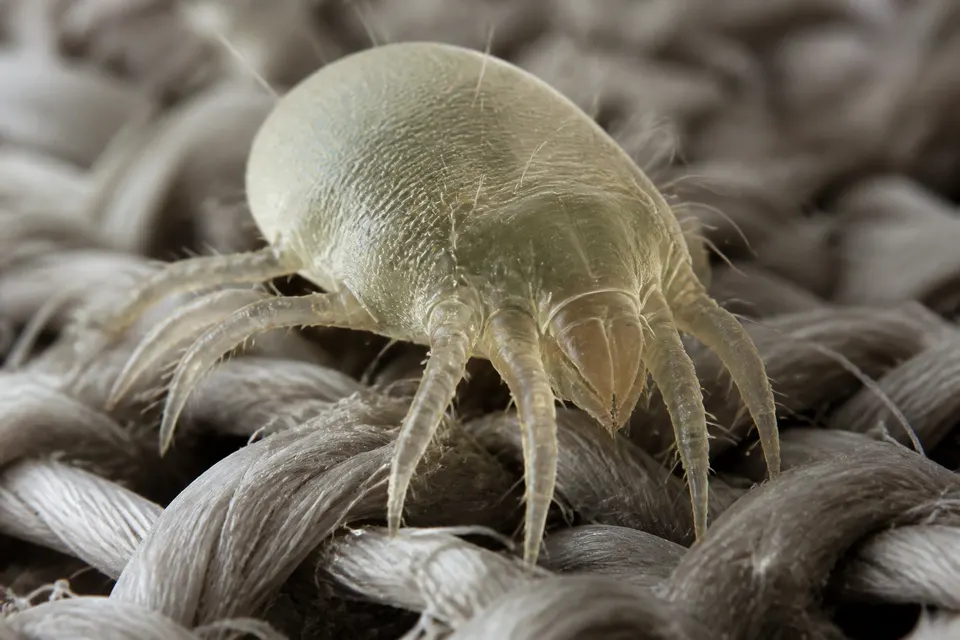
Dust mite
Dermatophagoides spp.
Dust mites are microscopic arachnids in mattresses and carpets. They do not burrow in skin like scabies…
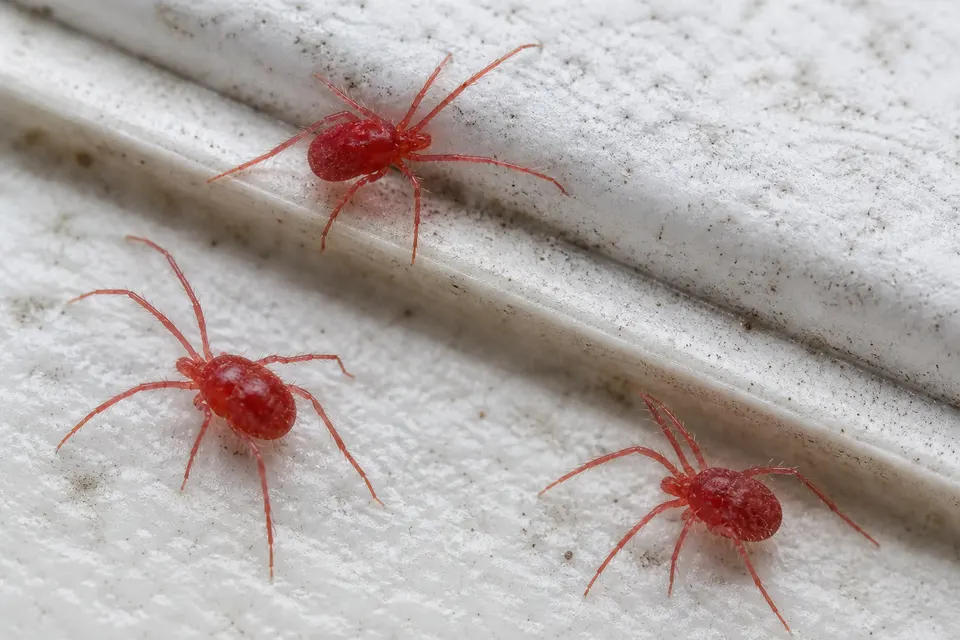
Clover mite
Bryobia praetiosa
Clover mites are tiny red plant mites that invade sunny south and west walls in huge numbers, then stain red…
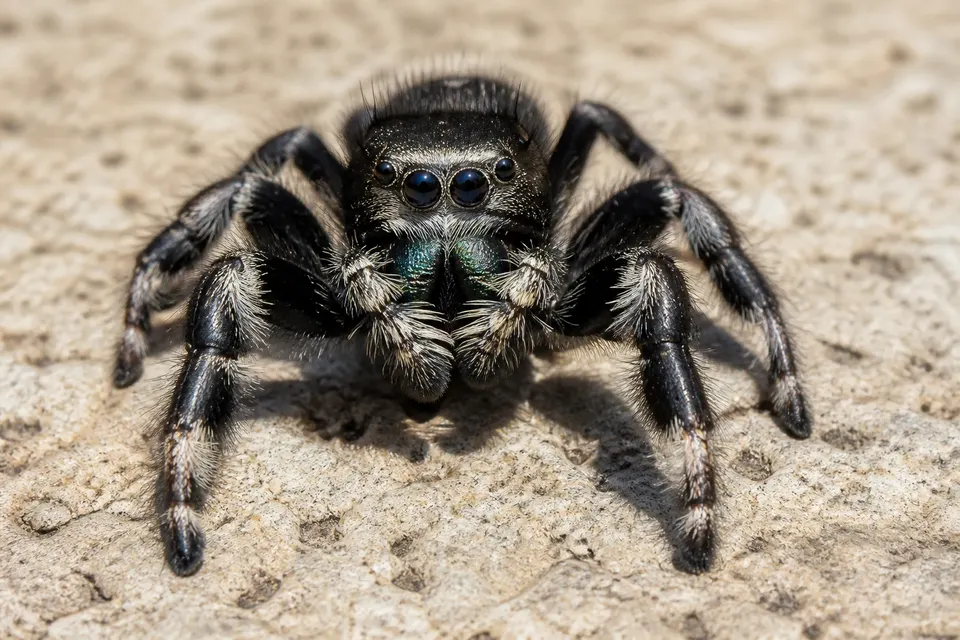
Jumping spider
Salticidae
Jumping spiders are the curious, sharp-eyed hunters on sunny windows. They jump. They are not recluses…
Nuisance wildlife
Raccoons, bats, skunks, opossums, moles, pigeons, and other vertebrate pests. Open the Nuisance wildlife group.
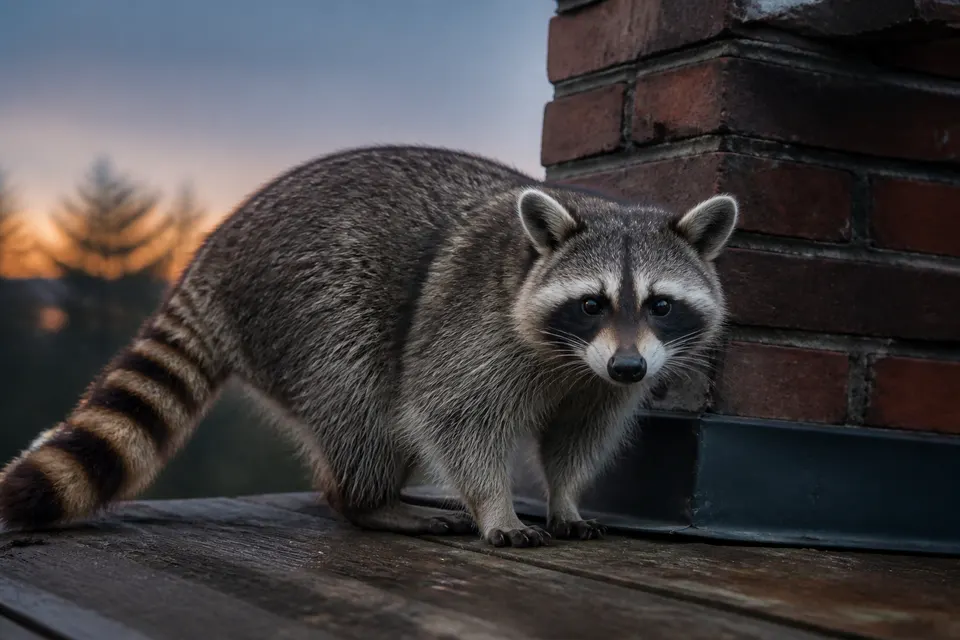
Raccoon
Procyon lotor
Raccoons are rabies-vector mammals that open chimneys, attics, and pet doors. The professional sequence is…
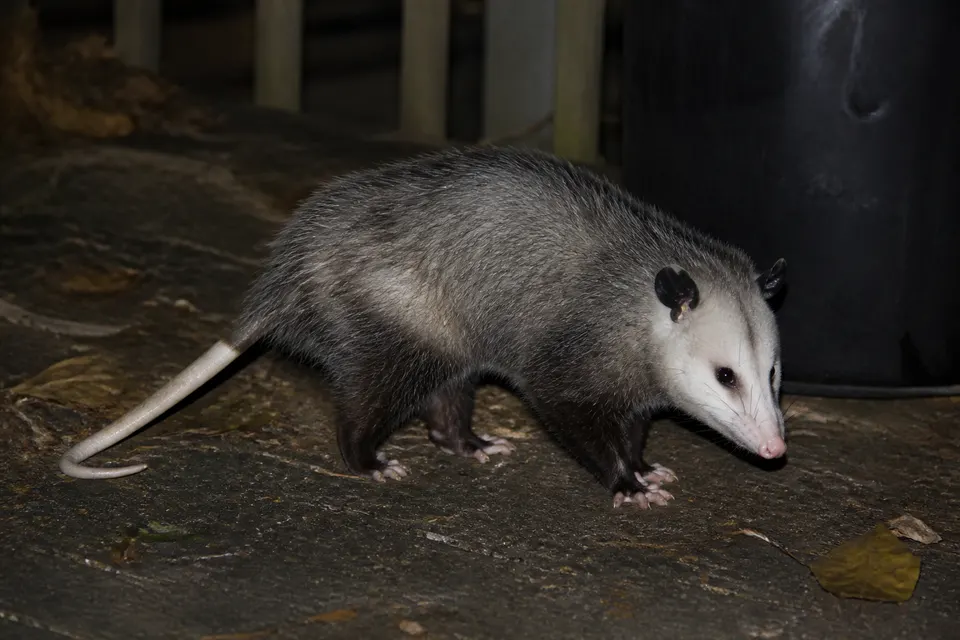
Virginia opossum
Didelphis virginiana
Opossums are the hissing, play-dead marsupials under decks. They eat ticks, garbage, and pet food. They can…
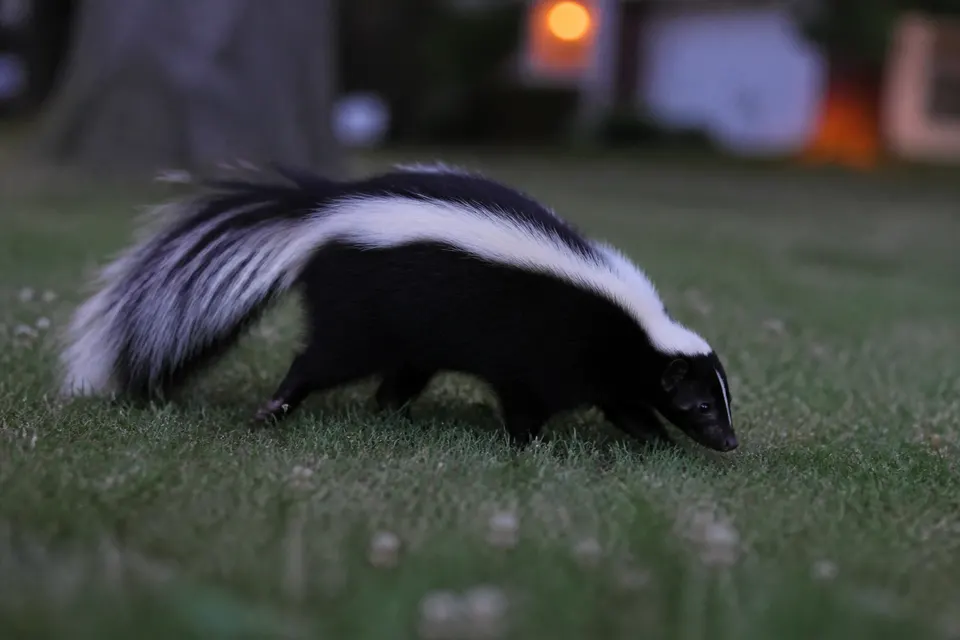
Striped skunk
Mephitis mephitis
Skunks are rabies-vector animals that dig under decks and spray when startled. Do not crawl after one with a…
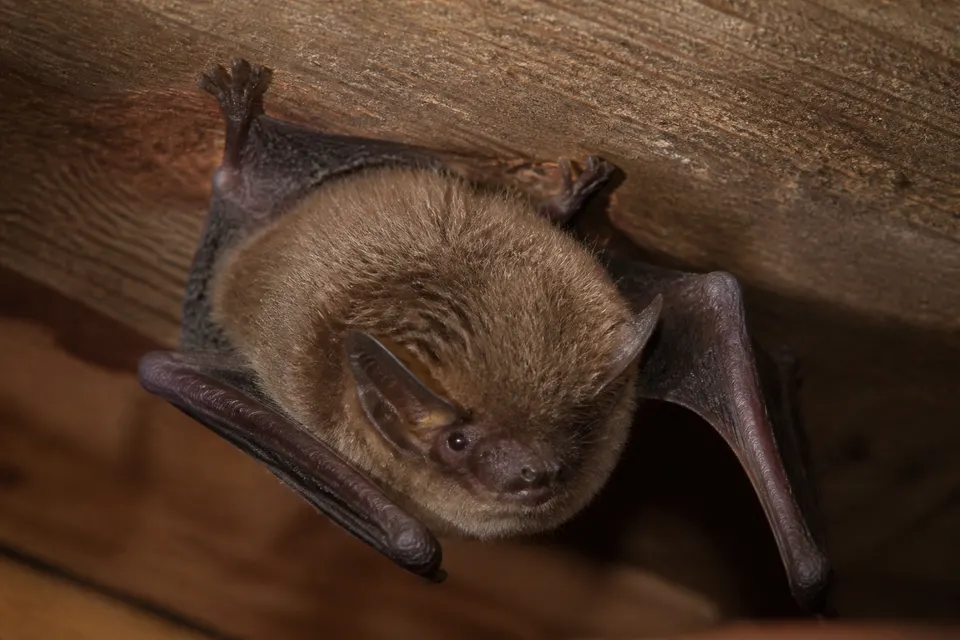
Bat (structure occupancy)
Chiroptera (various US species)
Bats in buildings are a public-health and conservation problem at once. CDC: if a bat is found in a room…
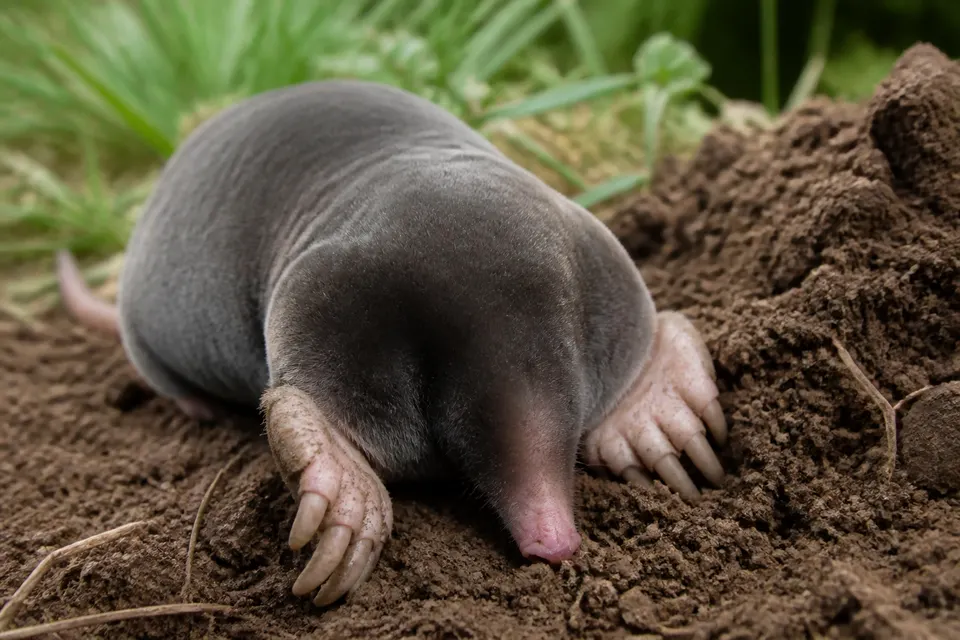
Mole
Talpidae (Scalopus and others)
Moles eat earthworms and grubs. They make surface ridges and volcano mounds. They do not eat your tulip…
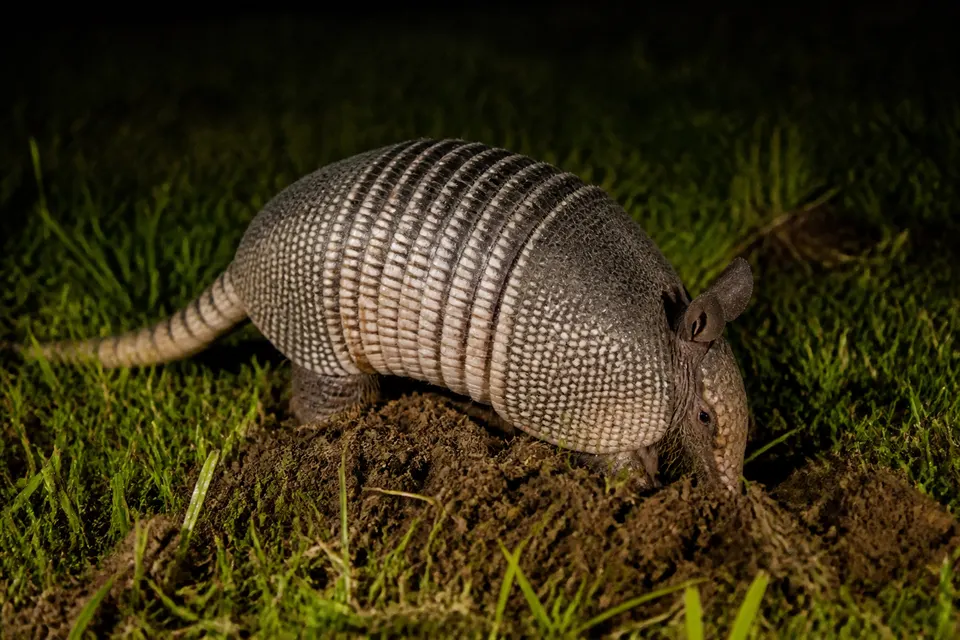
Nine-banded armadillo
Dasypus novemcinctus
Armadillos root in lawns for insects and can den under sheds. They are associated with Mycobacterium leprae…
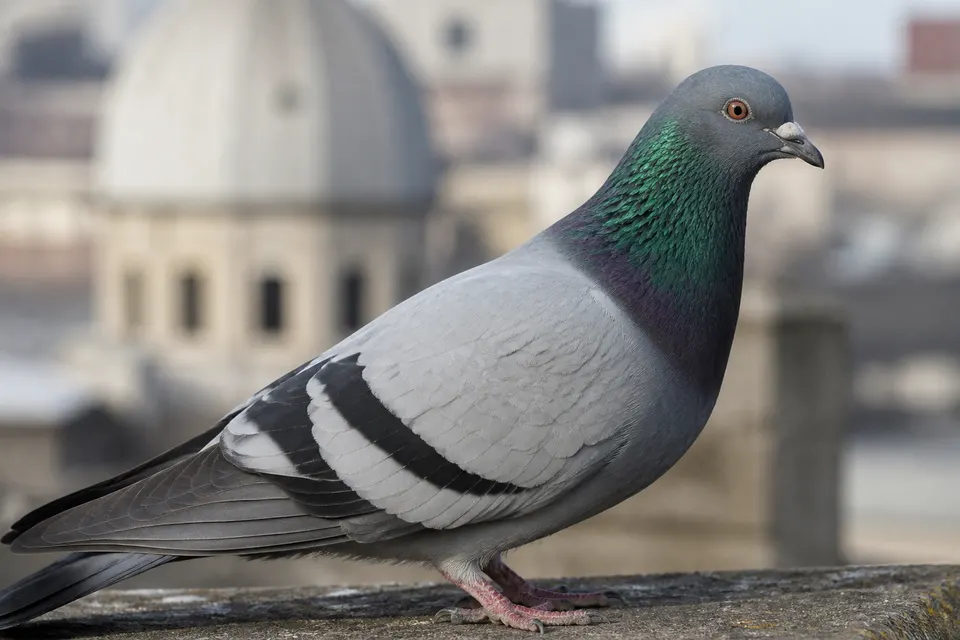
Rock pigeon
Columba livia
Pigeons are feral Columba that paint ledges with droppings. Histoplasmosis and cryptococcosis are the…
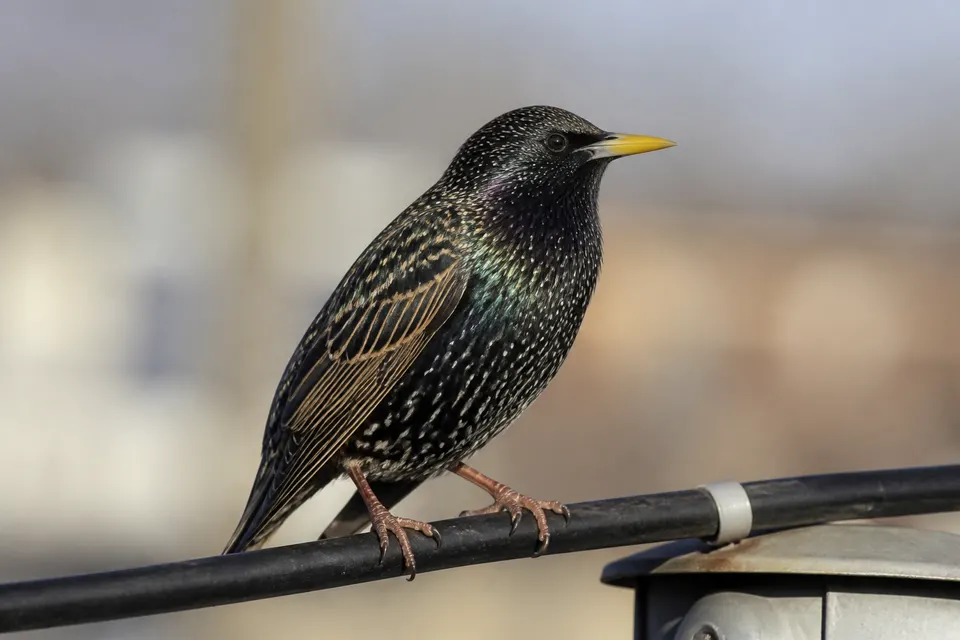
European starling
Sturnus vulgaris
Starlings are invasive cavity-nesters that clog dryer vents and outcompete native birds. They are one of the…
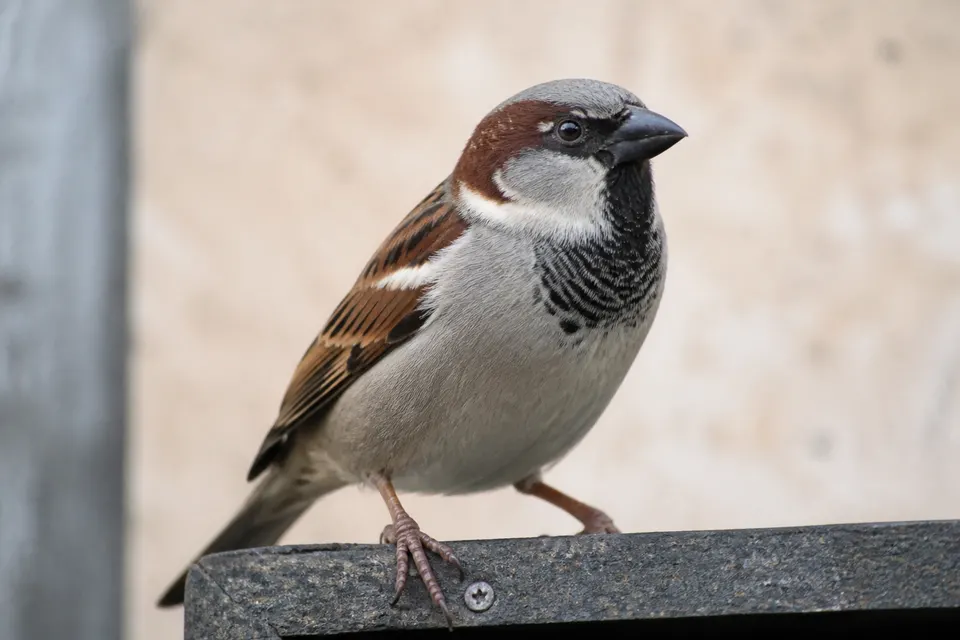
House sparrow
Passer domesticus
House sparrows are invasive cavity-nesters that kill native bluebirds competing for boxes and nest in signs…
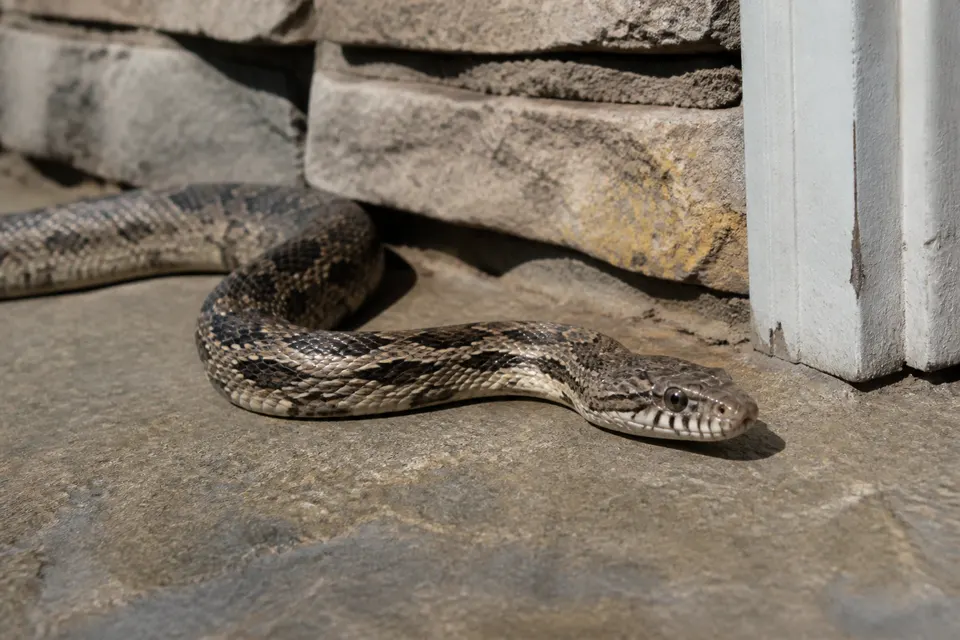
Nuisance snake (around buildings)
Serpentes (various, often Colubridae)
Most snakes at a US foundation are nonvenomous rodent hunters. The pest is usually the rodent program you…
Yard, turf, and garden pests
Grubs, chinch bugs, Japanese beetles, aphids, slugs, and wood-boring landscape insects. Open the Yard, turf, and garden pests group.
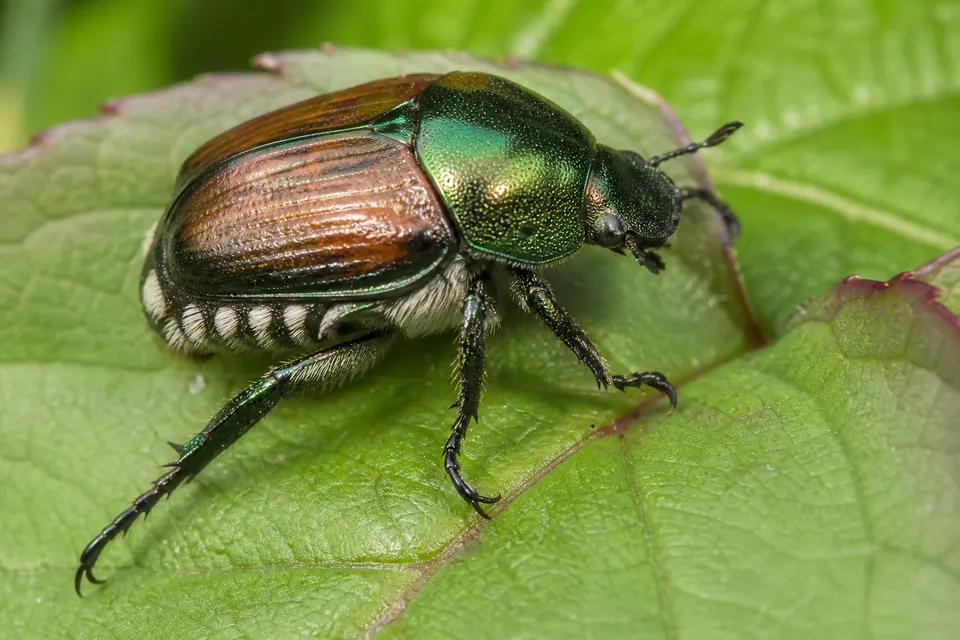
Japanese beetle
Popillia japonica
Japanese beetles are metallic green and copper day-fliers that eat leaves down to lace. The larvae are…
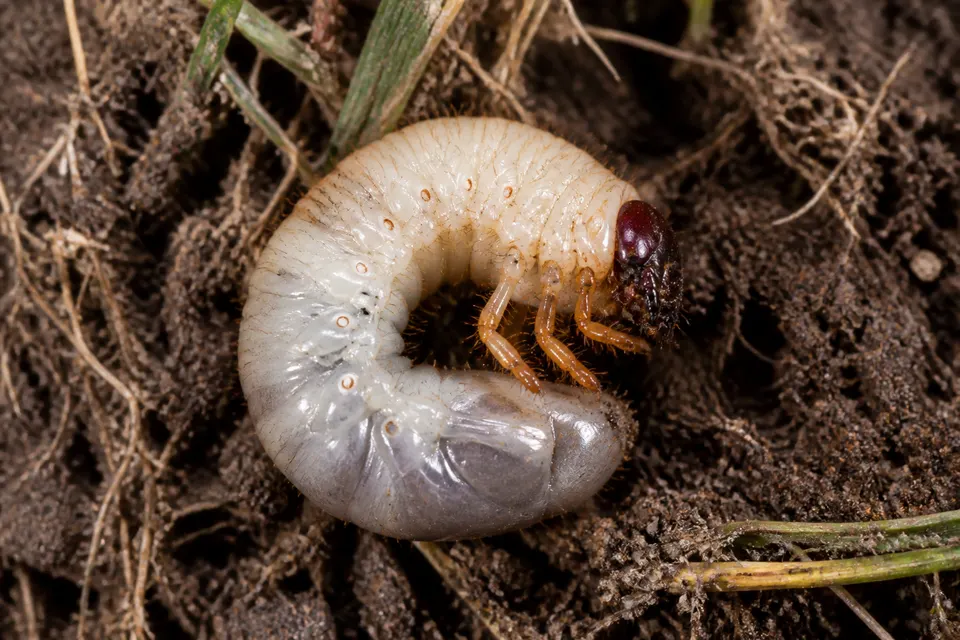
White grub (turf)
Scarabaeidae larvae (Japanese beetle, masked chafer, June beetle, and others)
White grubs are C-shaped larvae that eat grass roots. Skunks and raccoons peeling turf are often hunting…
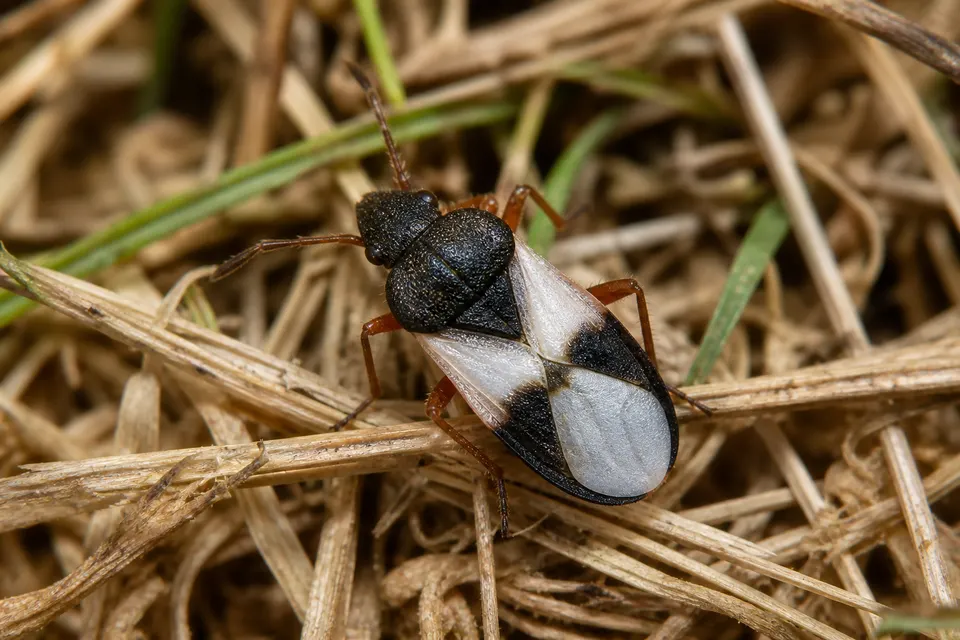
Chinch bug
Blissus spp.
Chinch bugs suck turf in hot, dry, sunny lawns. Damage starts in the hottest, most stressed patches and…
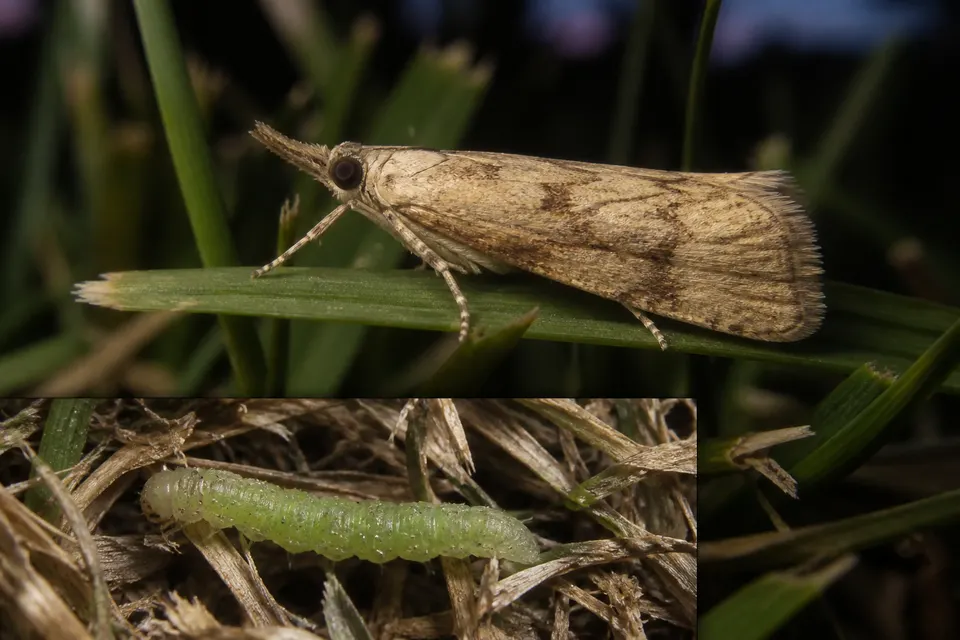
Sod webworm
Crambinae (several genera)
Sod webworms are the tan moths that flutter across a lawn at dusk. Larvae notch grass and leave green…
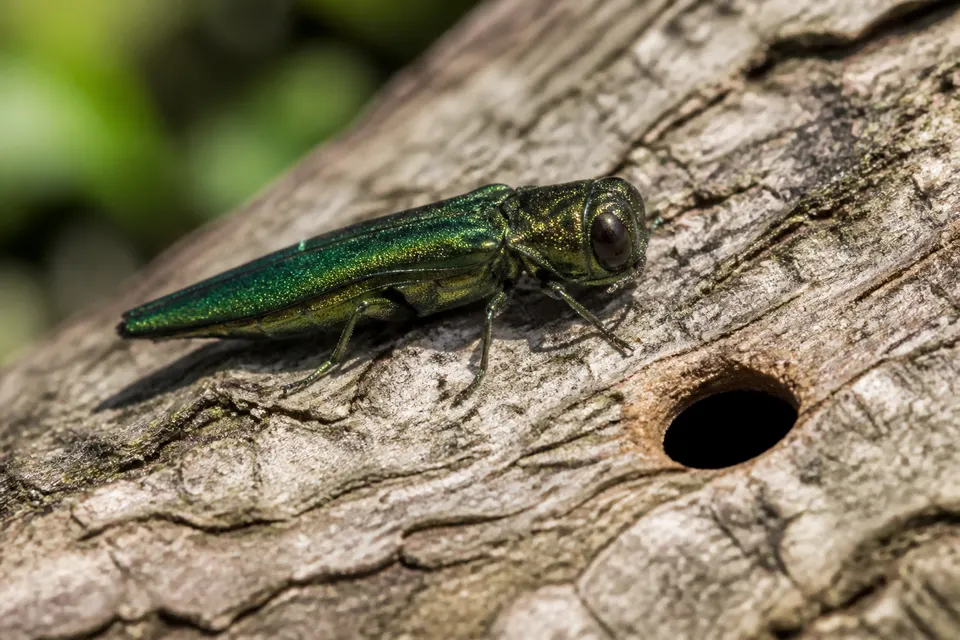
Emerald ash borer
Agrilus planipennis
Emerald ash borer killed hundreds of millions of North American ash trees. Adults are small metallic green…
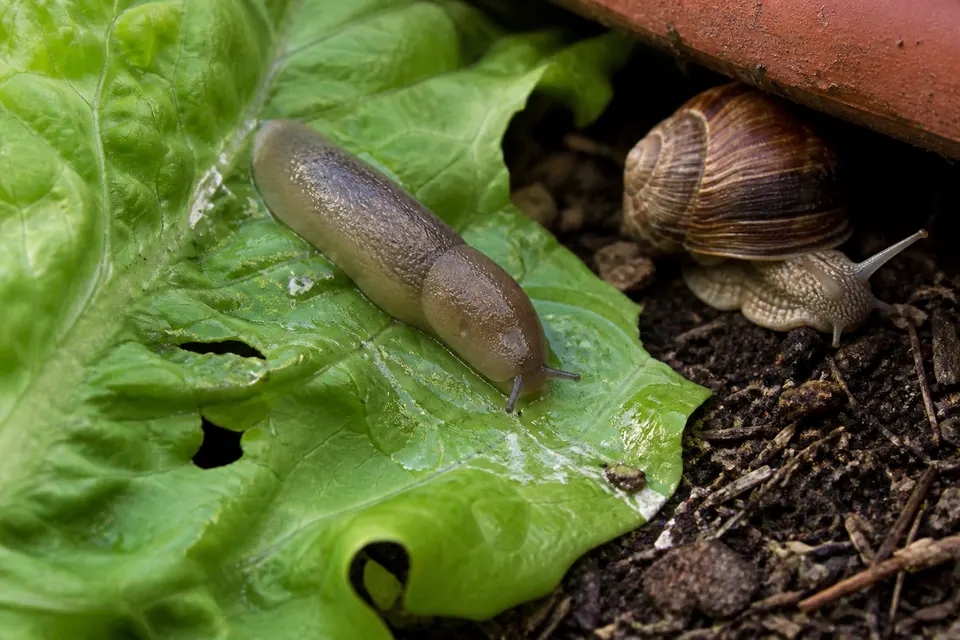
Slug and snail (garden)
Gastropoda (Deroceras, Cornu, and others)
Slugs and snails rasp holes in hostas, lettuce, and seedlings and leave slime trails. They are mollusks, not…
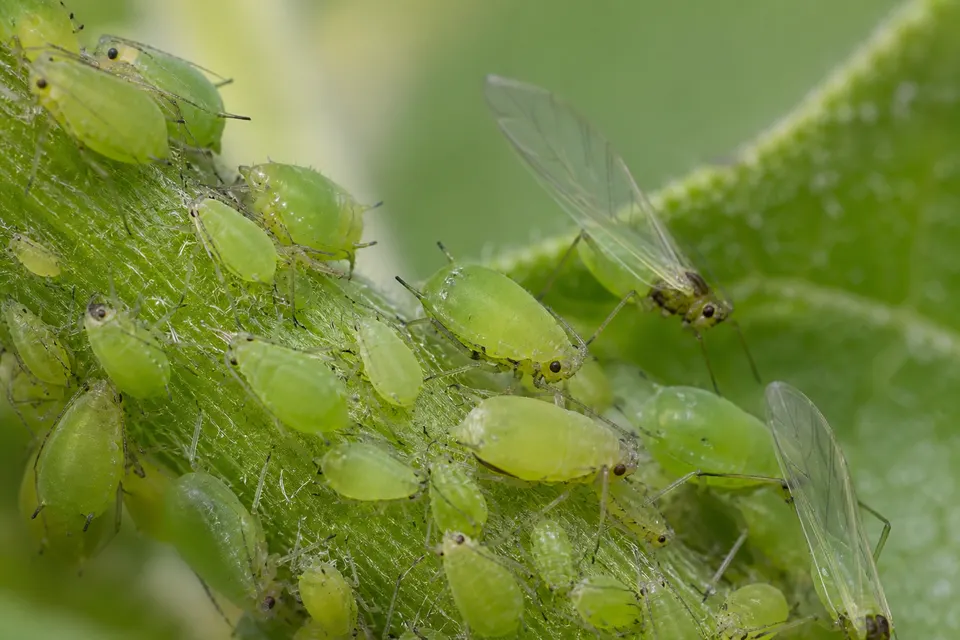
Aphid
Aphididae
Aphids are soft-bodied sap suckers that cluster on new growth and excrete honeydew that grows sooty mold and…
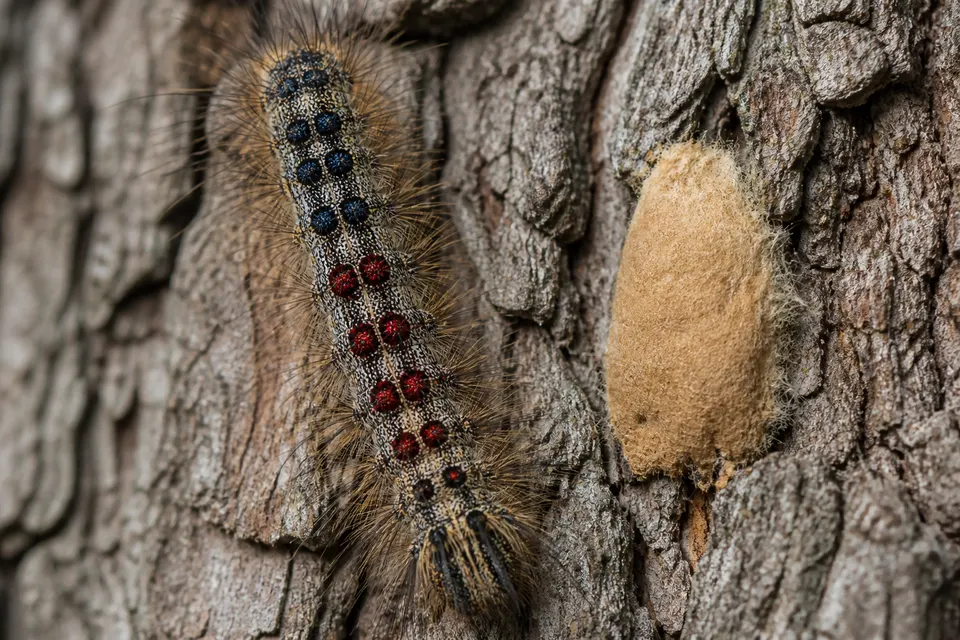
Spongy moth
Lymantria dispar
Spongy moth caterpillars can strip oaks in outbreak years. Egg masses are tan and spongy on bark, outdoor…
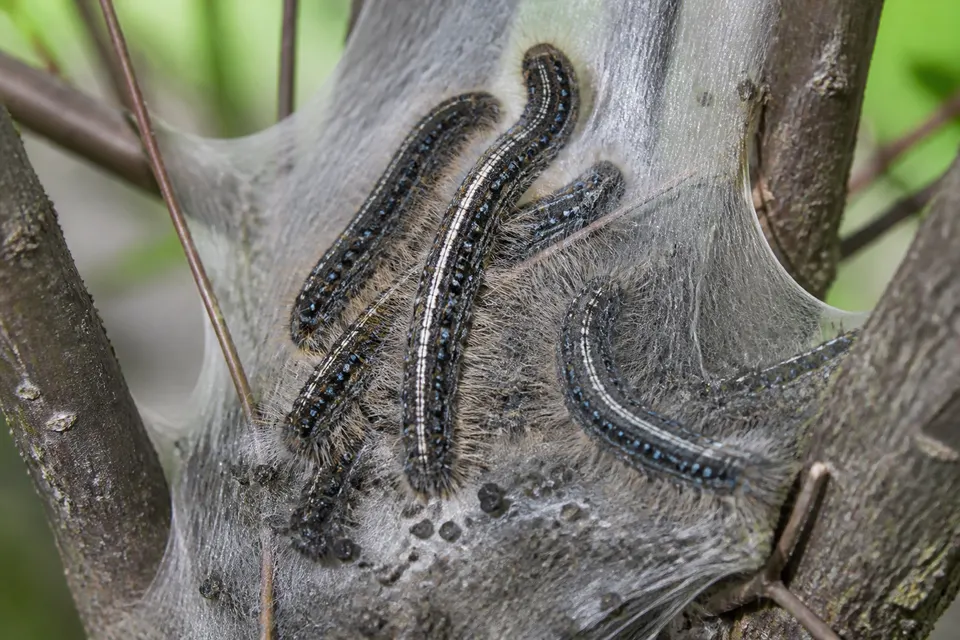
Eastern tent caterpillar
Malacosoma americanum
Eastern tent caterpillars build obvious silk tents in cherry crotches in spring. They look apocalyptic and…