PK-W08 · Nuisance wildlife
How to get rid of European starlings
Sturnus vulgaris
Starlings are invasive cavity-nesters that clog dryer vents and outcompete native birds. They are one of the three invasive birds (with pigeons and house sparrows) often treated differently under US law than robins. Still: no glue, no torture, no poison that kills raptors. Exclusion of cavities and vents is the method. A dryer vent full of nesting material is a fire conversation. Identify vs native blackbirds before you act — legal status differs.
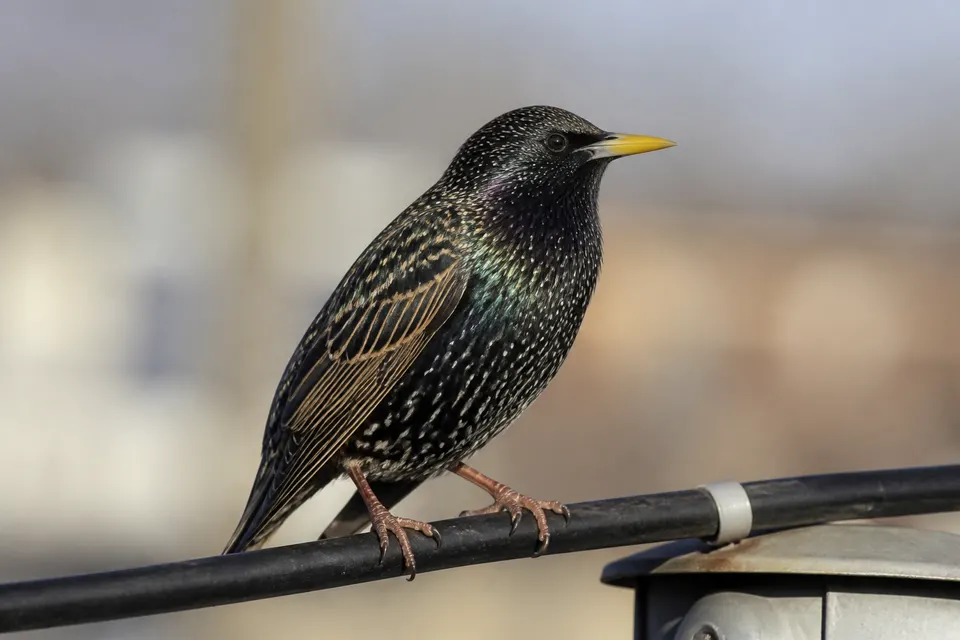
How to identify European starling
- Speckle-sheen, yellow bill in season, triangular wings in flight, noisy flocks.
- Nest in vents, signs, and woodpecker holes.
Signs of an infestation
- Birds entering a dryer vent.
- Flocks at feedlots. Cavity nests in buildings.
Biology and why they show up
Invasive from Europe. Aggressive cavity competitors. Huge winter roosts in some cities (noise, droppings).
Health and property risk
Vent blockage/fire, droppings, agricultural damage, native cavity-nester competition. Histoplasmosis in huge roosts — PPE.
Proven control sequence
Work in this order. Skipping inspection or exclusion is why most “treatments” bounce back in a week.
- Screen vents with wildlife-rated covers that still exhaust. Dryer and kitchen vents are classic. Check fire-safe products.
- Close cavities after nests are empty. Do not trap young inside. Even invasive birds deserve that much, and the smell otherwise is yours.
- No indiscriminate poison. Feedlot products are a regulated agricultural domain, not a backyard mix.
Matching tools for these steps can be bought on Amazon. Buy the field kit.
Tools for starlings in cavities
Block the cavity with metal once the nest is gone. Same envelope logic as other hole-nesters.
As an Amazon Associate, Pest Kill earns from qualifying purchases. The EPA label is the law for any pesticide. These links match the sequence on this page — they are not a shopping list instead of identification. Details: advertising disclosure. Browse the full tools catalog.
Hardware
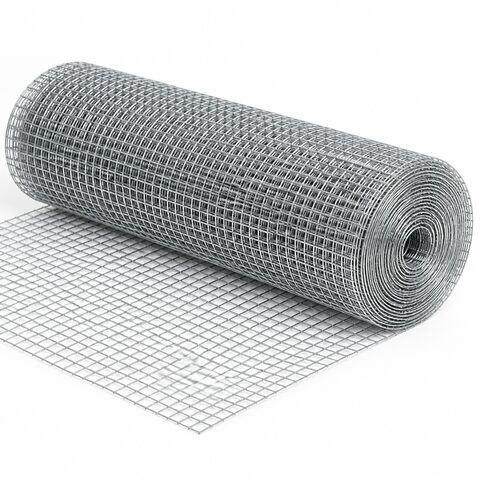
1/4-inch galvanized hardware cloth
Cut patches for vents, soffits, and the gaps foam cannot hold. Quarter-inch mesh stops mice; rats need a heavier gauge and no loose edges. Fasten to wood or masonry, then seal the rim.
Prevention that actually sticks
- Install vent covers before nesting season.
- Do not offer huge open hopper feeders if starlings dominate and that bothers you — baffle designs exist.
When to hire a licensed professional
Roosts on buildings, food plants, fire-risk vents.
United States and Tier 1 notes
US-wide invasive. Native to Eurasia — in the UK they are a conservation concern, not a pest in the same legal sense. Do not export US lethal tactics to the UK.
Common questions
Can I shoot them in a suburb?
Discharge of firearms is a local law issue even if the bird is unprotected. Exclusion is the adult method.