Nuisance wildlife
Nuisance wildlife control
Wildlife in structures is a legal and rabies conversation, not a trap-from-a-catalog conversation. Raccoons, skunks, foxes, and bats are rabies-vector species in much of the United States. Many birds are protected under the Migratory Bird Treaty Act. Exclusion, one-way doors installed after young have left, and licensed nuisance-wildlife operators are the professional path.
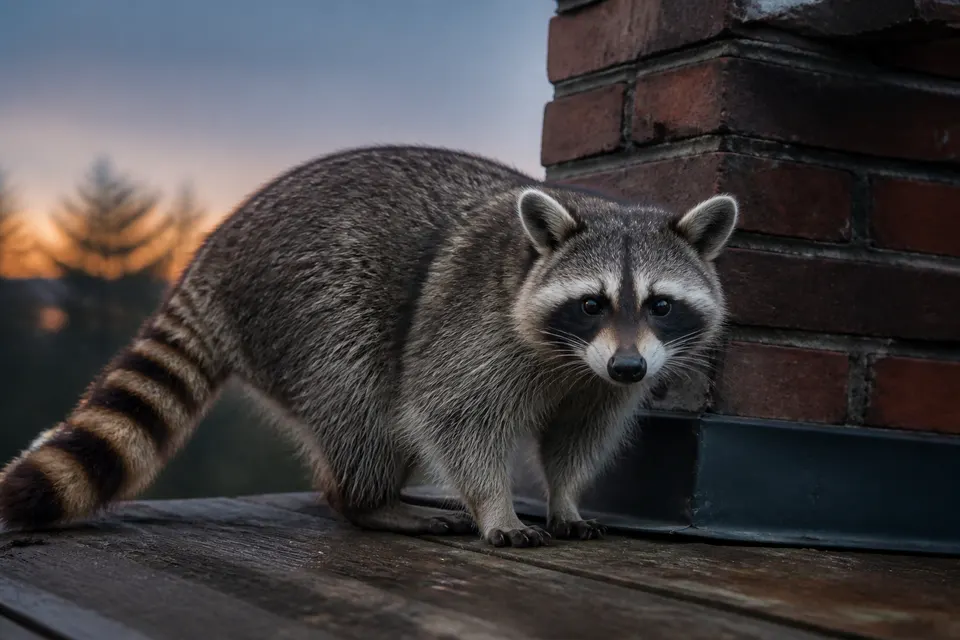
Raccoon
Procyon lotor
Raccoons are rabies-vector mammals that open chimneys, attics, and pet doors. The professional sequence is inspect for young…
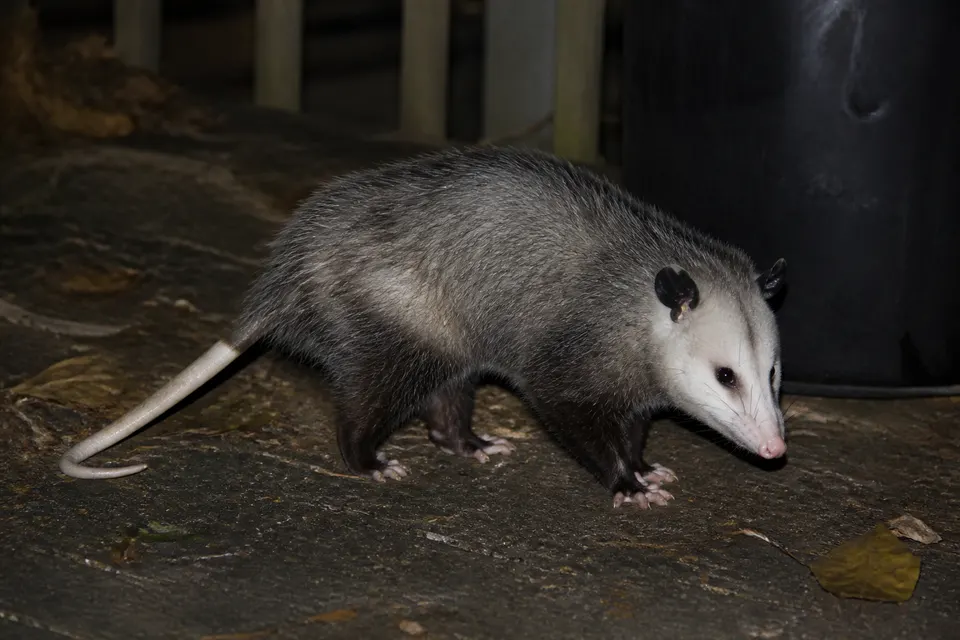
Virginia opossum
Didelphis virginiana
Opossums are the hissing, play-dead marsupials under decks. They eat ticks, garbage, and pet food. They can den under a porch…
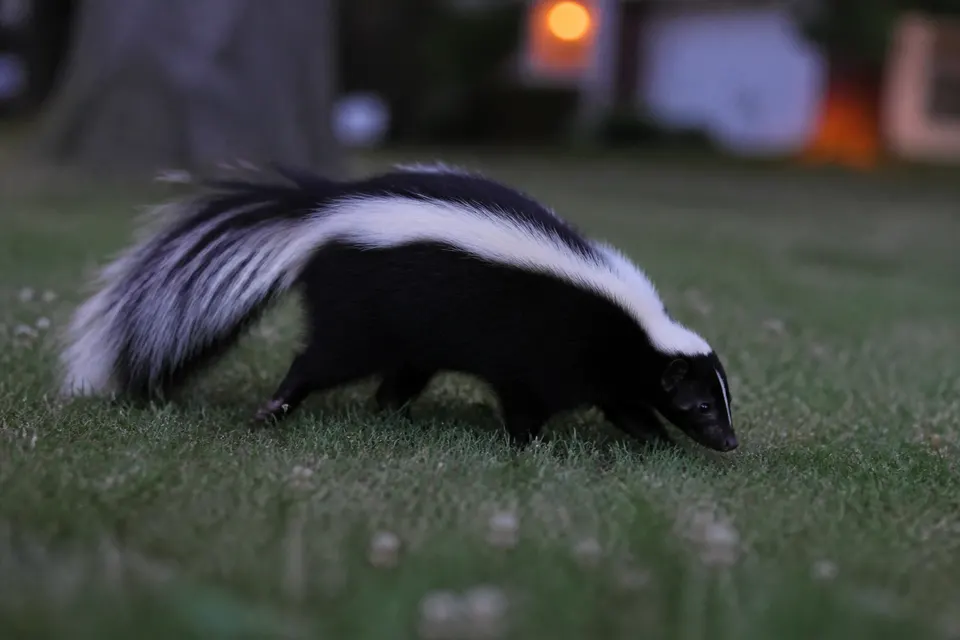
Striped skunk
Mephitis mephitis
Skunks are rabies-vector animals that dig under decks and spray when startled. Do not crawl after one with a flashlight in a…
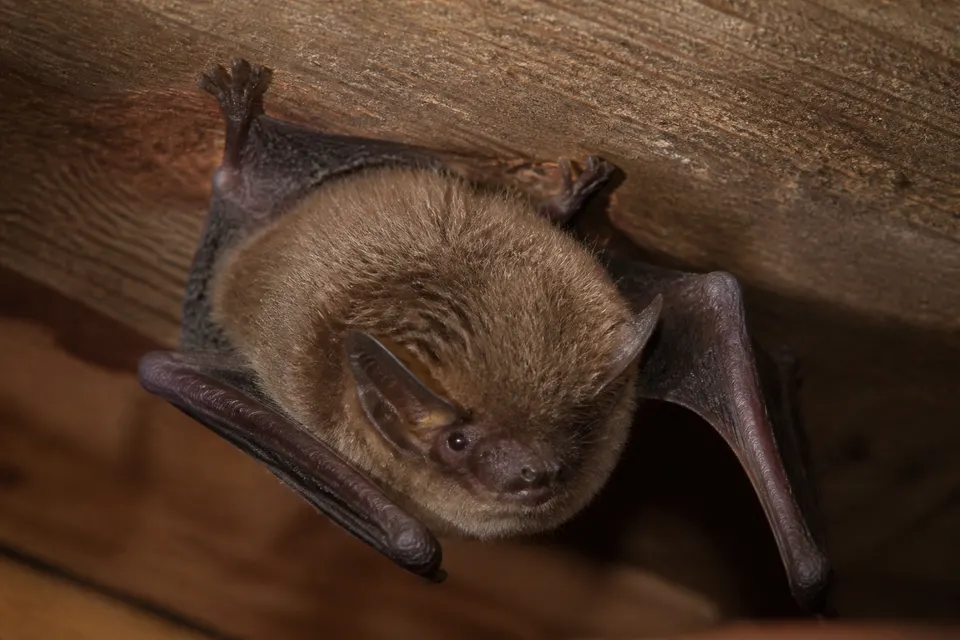
Bat (structure occupancy)
Chiroptera (various US species)
Bats in buildings are a public-health and conservation problem at once. CDC: if a bat is found in a room with a sleeping person…
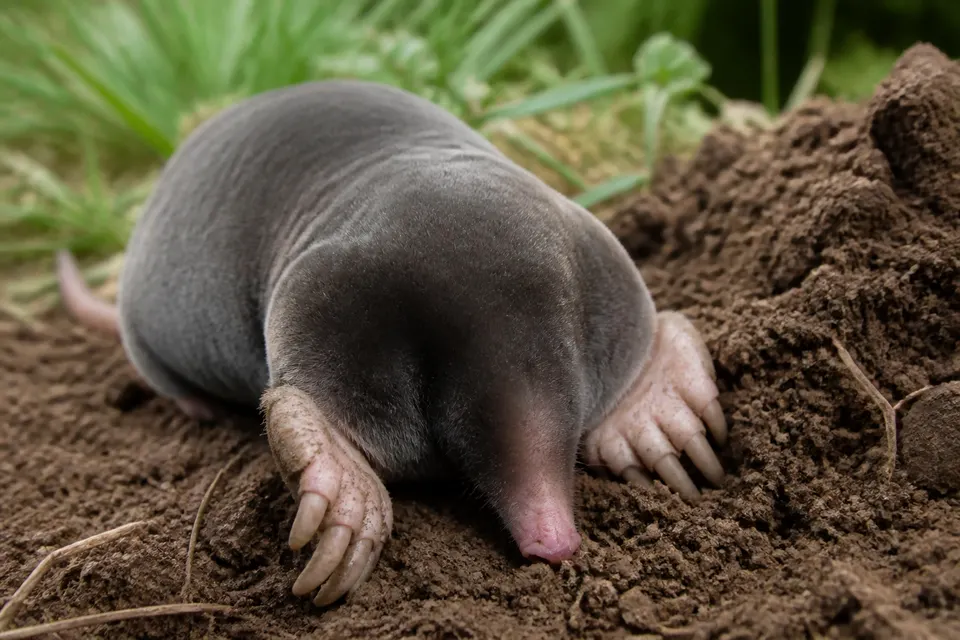
Mole
Talpidae (Scalopus and others)
Moles eat earthworms and grubs. They make surface ridges and volcano mounds. They do not eat your tulip bulbs (voles do)…
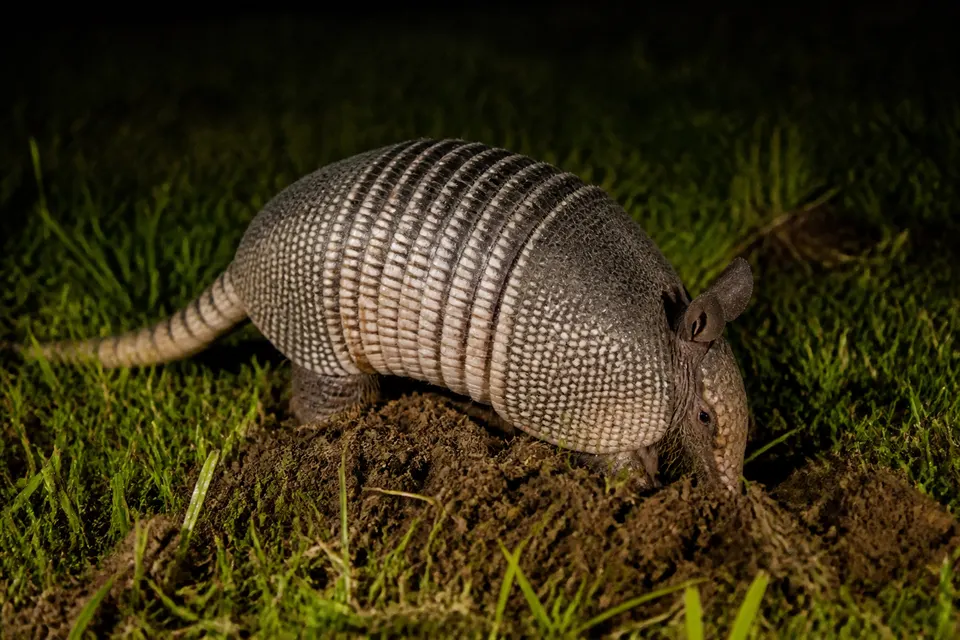
Nine-banded armadillo
Dasypus novemcinctus
Armadillos root in lawns for insects and can den under sheds. They are associated with Mycobacterium leprae in some southern…
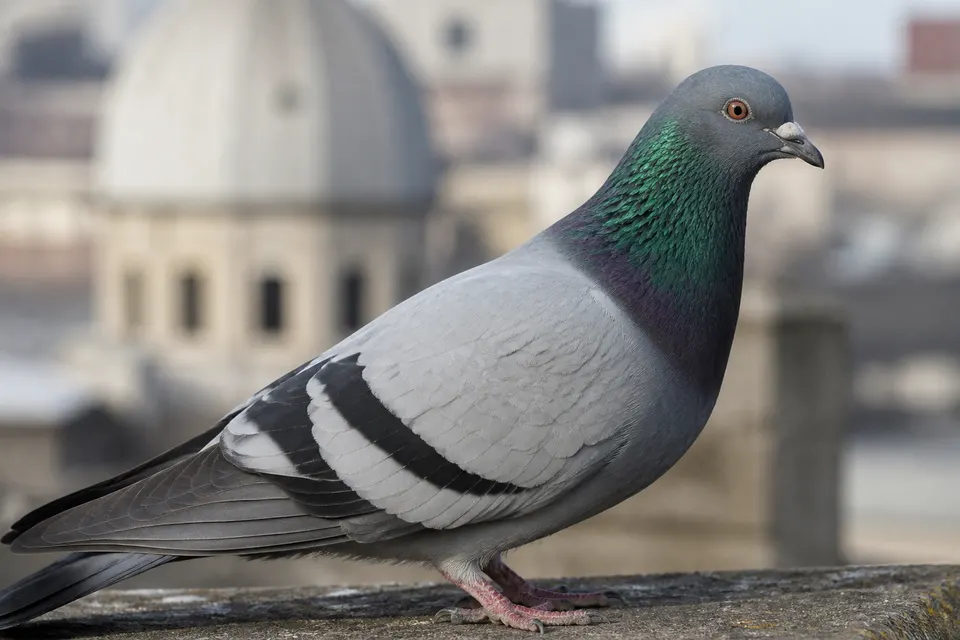
Rock pigeon
Columba livia
Pigeons are feral Columba that paint ledges with droppings. Histoplasmosis and cryptococcosis are the rare-but-real reasons not…
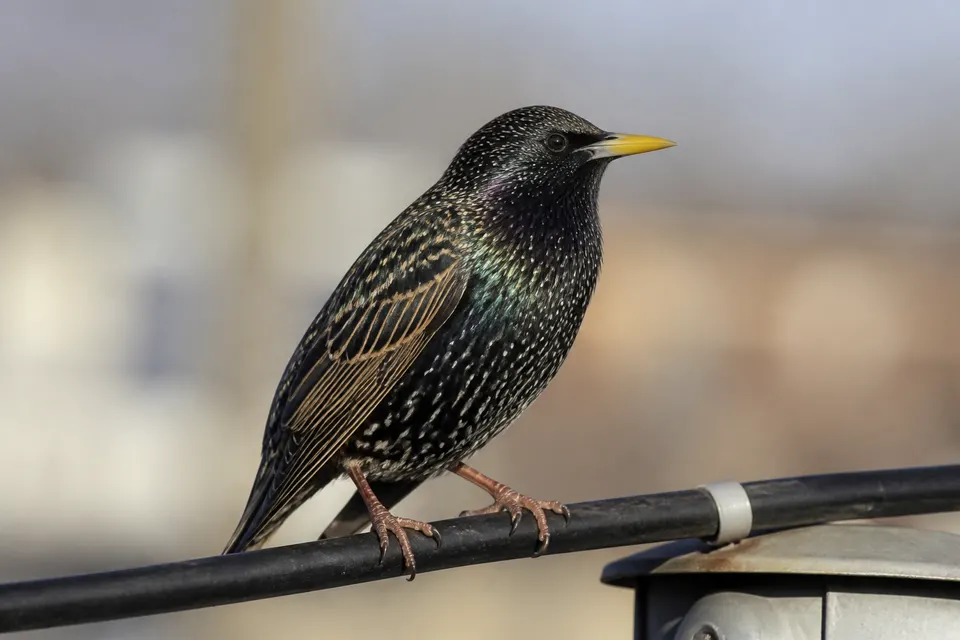
European starling
Sturnus vulgaris
Starlings are invasive cavity-nesters that clog dryer vents and outcompete native birds. They are one of the three invasive…
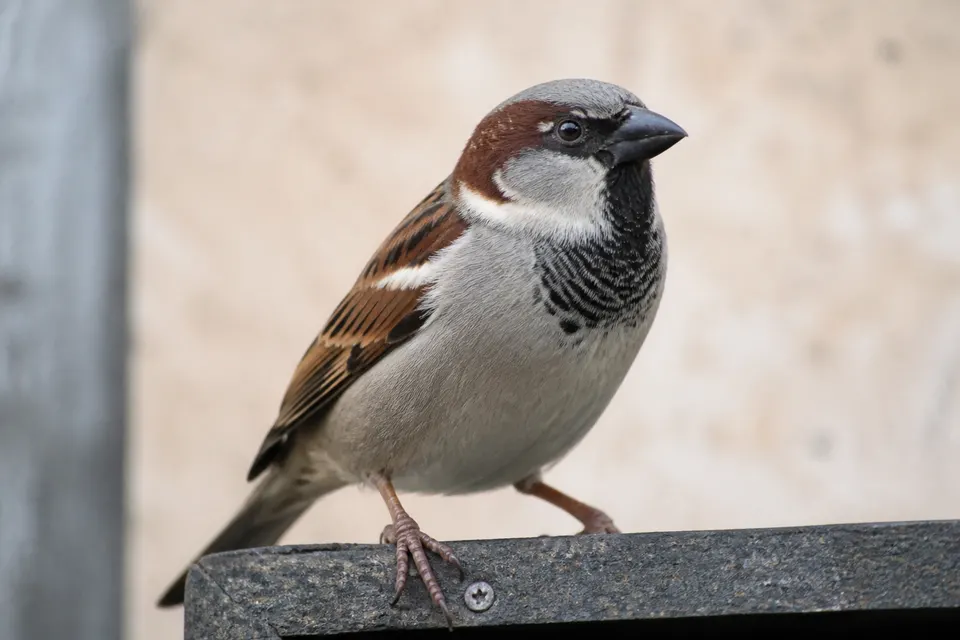
House sparrow
Passer domesticus
House sparrows are invasive cavity-nesters that kill native bluebirds competing for boxes and nest in signs and gas-station…
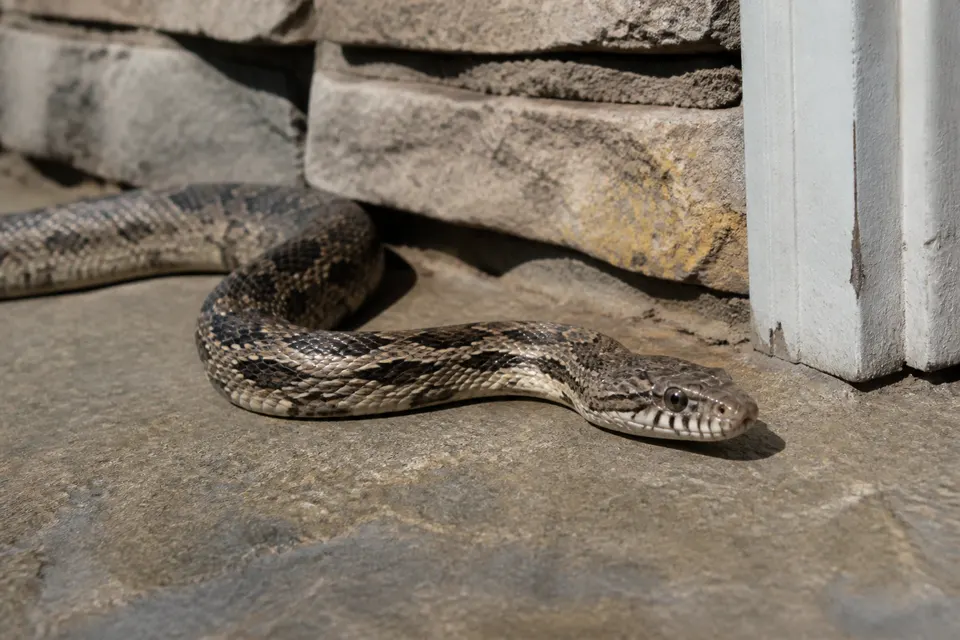
Nuisance snake (around buildings)
Serpentes (various, often Colubridae)
Most snakes at a US foundation are nonvenomous rodent hunters. The pest is usually the rodent program you skipped. Control is…