Start here if you searched “mice”
How to get rid of mice
If you searched how to get rid of mice, identify the rodent before you buy bait. A house mouse in a kitchen is an exclusion-and-trapping job. A deer mouse in a western cabin is also a hantavirus cleaning protocol. They are not the same animal, and mint oil does not close a ¼-inch gap.
House mouse or deer mouse?
House mice (Mus musculus) are the default indoor mouse of US kitchens, warehouses, and farms. They are dusty gray-brown, with a tail about as long as the body, and they need almost no water beyond the moisture in food. Deer mice (Peromyscus) are native, usually with a white belly and a bicolored tail. They nest in cabins, sheds, woodpiles, and seasonal homes. CDC’s hantavirus guidance exists because deer-mouse droppings and nests in poorly ventilated western buildings have been associated with serious illness.
If you cannot tell Peromyscus from Mus in a western outbuilding, treat droppings as a hantavirus cleaning problem until identified: ventilate, wet down, do not dry-sweep. Then trap and seal. White-footed mice are a related Peromyscus story in the East and Midwest.
Mouse droppings or rat droppings?
House-mouse droppings are ⅛–¼ inch with pointed ends, scattered along runways. Norway rat droppings are about ¾ inch capsules. If you are finding pellets larger than a centimeter, or hearing heavy thumps in a ceiling, open the rat guide. Under-trapping a rat with mouse traps is how people decide “traps do not work.”
A mouse uses a gap a pencil can enter. That is why door sweeps and copper mesh at pipes matter more than a scented cotton ball.
The control sequence
Mice are less trap-shy than Norway rats. They still win when you set two traps in the middle of a room. A real mouse job is many traps on edges, plus sealing, plus storing food so cardboard is not a pantry and a nest.
- Seal pencil-width holes. Copper or steel mesh plus sealant at pipes, garage weatherstrip, and the kitchen kickplate. If a pencil fits, a mouse is considering it.
- Remove food and nesting. Gasketed containers for dry goods and pet food. Recycle cardboard. Pick up bowls at night.
- Trap densely on edges. Dozens of snap traps along walls, behind the stove, and in the garage — not two traps. Check daily.
- Clean droppings safely. Ventilate. Wet the material. Do not broom a dry nest in a western cabin. CDC rodent-cleaning guidance applies.
- Monitor after the crash. Leave a few traps out. Mice reinvade through the gap you missed, and through neighbors in a stacked building.
Skip indoor poison for mice
Indoor rodenticide for house mice leaves carcasses in stoves and wall voids. Children and pets reach bait. EPA tightened consumer rodenticide formats for this reason. Snap traps in locked boxes, plus exclusion, are the indoor standard here. Ultrasonic plug-ins and peppermint oil do not replace a ¼-inch seal.
What professional mouse control costs in the United States
A straightforward house-mouse service in a single-family kitchen often resembles other residential rodent visits: roughly $150 to $350 for inspection and first trapping, more if the operator must treat a whole apartment stack or a food facility. Exclusion labor can exceed the trap fee. In multi-family housing, a one-unit treatment usually fails if neighbors still feed the wall void.
Starter kit after you know it is mice
House mouse vs deer mouse still matters. Open the species page before you buy bait. Snap traps, glue boards, and a plug-in repeller are in this kit.
As an Amazon Associate, Pest Kill earns from qualifying purchases. The EPA label is the law for any pesticide. These links match the sequence on this page — they are not a shopping list instead of identification. Details: advertising disclosure. Browse the full tools catalog.

Hardware
Victor M150 metal-pedal mouse snap traps (12-pack)
Placement beats brand: perpendicular to the wall, on the runway, enough traps. Peanut butter stays on the pedal. A 12-pack is the right unit, not one trap in the middle of the room.
Hardware
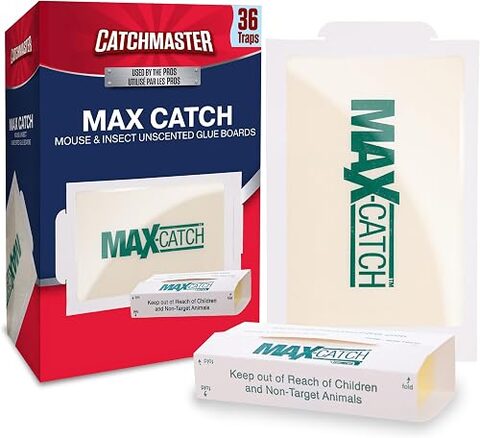
Catchmaster mouse and insect glue traps
Pre-baited boards for mice and crawling insects. Set on the runway, not in the middle of the room. Same child-and-pet caution as any glue tray.

Hardware
Ultrasonic pest repeller (plug-in)
Plug-in sound units sold for rodents, cockroaches, and other indoor pests. Cover more than one room if that is how the house is laid out. Read the pack for pet and hearing notes.
Hardware
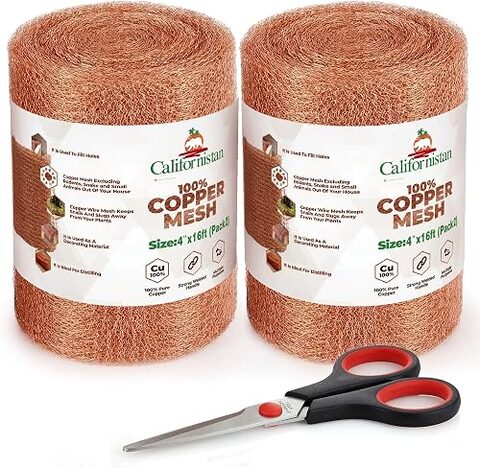
Copper mesh for rodent gaps
Stuff quarter-sized and smaller holes after you know the runways. Steel wool rusts and gets pulled out. Mesh is not a substitute for a door sweep on a half-inch gap.
Hardware
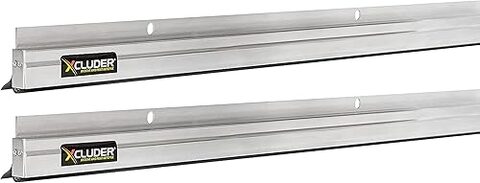
Door sweep / garage threshold seal
The gap under an alley or garage door feeds more rats than a bait station on the wrong wall. Measure the gap. A sweep is exclusion, not a gadget.
Species pages
Open the matching species article for identification features, legal notes, and the full control sequence.
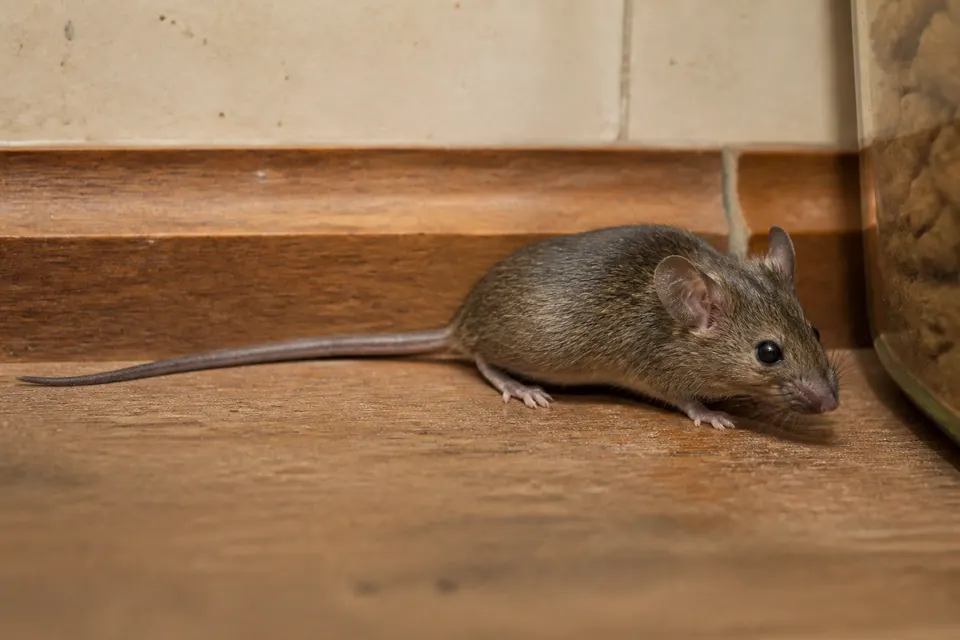
House mouse
Mus musculus
House mice succeed because they need almost no water beyond the moisture in food, they fit through a 6 mm…

Deer mouse
Peromyscus maniculatus
Deer mice are native, big-eared, white-footed rodents with a bicolored tail. They are not house mice. CDC’s…
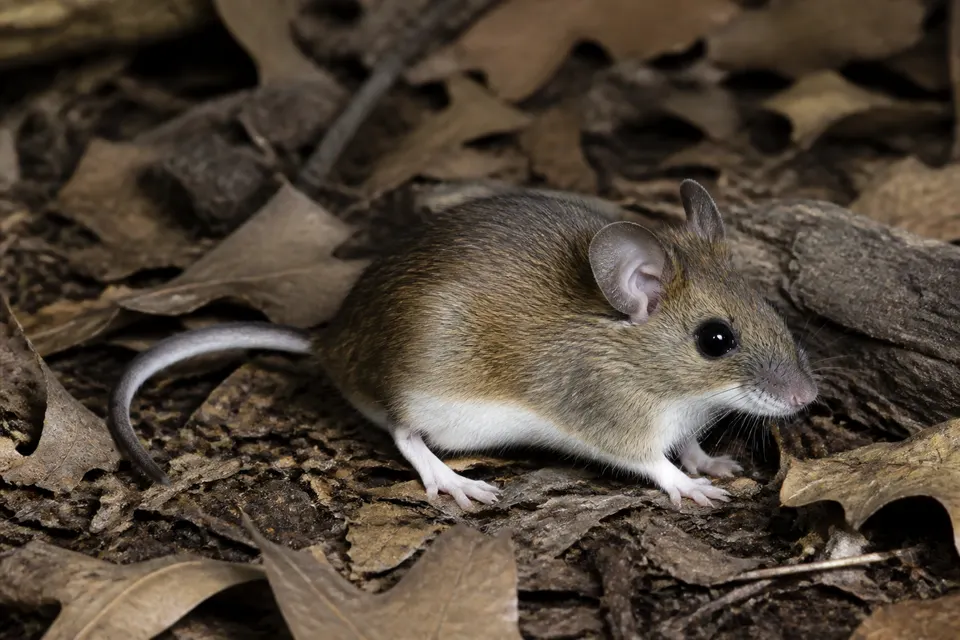
White-footed mouse
Peromyscus leucopus
White-footed mice look like deer mice to most homeowners: white belly, large ears, bicolored tail. They…
Common questions
I caught one mouse. Am I done?
Usually not. House mice live in groups. Keep trapping and sealing until monitors stay empty.
Can I get rid of mice without poison?
Yes. That is the preferred indoor method in this directory: exclusion, sanitation, and enough snap traps on runways.
Do mint-oil cotton balls work?
They perfume a cabinet. They do not exclude a 6 mm gap. Seal the hole.
Is this a hantavirus risk?
House mice in a typical US kitchen are not the primary hantavirus reservoir. Deer mice in parts of the US West are the species that changes how you clean. If you are unsure, follow CDC wet-cleaning guidance and do not dry-sweep.