PK-R05 · Rodents
How to get rid of White-footed mice
Peromyscus leucopus
Not sure which species you have? Start with How to get rid of mice, then come back to this page for the full sequence.
White-footed mice look like deer mice to most homeowners: white belly, large ears, bicolored tail. They matter in the Northeast and Upper Midwest because they are a keystone host in the Lyme disease ecological cycle with blacklegged ticks. Indoor control is still exclusion and trapping. Outdoor “mouse control” as a Lyme strategy is a landscape and tick-check problem, not a backyard poison campaign that also kills owls. If they are in a garage, seal it. If you are hiking their habitat, read the tick pages.
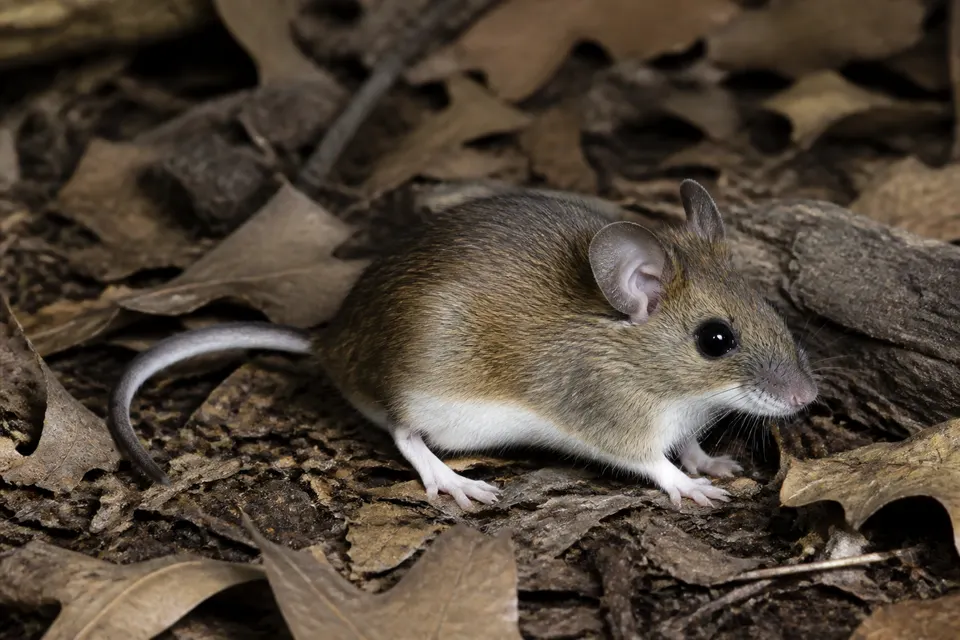
How to identify White-footed mouse
- White feet and underparts, tawny back, large eyes, tail shorter than some deer mice but still bicolored.
- Nests in woodpiles, stone walls, and sheds more than city apartments.
Signs of an infestation
- Droppings in a woodshed.
- Nests in stored camping gear.
- Tick habitat overlap: leaf litter and stone walls.
Biology and why they show up
They cache seeds, climb well, and use stone walls as highways. Populations track acorn mast. They are not the commensal kitchen mouse of Manhattan — but they will use a Cape Cod garage.
Health and property risk
Tick-borne disease ecology outdoors. Indoor contamination similar to other mice. Hantavirus is more a deer-mouse headline in the West, but you still do not dry-sweep nests.
Proven control sequence
Work in this order. Skipping inspection or exclusion is why most “treatments” bounce back in a week.
- Seal the shed and garage. Same 6 mm rule as house mice. Weatherstrip. Screen vents.
- Move woodpiles. Off the ground and away from the foundation. You are also reducing tick and carpenter-ant habitat.
- Trap in boxes. Snap traps on edges. Keep children out of the shed during a trapping week.
- Do not broadcast rodenticide as “Lyme control”. Non-target raptors and scavengers pay for that idea. Use CDC tick prevention instead.
Matching tools for these steps can be bought on Amazon. Buy the field kit.
Tools for white-footed mice in structures
Same trapping-and-exclusion logic as other wild mice that enter buildings. Identify first — this is not always a house mouse.
As an Amazon Associate, Pest Kill earns from qualifying purchases. The EPA label is the law for any pesticide. These links match the sequence on this page — they are not a shopping list instead of identification. Details: advertising disclosure. Browse the full tools catalog.

Hardware
Victor M150 metal-pedal mouse snap traps (12-pack)
Placement beats brand: perpendicular to the wall, on the runway, enough traps. Peanut butter stays on the pedal. A 12-pack is the right unit, not one trap in the middle of the room.
Hardware
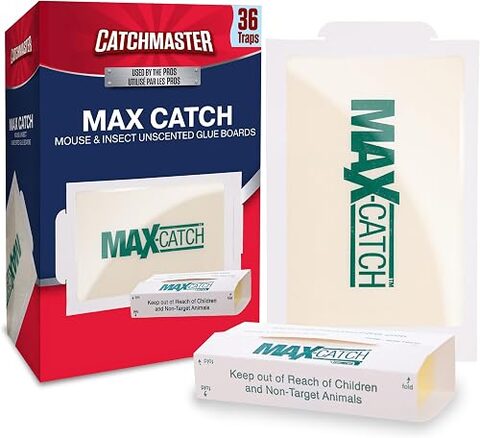
Catchmaster mouse and insect glue traps
Pre-baited boards for mice and crawling insects. Set on the runway, not in the middle of the room. Same child-and-pet caution as any glue tray.
Hardware
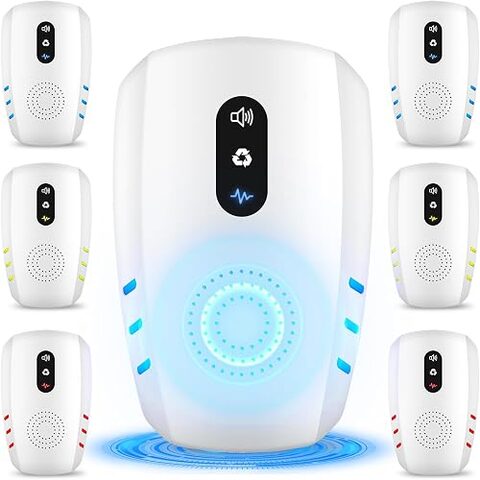
Ultrasonic pest repeller (plug-in)
Plug-in sound units sold for rodents, cockroaches, and other indoor pests. Cover more than one room if that is how the house is laid out. Read the pack for pet and hearing notes.

Hardware
Copper mesh for rodent gaps
Stuff quarter-sized and smaller holes after you know the runways. Steel wool rusts and gets pulled out. Mesh is not a substitute for a door sweep on a half-inch gap.
Prevention that actually sticks
- Store bird seed in sealed cans.
- Clear leaf litter at the lawn–woods edge if you are managing ticks.
When to hire a licensed professional
A Lyme-endemic property needs a clinician’s tick advice and possibly a landscaper who understands CDC yard recommendations. A pest operator for indoor mice is a separate ticket.
Traps or poison?
Inside occupied rooms, snap traps plus exclusion are the usual first choice for White-footed mice: you confirm the kill and you do not leave a poisoned carcass in a wall. Glue boards are a welfare and non-target problem and are restricted in some places. Rodenticides belong in labeled, tamper-resistant stations — typically outdoors — after sanitation. Indoor baiting is how pets get hurt and how vacation rentals get a smell that lasts weeks. Ultrasonic gadgets do not replace a door sweep. The rodent trapping and rodent baiting method pages cover placement and label law.
What a professional visit costs in the US
Typical residential rodent service often lands around $150–$400 for inspection and first treatment, with follow-ups and exclusion extra. Attics, sewers, food facilities, and apartment stacks cost more. Ask for the species, the runway map, and any product names. Monthly spraying with no findings is a subscription, not control.
United States and Tier 1 notes
New England, Mid-Atlantic, and Great Lakes woodlands. Less relevant as an indoor pest in desert Southwest cities, where pack rats and house mice dominate different niches.
Common questions
Will killing mice stop Lyme disease on my property?
Lyme risk is ticks, hosts, and your behavior in habitat. CDC emphasizes personal protection and landscaping. A poison campaign is not a medical plan.
Can I get rid of White-footed mice without poison?
Yes. Inside occupied buildings, sanitation, metal exclusion, and snap traps on runways are the first tools. Indoor baiting leaves carcasses in walls and raises pet and child risk. The EPA label is the law if you still use a rodenticide — typically in outdoor tamper-resistant stations after food sources are cut. See the rodent trapping and rodent baiting method pages.
How much does professional rodent control cost in the United States?
There is no national rate card. Typical residential visits often land around $150–$400 for inspection and first service, with follow-ups extra. Exclusion, attic access, sewer cameras, and multi-family buildings cost more. Get species, runways, and product names in writing. Monthly spraying with no findings is not IPM.
When should I stop DIY and hire a licensed operator?
A Lyme-endemic property needs a clinician’s tick advice and possibly a landscaper who understands CDC yard recommendations. A pest operator for indoor mice is a separate ticket.
Do ultrasonic pest repellers work?
There is no reliable evidence that plug-in ultrasonic gadgets replace exclusion and trapping. Fix the hole. Put traps on the runway.