PK-R01 · Rodents
How to get rid of Norway rats
Rattus norvegicus
Not sure which species you have? Start with How to get rid of rats, then come back to this page for the full sequence.
The Norway rat is the heavy, ground-dwelling commensal rat of US cities. It does not “decide” to live in your house so much as it follows a gradient of garbage, grease, and broken laterals. Adults are blunt-nosed, small-eared, and built for burrows under slabs, dumpsters, and riverbanks. If you are seeing a large rat on a fence at dusk, you may have a roof rat instead — the control map is different. Norway rats swim, they use sewer lines, and they will gnaw through poor-quality foam like food. CDC treats rodent control as a sanitation and exclusion problem with disease in the background (leptospirosis, salmonellosis, rat-bite fever, and contaminated food). Poison on an apartment floor is how pets get hurt. Traps on runways plus sealed dumpsters plus repaired gaps are how cities actually drop counts.
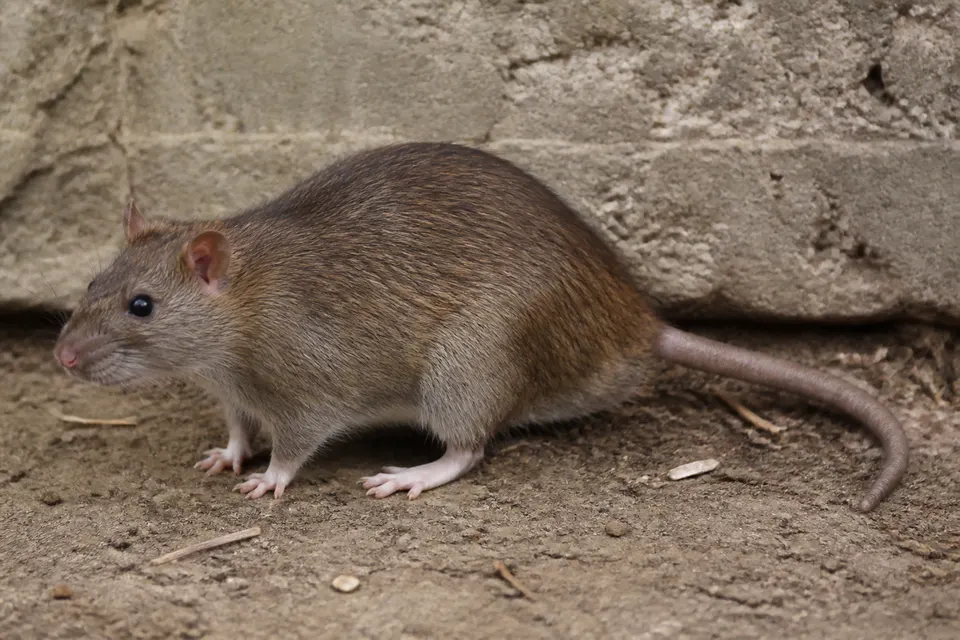
How to identify Norway rat
- Body 7–10 inches plus a shorter, scaly tail; overall look is heavy and coarse, not sleek.
- Snout blunt; ears small relative to a roof rat; droppings capsule-shaped about 3/4 inch.
- Burrows along foundations, under debris, and in earthen banks; greasy rub marks along walls at ground level.
- Prefers lower third of a building: basements, crawlspaces, alley grade, and sewers.
Signs of an infestation
- Fresh burrows with smooth lips at dumpster pads and slab edges.
- Gnawing on plastic bins, door bottoms, and electrical conduit.
- Noises in lower walls, not the attic ridge.
- Capsule droppings and a stale, musky odor in closed rooms.
Biology and why they show up
Norway rats are nocturnal, social, and neophobic: new traps get ignored until they become furniture. They breed year-round in heated cities. A female can wean multiple litters a year. They forage close to cover and will commute from a burrow to a grease dumpster if the route is dark. They need water more than house mice do, which is why leaks and pet bowls matter.
Health and property risk
Public-health risk is real: they contaminate food, they bite when cornered, and they are a reservoir conversation for several pathogens. Property risk is gnawing (including wires) and burrowing that undermines slabs and banks. Secondary poisoning of owls and pets is why indoor baiting is a last resort.
Proven control sequence
Work in this order. Skipping inspection or exclusion is why most “treatments” bounce back in a week.
- Stop the calories. Close dumpsters, wash grease, bring pet food in at night, and fix fruit on the ground. If the alley feeds them better than your bait, you lose.
- Map runways and burrows. Walk at dawn. Mark burrows, rub marks, and the exact gap under a door. That map is the treatment.
- Exclude with metal. Seal gaps larger than 1/2 inch with hardware cloth, mortar, or metal flashing. Foam alone fails. Door sweeps on the alley door are not optional.
- Trap on the edge. Use heavy snap traps perpendicular to walls on runways, in locked boxes if children or pets are present. Pre-bait for shy rats. Check daily.
- Outdoor bait only if labeled and contained. Tamper-resistant stations, mapped, after sanitation. Indoor baiting leaves carcasses in walls. Read the EPA label; NPIC explains rodenticide risk to pets and wildlife.
Matching tools for these steps can be bought on Amazon. Buy the field kit.
Tools for a Norway rat job
Larger traps, more of them, on the floor-level runway. Seal the door gap that is feeding the dumpster pad. Rat glue boards and a plug-in repeller are listed as well.
As an Amazon Associate, Pest Kill earns from qualifying purchases. The EPA label is the law for any pesticide. These links match the sequence on this page — they are not a shopping list instead of identification. Details: advertising disclosure. Browse the full tools catalog.
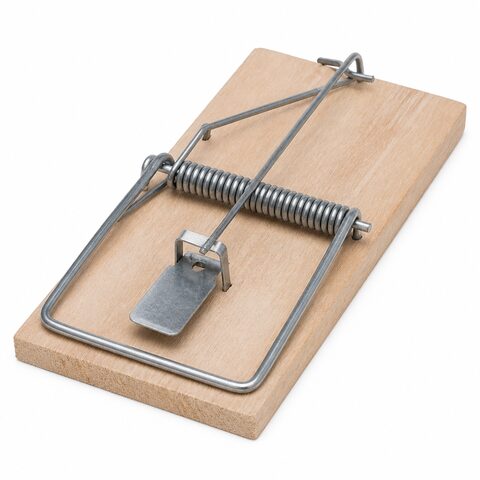
Hardware
Victor M326 rat snap traps (2-pack)
Rats need a larger trap than mice. Set several along the actual runway, in boxes if pets or children use the room. Pre-bait unset for a night if they are shy.
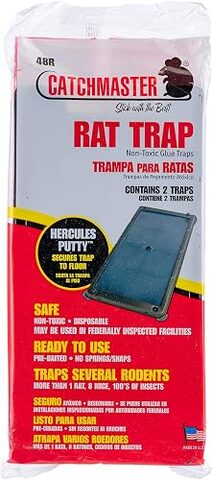
Hardware
Catchmaster 48R rat-size glue boards (2-pack)
Rat-sized trays for floor runways where you want a catch without a snap trap. Place along walls. Keep out of reach of children and pets; vegetable oil releases the adhesive if something else sticks.
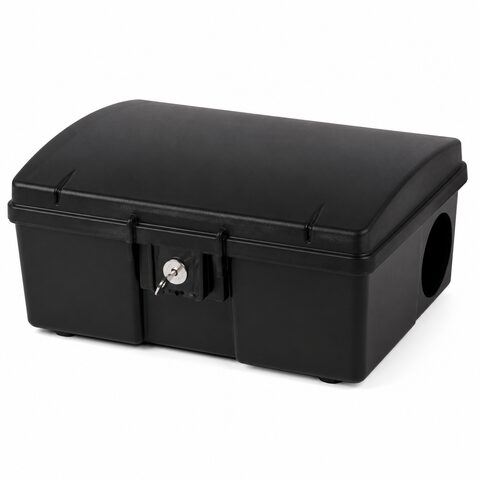
Hardware
Tamper-resistant rodent bait station
Outdoor stations hold labeled bait off children, pets, and weather. The station is not the bait. Indoor poison bricks still do not belong on a kitchen floor.
Hardware
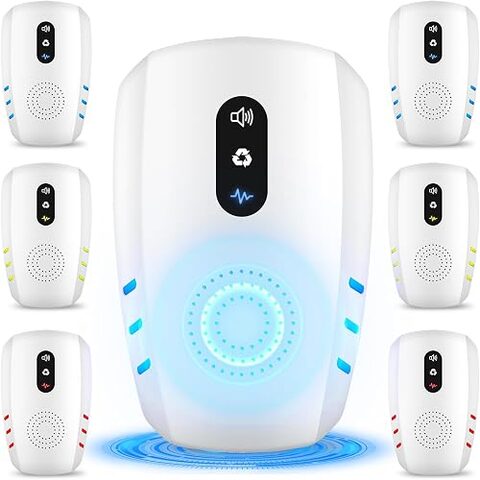
Ultrasonic pest repeller (plug-in)
Plug-in sound units sold for rodents, cockroaches, and other indoor pests. Cover more than one room if that is how the house is laid out. Read the pack for pet and hearing notes.
Hardware
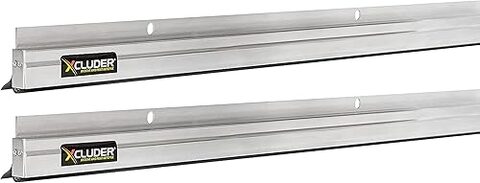
Door sweep / garage threshold seal
The gap under an alley or garage door feeds more rats than a bait station on the wrong wall. Measure the gap. A sweep is exclusion, not a gadget.
Hardware
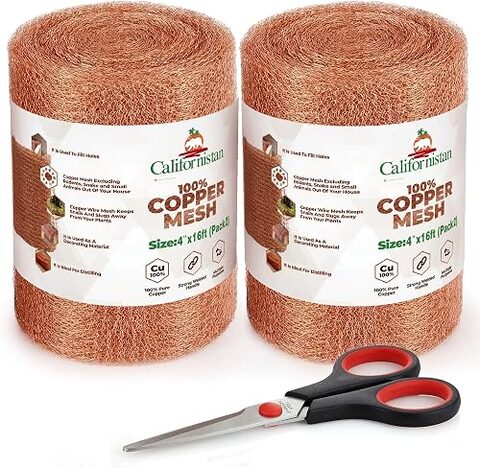
Copper mesh for rodent gaps
Stuff quarter-sized and smaller holes after you know the runways. Steel wool rusts and gets pulled out. Mesh is not a substitute for a door sweep on a half-inch gap.
Hardware
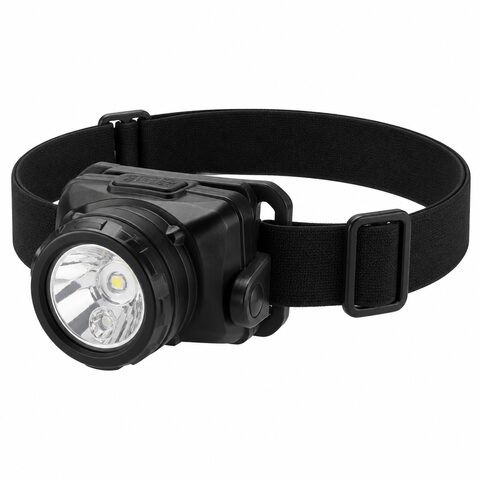
Headlamp or flashlight for inspections
German cockroaches, rodent runways, and bed-bug harborages are night-shift jobs. A light you can point into a hinge beats another can of spray.
Prevention that actually sticks
- Keep a 18–24 inch vegetation-free inspection strip at the foundation where practical.
- Elevate firewood and debris off soil.
- Repair broken sewer laterals — a professional camera job if rats persist with no obvious food.
- Do not feed feral animals in a way that also feeds rats.
When to hire a licensed professional
Hire a licensed operator when rats are in a multi-family building, a food facility, or when burrows undermine a structure. Cities sometimes run their own programs (New York is the famous example) with rules you must not contradict. Drain work is a plumber plus pest operator conversation.
Traps or poison?
Inside occupied rooms, snap traps plus exclusion are the usual first choice for Norway rats: you confirm the kill and you do not leave a poisoned carcass in a wall. Glue boards are a welfare and non-target problem and are restricted in some places. Rodenticides belong in labeled, tamper-resistant stations — typically outdoors — after sanitation. Indoor baiting is how pets get hurt and how vacation rentals get a smell that lasts weeks. Ultrasonic gadgets do not replace a door sweep. The rodent trapping and rodent baiting method pages cover placement and label law.
What a professional visit costs in the US
Typical residential rodent service often lands around $150–$400 for inspection and first treatment, with follow-ups and exclusion extra. Attics, sewers, food facilities, and apartment stacks cost more. Ask for the species, the runway map, and any product names. Monthly spraying with no findings is a subscription, not control.
United States and Tier 1 notes
Every US metro has Norway rats; pressure is highest in older sewer cities and ports. In the Sun Belt they still occupy irrigation and dumpster landscapes. Canada, the UK, and the EU share the same species. Singapore and Japan treat urban rats as infrastructure pests — sanitation codes are stricter than a typical US suburb.
Common questions
Will a cat solve a Norway rat problem?
A cat may catch a juvenile. An established rat colony with a dumpster is not a cat job. Exclusion and sanitation still decide the outcome.
I only see them at night. Are they gone by day?
No. You are seeing a fraction of nocturnal activity. Inspect burrows and lower walls in daylight.
Are they the same as roof rats?
No. Roof rats are slimmer, longer-tailed, and arboreal. Bait stations on the ground miss attic roof rats.
Can I get rid of Norway rats without poison?
Yes. Inside occupied buildings, sanitation, metal exclusion, and snap traps on runways are the first tools. Indoor baiting leaves carcasses in walls and raises pet and child risk. The EPA label is the law if you still use a rodenticide — typically in outdoor tamper-resistant stations after food sources are cut. See the rodent trapping and rodent baiting method pages.
How much does professional rodent control cost in the United States?
There is no national rate card. Typical residential visits often land around $150–$400 for inspection and first service, with follow-ups extra. Exclusion, attic access, sewer cameras, and multi-family buildings cost more. Get species, runways, and product names in writing. Monthly spraying with no findings is not IPM.
When should I stop DIY and hire a licensed operator?
Hire a licensed operator when rats are in a multi-family building, a food facility, or when burrows undermine a structure. Cities sometimes run their own programs (New York is the famous example) with rules you must not contradict. Drain work is a plumber plus pest operator conversation.
Do ultrasonic pest repellers work?
There is no reliable evidence that plug-in ultrasonic gadgets replace exclusion and trapping. Fix the hole. Put traps on the runway.