PK-R06 · Rodents
How to get rid of Pack rats (woodrat)
Neotoma spp.
Pack rats build middens — stick-and-cactus condominiums — against walls, in engine bays, and in attics in the Southwest. They “trade” shiny objects, which is folklore with a true caching habit underneath. The pest problem is gnawing (including vehicle wiring), mite and tick associates around nests, and the occasional indoor invasion. Poisoning a midden against a house without removing the nest and sealing the gap leaves the next woodrat a furnished apartment. Control is nest removal with protection from cactus and mites, trapping, and exclusion, plus moving rock piles away from siding.

How to identify Pack rat (woodrat)
- Larger than a house mouse, furred tail, big ears, native rodent look — not a sleek commensal rat.
- Stick nests (middens) at foundations, in cholla, in attics, and in unused vehicles.
Signs of an infestation
- A stick house against stucco.
- Wiring chewed in a car parked under a mesquite.
- Droppings and debris on a porch roof.
Biology and why they show up
Mostly nocturnal. Territorial middens can be used for years. They collect debris. They do not need a dumpster the way Norway rats do; they need cover and a structure to lean on.
Health and property risk
Fire risk from wiring, mite bites around nests, and in some regions tick exposure near middens. Not a typical urban sewer-disease story.
Proven control sequence
Work in this order. Skipping inspection or exclusion is why most “treatments” bounce back in a week.
- Remove the midden. Gloves, eye protection, and bag the nest. Watch for cactus spines and associated arthropods. Do not dry-sweep in enclosed spaces.
- Trap the resident. Snap or live traps as local law allows, placed at the nest and along walls. Relocating wildlife may be illegal — check the state.
- Seal and lift habitat. Block attic and crawl entries. Move firewood and rock piles. Cap the engine bay of stored vehicles with traps or professional rodent parking protocols.
- Skip mystery poisons in desert yards. Pets, owls, and kids meet bait before the woodrat does.
Matching tools for these steps can be bought on Amazon. Buy the field kit.
Tools for a pack-rat (woodrat) job
Bulky nests, cactus and stick middens, often a vehicle or outbuilding. Trap on the runway, then close the hole with metal — not foam.
As an Amazon Associate, Pest Kill earns from qualifying purchases. The EPA label is the law for any pesticide. These links match the sequence on this page — they are not a shopping list instead of identification. Details: advertising disclosure. Browse the full tools catalog.
Hardware
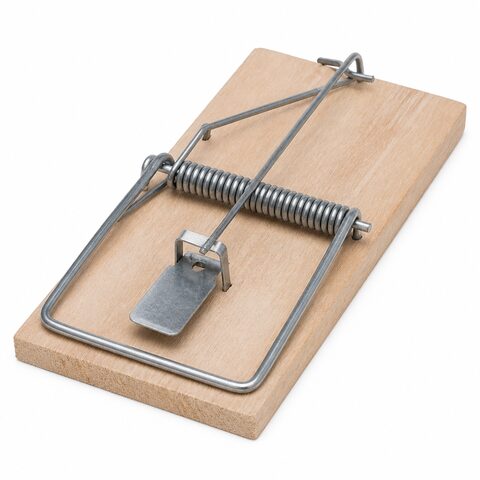
Victor M326 rat snap traps (2-pack)
Rats need a larger trap than mice. Set several along the actual runway, in boxes if pets or children use the room. Pre-bait unset for a night if they are shy.
Hardware
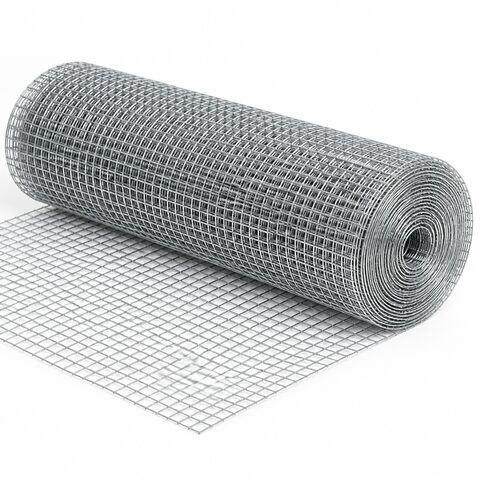
1/4-inch galvanized hardware cloth
Cut patches for vents, soffits, and the gaps foam cannot hold. Quarter-inch mesh stops mice; rats need a heavier gauge and no loose edges. Fasten to wood or masonry, then seal the rim.

Hardware
Copper mesh for rodent gaps
Stuff quarter-sized and smaller holes after you know the runways. Steel wool rusts and gets pulled out. Mesh is not a substitute for a door sweep on a half-inch gap.
Hardware
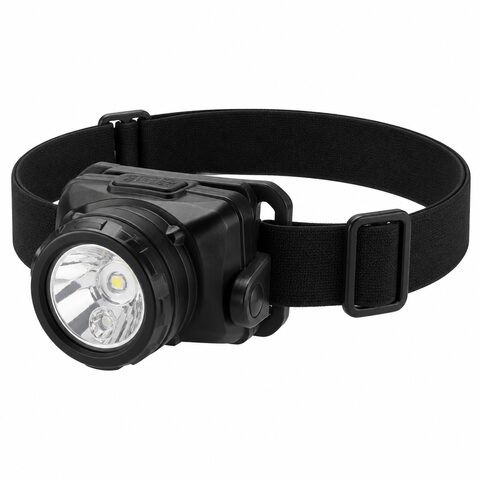
Headlamp or flashlight for inspections
German cockroaches, rodent runways, and bed-bug harborages are night-shift jobs. A light you can point into a hinge beats another can of spray.
Prevention that actually sticks
- Park away from heavy brush when possible; check engine bays.
- Keep a clear band at the foundation.
When to hire a licensed professional
Attic middens in occupied housing and vehicle fleets (dealerships, rentals) are professional jobs. Allergic reactions to mites after nest tearing deserve medical care.
Traps or poison?
Inside occupied rooms, snap traps plus exclusion are the usual first choice for Pack rats (woodrat): you confirm the kill and you do not leave a poisoned carcass in a wall. Glue boards are a welfare and non-target problem and are restricted in some places. Rodenticides belong in labeled, tamper-resistant stations — typically outdoors — after sanitation. Indoor baiting is how pets get hurt and how vacation rentals get a smell that lasts weeks. Ultrasonic gadgets do not replace a door sweep. The rodent trapping and rodent baiting method pages cover placement and label law.
What a professional visit costs in the US
Typical residential rodent service often lands around $150–$400 for inspection and first treatment, with follow-ups and exclusion extra. Attics, sewers, food facilities, and apartment stacks cost more. Ask for the species, the runway map, and any product names. Monthly spraying with no findings is a subscription, not control.
United States and Tier 1 notes
Arizona, New Mexico, Texas west, Nevada, Utah, Southern California. Less a Boston brownstone story. Australia has different native rodents — do not import US tactics blindly.
Common questions
Will mothballs in a car engine stop pack rats?
Unreliable, and enclosed vehicle cabins can concentrate fumes. Trapping plus parking location plus deterrents designed for engine bays are the adult approach.
Can I get rid of Pack rats (woodrat) without poison?
Yes. Inside occupied buildings, sanitation, metal exclusion, and snap traps on runways are the first tools. Indoor baiting leaves carcasses in walls and raises pet and child risk. The EPA label is the law if you still use a rodenticide — typically in outdoor tamper-resistant stations after food sources are cut. See the rodent trapping and rodent baiting method pages.
How much does professional rodent control cost in the United States?
There is no national rate card. Typical residential visits often land around $150–$400 for inspection and first service, with follow-ups extra. Exclusion, attic access, sewer cameras, and multi-family buildings cost more. Get species, runways, and product names in writing. Monthly spraying with no findings is not IPM.
When should I stop DIY and hire a licensed operator?
Attic middens in occupied housing and vehicle fleets (dealerships, rentals) are professional jobs. Allergic reactions to mites after nest tearing deserve medical care.
Do ultrasonic pest repellers work?
There is no reliable evidence that plug-in ultrasonic gadgets replace exclusion and trapping. Fix the hole. Put traps on the runway.