PK-R03 · Rodents
How to get rid of House mice
Mus musculus
Not sure which species you have? Start with How to get rid of mice, then come back to this page for the full sequence.
House mice succeed because they need almost no water beyond the moisture in food, they fit through a 6 mm gap, and they treat cardboard as both pantry and nesting material. Droppings are small and pointed, not the capsules of Norway rats. A “mouse problem” that is actually deer mice in a western cabin is a hantavirus cleaning protocol, not a cute snap-trap anecdote — identify the rodent. For Mus musculus in a typical US kitchen, the proven sequence is exclusion, sanitation, and a lot of traps on edges. Two traps in the middle of a room is how people decide mice are clever. They are not clever. You are under-trapping.
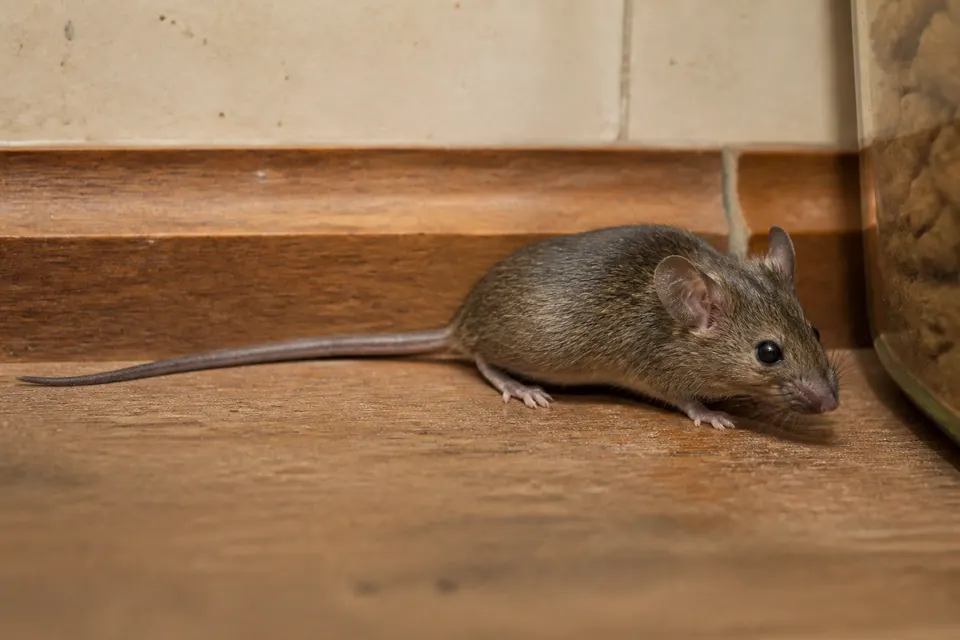
How to identify House mouse
- Small (head-body about 3 inches), large ears, pointed snout, nearly hairless tail about as long as the body.
- Droppings 1/8–1/4 inch, rod-shaped with pointed ends, scattered along runways.
- Fine gnaw marks on packages; musky odor in heavy infestations.
- Nests of shredded paper in wall voids, appliances, and unused drawers.
Signs of an infestation
- Nocturnal scratching in walls and cabinets.
- Holes in cereal, chocolate, and pet food bags.
- Grease smears near a 1/4-inch gap at a pipe under the sink.
- Live sightings at dusk in kitchens.
Biology and why they show up
House mice are curious more than neophobic compared with rats, which is why they enter traps more readily — if the traps sit on their actual paths. They breed at high rates in warm buildings. They contaminate far more food than they eat. They can live in a stove’s insulation.
Health and property risk
Salmonella and other foodborne contamination, allergic responses to proteins in droppings in some people, and wire gnawing. They are not the primary hantavirus reservoir in the US West — that conversation belongs to deer mice — but you still do not dry-sweep piles of droppings.
Proven control sequence
Work in this order. Skipping inspection or exclusion is why most “treatments” bounce back in a week.
- Seal the pencil-width holes. Copper mesh plus sealant at pipes, door sweeps, and garage weatherstrip. If a pencil fits, a mouse is considering it.
- Remove food and nesting. Gasketed containers for dry goods and pet food. Recycle cardboard nests.
- Trap densely on edges. Many snap traps along walls, behind the stove, and in the garage. Bait with a pea of peanut butter or a cotton nest lure. Check daily.
- Do not start with indoor poison. Carcasses in stoves smell. Children and pets reach bait. EPA tightened consumer rodenticide formats for this reason.
- Monitor after the crash. Leave a few traps out. Mice reinvade through the gap you missed.
Matching tools for these steps can be bought on Amazon. Buy the field kit.
Tools for a house-mouse job
Snap traps on the runway, then close the gaps. Glue boards and a plug-in repeller are in the kit if you want those too.
As an Amazon Associate, Pest Kill earns from qualifying purchases. The EPA label is the law for any pesticide. These links match the sequence on this page — they are not a shopping list instead of identification. Details: advertising disclosure. Browse the full tools catalog.

Hardware
Victor M150 metal-pedal mouse snap traps (12-pack)
Placement beats brand: perpendicular to the wall, on the runway, enough traps. Peanut butter stays on the pedal. A 12-pack is the right unit, not one trap in the middle of the room.
Hardware
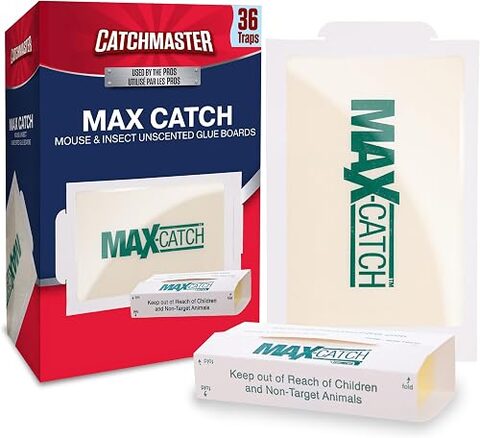
Catchmaster mouse and insect glue traps
Pre-baited boards for mice and crawling insects. Set on the runway, not in the middle of the room. Same child-and-pet caution as any glue tray.

Hardware
Ultrasonic pest repeller (plug-in)
Plug-in sound units sold for rodents, cockroaches, and other indoor pests. Cover more than one room if that is how the house is laid out. Read the pack for pet and hearing notes.
Hardware
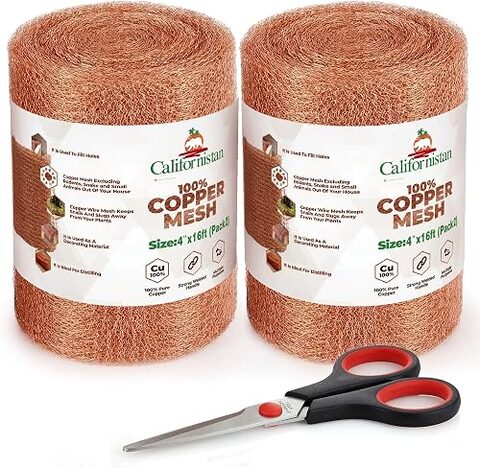
Copper mesh for rodent gaps
Stuff quarter-sized and smaller holes after you know the runways. Steel wool rusts and gets pulled out. Mesh is not a substitute for a door sweep on a half-inch gap.
Hardware
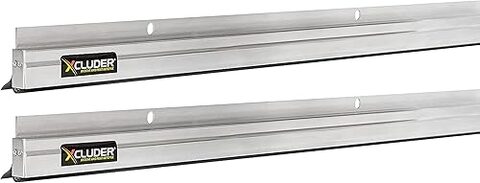
Door sweep / garage threshold seal
The gap under an alley or garage door feeds more rats than a bait station on the wrong wall. Measure the gap. A sweep is exclusion, not a gadget.
Hardware
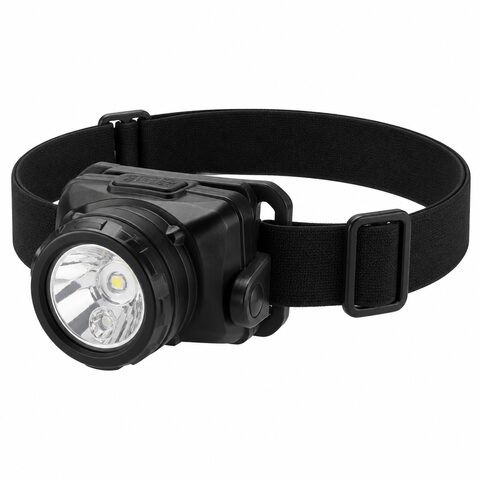
Headlamp or flashlight for inspections
German cockroaches, rodent runways, and bed-bug harborages are night-shift jobs. A light you can point into a hinge beats another can of spray.
Prevention that actually sticks
- Nightly pet food pickup.
- Seal the garage-to-house door as if it were an exterior door.
- Keep bird seed in metal cans, not bags on a floor.
When to hire a licensed professional
Food plants, hospitals, and apartments with shared walls need a documented IPM program. A single unit in a stack will rebound from neighbors.
Traps or poison?
Inside occupied rooms, snap traps plus exclusion are the usual first choice for House mice: you confirm the kill and you do not leave a poisoned carcass in a wall. Glue boards are a welfare and non-target problem and are restricted in some places. Rodenticides belong in labeled, tamper-resistant stations — typically outdoors — after sanitation. Indoor baiting is how pets get hurt and how vacation rentals get a smell that lasts weeks. Ultrasonic gadgets do not replace a door sweep. The rodent trapping and rodent baiting method pages cover placement and label law.
What a professional visit costs in the US
Typical residential rodent service often lands around $150–$400 for inspection and first treatment, with follow-ups and exclusion extra. Attics, sewers, food facilities, and apartment stacks cost more. Ask for the species, the runway map, and any product names. Monthly spraying with no findings is a subscription, not control.
United States and Tier 1 notes
National in the US and all Tier 1 countries listed on this site. In grain regions of the Midwest and Canada, farm mice and house mice blur at the mudroom. UK and EU food premises treat Mus musculus as a hygiene legal issue, not a nuisance.
Common questions
I caught one. Am I done?
Usually not. House mice live in groups. Keep trapping and sealing.
Do mint-oil cotton balls work?
They perfume a cabinet. They do not exclude a 6 mm gap. Seal the hole.
Can I get rid of House mice without poison?
Yes. Inside occupied buildings, sanitation, metal exclusion, and snap traps on runways are the first tools. Indoor baiting leaves carcasses in walls and raises pet and child risk. The EPA label is the law if you still use a rodenticide — typically in outdoor tamper-resistant stations after food sources are cut. See the rodent trapping and rodent baiting method pages.
How much does professional rodent control cost in the United States?
There is no national rate card. Typical residential visits often land around $150–$400 for inspection and first service, with follow-ups extra. Exclusion, attic access, sewer cameras, and multi-family buildings cost more. Get species, runways, and product names in writing. Monthly spraying with no findings is not IPM.
When should I stop DIY and hire a licensed operator?
Food plants, hospitals, and apartments with shared walls need a documented IPM program. A single unit in a stack will rebound from neighbors.
Do ultrasonic pest repellers work?
There is no reliable evidence that plug-in ultrasonic gadgets replace exclusion and trapping. Fix the hole. Put traps on the runway.