PK-R07 · Rodents
How to get rid of Meadow voles
Microtus pennsylvanicus
Need a look-alike split? Use Yard rodent identification, then follow the control sequence on this page.
Voles are stocky, small-eared, short-tailed grassland rodents that run in surface tunnels through turf. They are not moles (insect eaters, ridge tunnels) and not house mice. The damage is girdled trees, ruined lawn runways after snow melt, and orchard bark death. Snap traps in runways and habitat modification (mowing, tree guards, reducing heavy mulch against trunks) are the proven homeowner tools. Broadcast rodenticide on a lawn is how you poison a dog. Identify the runway: if it is a surface groove in grass, think vole, not mole.
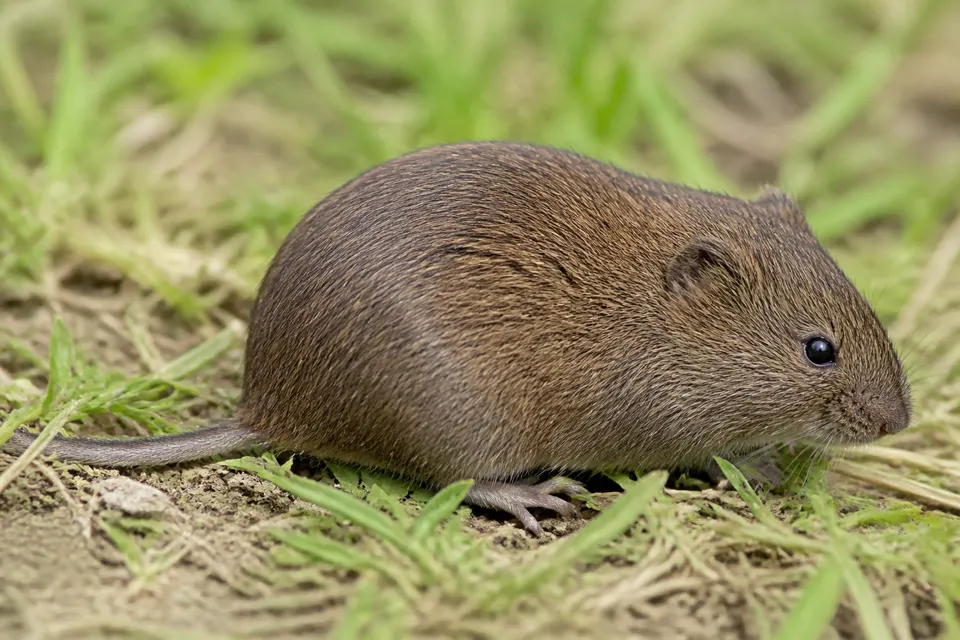
How to identify Meadow vole
- Short tail, small eyes and ears, chunky body, brown to gray.
- Surface runways in grass; holes without molehills.
- Girdling of young trees at snow or mulch line.
Signs of an infestation
- Lawn “highways” visible after snow.
- Tree bark missing in a ring.
- Droppings in runways.
Biology and why they show up
Voles breed rapidly in good grass years. They eat grasses, roots, and bark. Snow is insulation, not protection for your apple whip. They rarely invade kitchens.
Health and property risk
Landscape and orchard loss. Not a primary indoor public-health rodent. Cats and raptors eat them — another reason not to broadcast bait.
Proven control sequence
Work in this order. Skipping inspection or exclusion is why most “treatments” bounce back in a week.
- Confirm it is not a mole. Moles make ridges and eat worms. Voles make surface paths and eat plants. Wrong ID wastes a year of product.
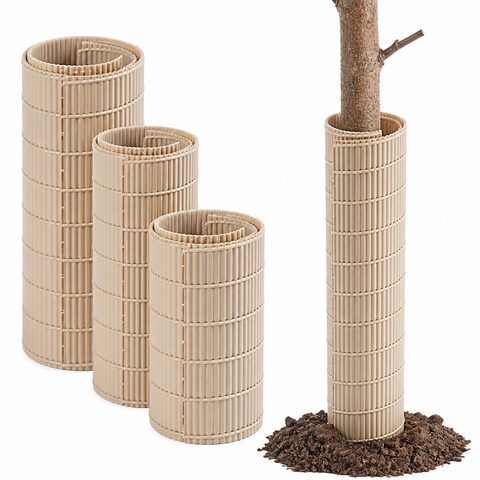
- Mow and pull mulch off trunks. Hardware-cloth cylinders around young trees, buried slightly, tall enough for snow.
- Trap in runways. Mouse-sized snap traps perpendicular to the path, covered to protect pets, baited with apple or peanut butter. Multiple traps.
- Skip the lawn-wide poison. Non-targets. Prefer traps and habitat.
Matching tools for these steps can be bought on Amazon. Buy the field kit.
Tools for meadow voles in turf and orchards
Surface runways in grass, girdled trees. Habitat and guards first. Lawn rodenticide is how dogs get poisoned.
As an Amazon Associate, Pest Kill earns from qualifying purchases. The EPA label is the law for any pesticide. These links match the sequence on this page — they are not a shopping list instead of identification. Details: advertising disclosure. Browse the full tools catalog.
Hardware
Plastic tree guards for voles
Meadow voles girdle young trees under snow and mulch. A guard at the trunk beats broadcasting rodenticide on a lawn. Keep mulch pulled back from the bark. This wrap does not stop pine voles on roots.

Hardware
Victor M150 metal-pedal mouse snap traps (12-pack)
Placement beats brand: perpendicular to the wall, on the runway, enough traps. Peanut butter stays on the pedal. A 12-pack is the right unit, not one trap in the middle of the room.
Hardware
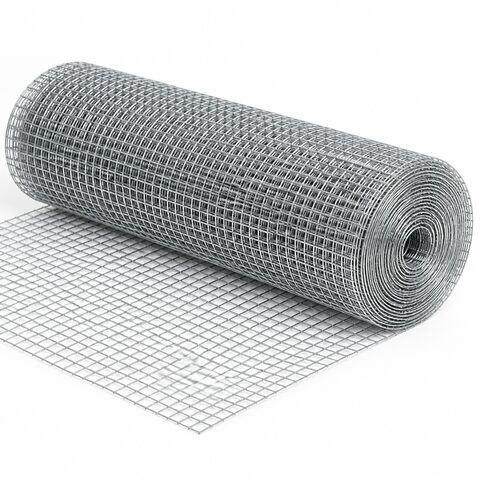
1/4-inch galvanized hardware cloth
Cut patches for vents, soffits, and the gaps foam cannot hold. Quarter-inch mesh stops mice; rats need a heavier gauge and no loose edges. Fasten to wood or masonry, then seal the rim.
Prevention that actually sticks
- Short grass at orchard edges.
- Tree guards before winter.
When to hire a licensed professional
Commercial orchards use an IPM program with monitoring. A homeowner with a few fruit trees can usually trap and guard.
United States and Tier 1 notes
New England lawns, Great Lakes, Canada, mountain meadows. In the South, other Microtus and pine voles (see that entry) dominate orchards. UK field voles are a different species with similar turf logic.
Common questions
Will castor oil sprays stop voles?
Evidence is mixed and short-lived. Tree guards and trapping are more reliable.