PK-R15 · Rodents
How to get rid of Chipmunks
Tamias / Neotamias spp.
Need a look-alike split? Use Yard rodent identification, then follow the control sequence on this page.
Chipmunks are striped, diurnal, and mostly a garden and stone-wall burrow issue. They rarely “infest” a kitchen the way house mice do. They will burrow under concrete stoops and steal bulbs. Control is habitat (less ground cover against foundations), bulb cages, and trapping where legal if a stoop is undermining. Broad lawn baiting is disproportionate. They also move ticks in some landscapes — that is a tick-check issue, not a reason to fog a yard.
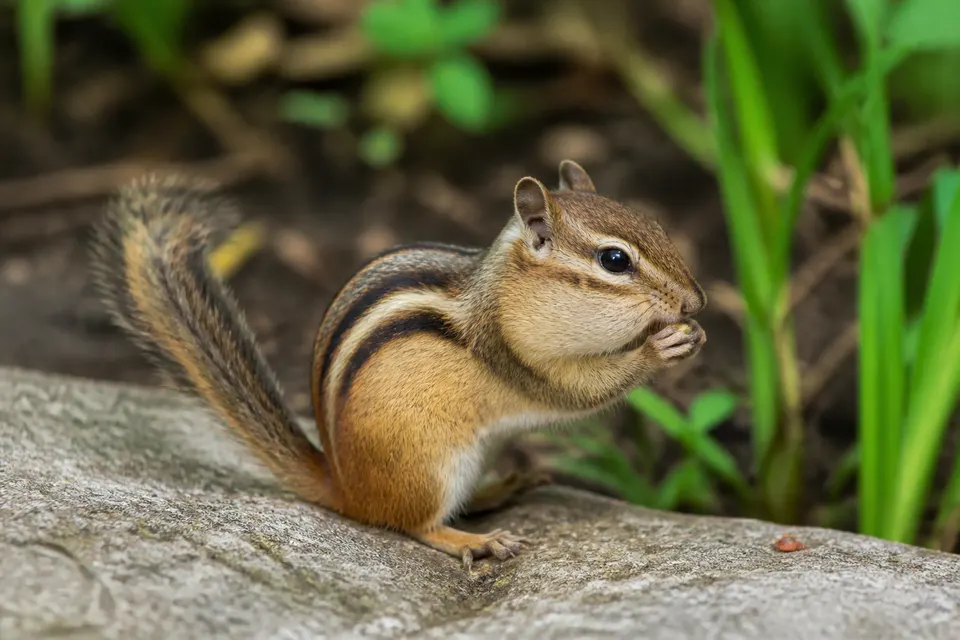
How to identify Chipmunk
- Stripes on back and face, small, diurnal, cheek pouches.
- Clean burrow holes in beds and under steps, often without a large fan of soil.
Signs of an infestation
- Missing crocus bulbs.
- Holes under a sidewalk slab.
- Daytime dashes along a stone wall.
Biology and why they show up
They cache food in burrows. They hibernate or torpor in cold climates. They are territorial around burrows.
Health and property risk
Minor structural undermining, garden loss, possible tick movement. Not a sewer-rat disease analog.
Proven control sequence
Work in this order. Skipping inspection or exclusion is why most “treatments” bounce back in a week.
- Protect bulbs and foundations. Hardware-cloth cages for bulbs. Reduce dense groundcover against the house.
- Trap only if damage is real. Live or lethal as local law allows. A chipmunk in a park is not a pest. A chipmunk emptying a retaining wall drain might be.
- Skip rodenticide broadcasts. Pet and raptor risk for a low-stakes animal.
Matching tools for these steps can be bought on Amazon. Buy the field kit.
Tools for chipmunks at foundations
Burrows along walks and stoops. Live-catch where legal if you will check it. Metal on the gap so the next one does not inherit the hole.
As an Amazon Associate, Pest Kill earns from qualifying purchases. The EPA label is the law for any pesticide. These links match the sequence on this page — they are not a shopping list instead of identification. Details: advertising disclosure. Browse the full tools catalog.
Hardware
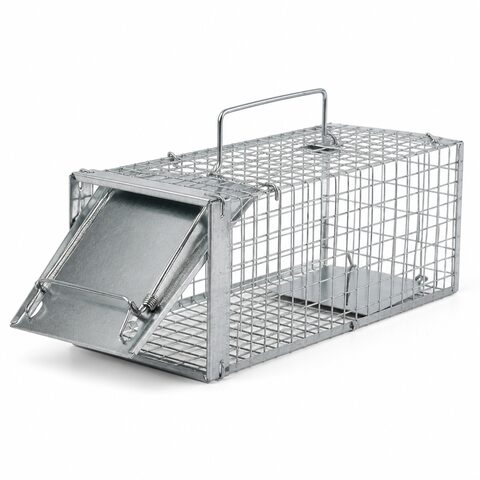
Small live-catch mouse trap
Use only if you will check it often and release far from the structure, where legal. A forgotten live trap is a welfare failure. Snap traps still win for a house-mouse kitchen job.
Hardware
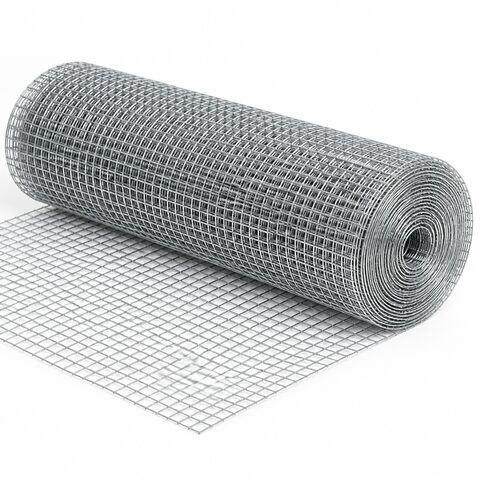
1/4-inch galvanized hardware cloth
Cut patches for vents, soffits, and the gaps foam cannot hold. Quarter-inch mesh stops mice; rats need a heavier gauge and no loose edges. Fasten to wood or masonry, then seal the rim.
Hardware
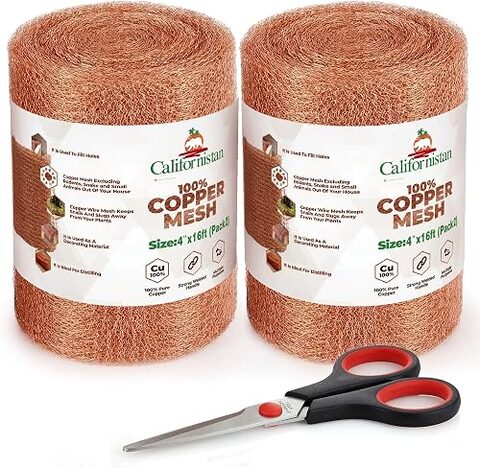
Copper mesh for rodent gaps
Stuff quarter-sized and smaller holes after you know the runways. Steel wool rusts and gets pulled out. Mesh is not a substitute for a door sweep on a half-inch gap.
Prevention that actually sticks
- Store bird seed in cans — you are feeding chipmunks otherwise.
When to hire a licensed professional
Usually unnecessary. If a burrow threatens a foundation drain, a landscaper plus wildlife operator can assess.
United States and Tier 1 notes
New England stone walls to Sierra chipmunks (different genus, similar logic). Not an Australian mammal.
Common questions
Will they become house mice in winter?
They use burrows and sometimes outbuildings. Kitchen Mus musculus is a different species and program.