Termites
Termite identification and control
Termites cause more structural wood damage in the United States than fire, in the sense that the damage is slow, quiet, and often discovered at sale. Subterranean colonies live in soil. Drywood colonies live inside the timber. Formosan termites in the Gulf South are a different scale of problem. A can of spray from a hardware aisle does not treat a colony.
Start with drywood vs subterranean vs dampwood if you have pellets, tubes, or wet wood and do not know which invoice you are about to pay. Licensed inspection is the adult move. These pages exist so you can recognize evidence, stop making the site wetter, and know what a liquid barrier, baiting system, or fumigation is actually for.
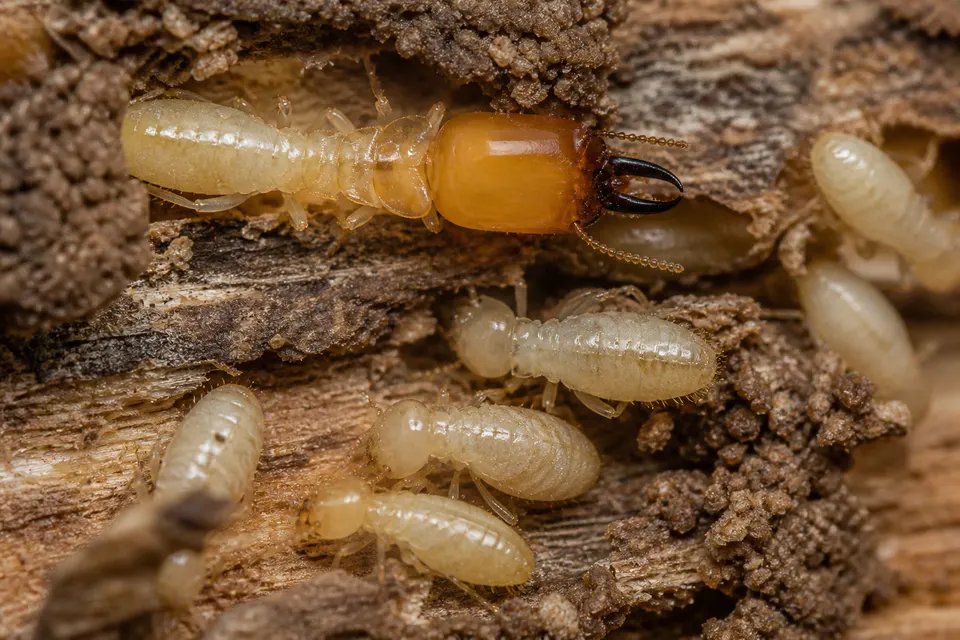
Subterranean termite
Reticulitermes spp. (and related soil-dwelling genera)
Subterranean termites live in soil and build mud shelter tubes to reach wood. They are the default structural termite of the…
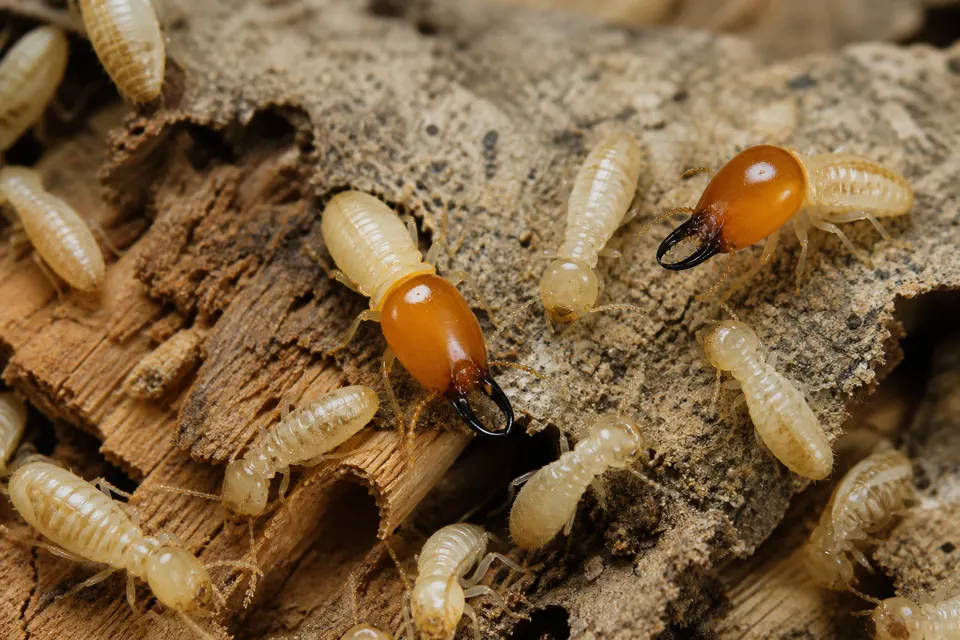
Formosan subterranean termite
Coptotermes formosanus
Formosan termites are an invasive subterranean species that can form enormous colonies, carton nests in walls and trees, and…
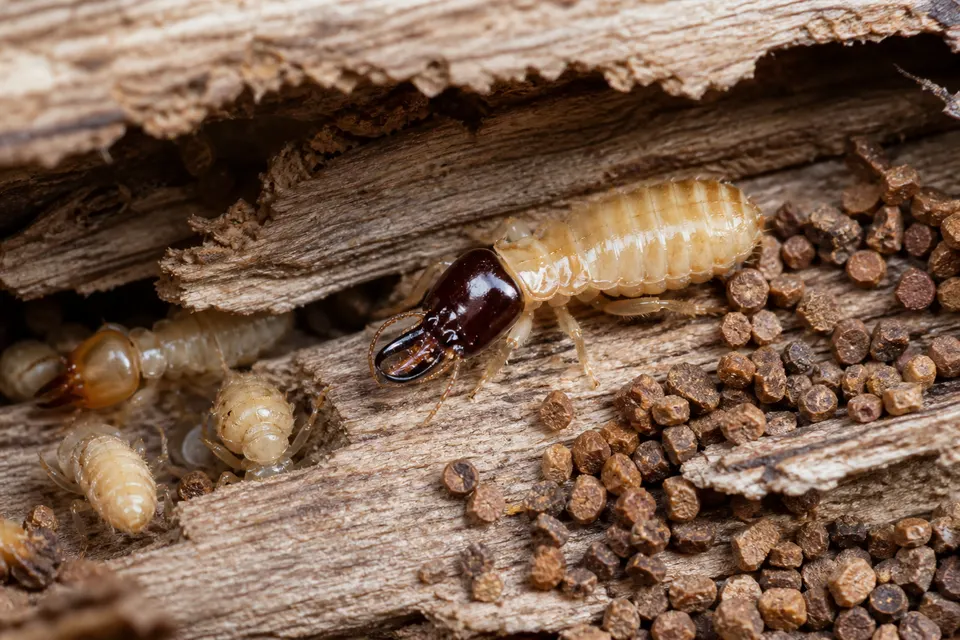
Drywood termite
Kalotermitidae (Incisitermes and others)
Drywood termites live inside the wood. They do not need soil contact. Pellets (frass) that look like tiny sand grains or…
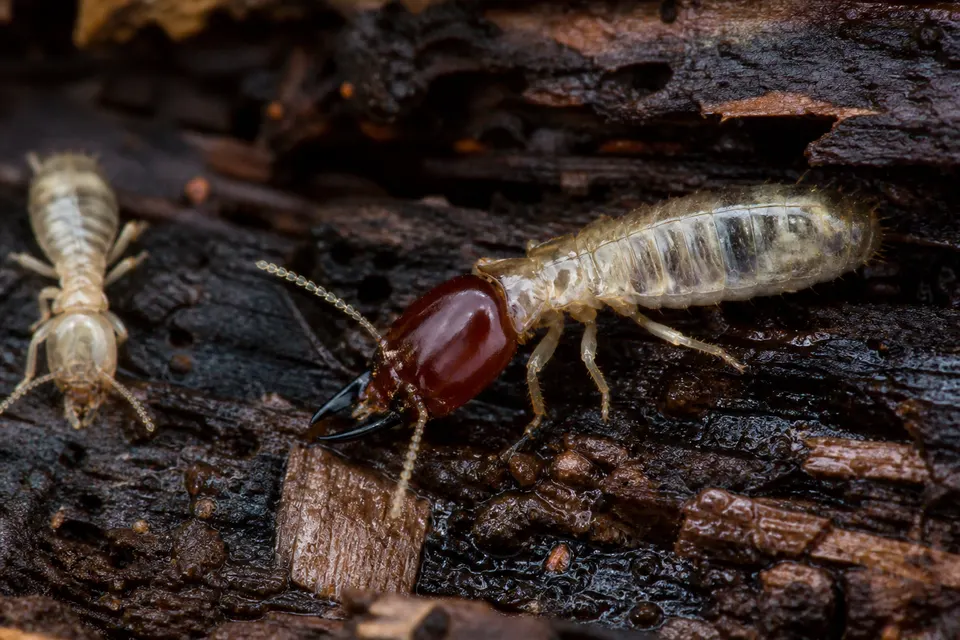
Dampwood termite
Zootermopsis and related genera
Dampwood termites need wet wood. They are often a moisture diagnosis wearing insect wings. Fix the leak, the grade, and the…