PK-T03 · Termites
How to get rid of Drywood termites
Kalotermitidae (Incisitermes and others)
Need a look-alike split? Use Drywood vs subterranean vs dampwood termites, then follow the control sequence on this page.
Drywood termites live inside timber. They do not need soil. Hexagonal fecal pellets under kick-holes are the homeowner clue. A soil bait system will not fix a fascia colony. A licensed inspector maps whether you need localized treatment or whole-structure work. Orange-oil marketing is not a whole-house guarantee.
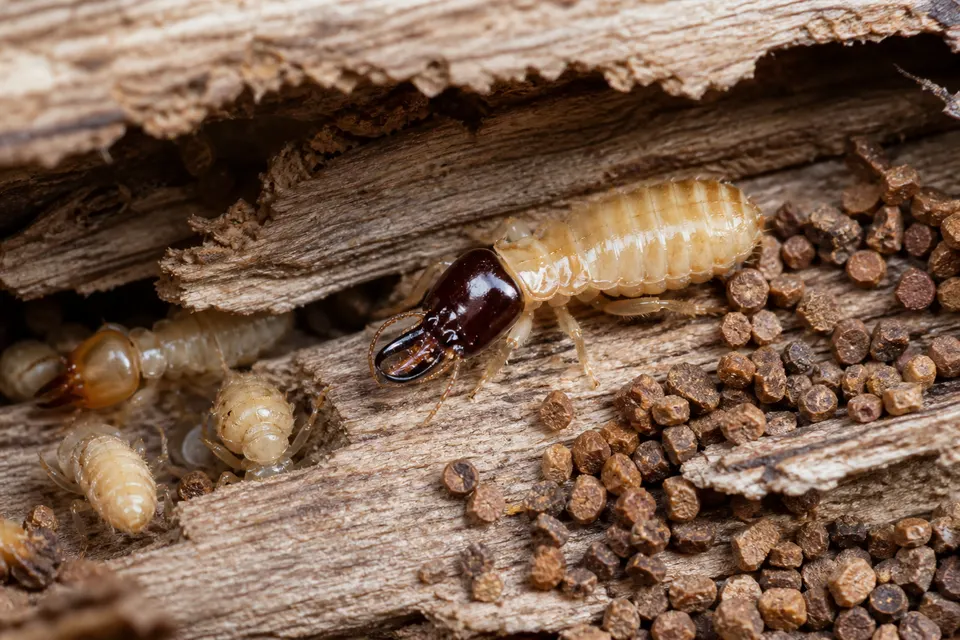
Drywood termites live inside the wood. They do not need soil contact. Pellets (frass) that look like tiny sand grains or hexagonal poppy seeds kicked out of kick-holes are the homeowner clue. Treatment may be localized (spot treatments, heat, microwave, or wood removal) or whole-structure fumigation — a serious operation with neighbors, pets, plants, and food removal. A subterranean bait system in the soil will not fix a colony in a fascia board. California and Florida real estate knows this species well.
How to identify Drywood termite
- Hard fecal pellets piled below tiny holes in wood.
- No soil tubes from the ground (unless another termite is also present).
- Galleries in dry wood, window frames, fascia, and furniture.
- Swarmers often larger-winged; professionals distinguish from subterranean alates.
Signs of an infestation
- Piles of pellets on windowsills.
- Clicking in wood (sometimes).
- Failed fascia and attic framing in warm-coast housing.
Biology and why they show up
Colonies are smaller than Formosan supercolonies but sit inside the timber you are trying to save. They get moisture from wood. Swarmers start new colonies in other wood.
Health and property risk
Structural and furniture loss. Fumigation disruption if that method is chosen. Not a disease vector.
Proven control sequence
Work in this order. Skipping inspection or exclusion is why most “treatments” bounce back in a week.
- Confirm pellets vs carpenter ant debris. Ants dump shredded wood and insect parts. Drywood pellets are uniform and hard. Wrong ID, wrong dollar amount.
- Decide localized vs whole-structure. A licensed inspector maps how many colonies. One fascia is not a tented house by default — and a tented house is not a one-board problem.
- If fumigating, follow the fumigator’s written plan. People, pets, plants, food, medical equipment, neighbors. This is not DIY.
- Replace or treat infested wood. Sometimes the honest repair is carpentry plus prevention (paint, moisture, screens).
Matching tools for these steps can be bought on Amazon. Buy the field kit.
Inspection tools around drywood termites
Pellets in a void, kick-out holes in timber. Fumigation or localized treatment is a professional decision.
As an Amazon Associate, Pest Kill earns from qualifying purchases. The EPA label is the law for any pesticide. These links match the sequence on this page — they are not a shopping list instead of identification. Details: advertising disclosure. Browse the full tools catalog.
Hardware
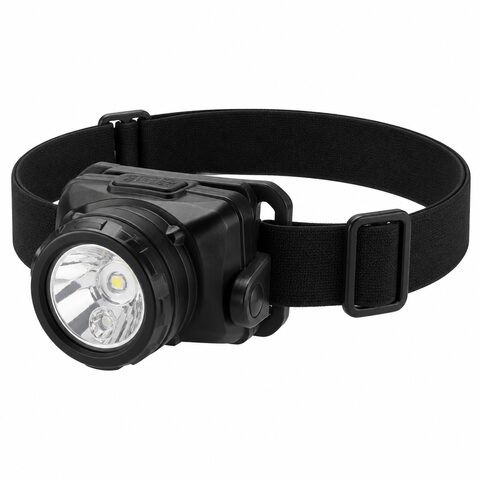
Headlamp or flashlight for inspections
German cockroaches, rodent runways, and bed-bug harborages are night-shift jobs. A light you can point into a hinge beats another can of spray.
Hardware
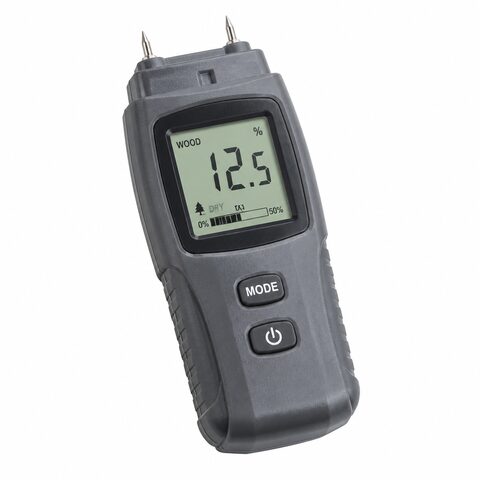
Pin-type wood moisture meter
Damp wood is carpenter-ant and termite language. A meter tells you if the sill, shower wall, or fascia is actually wet before you buy a spray. Wet still needs a building fix.
Pellet and frass identification
Hard fecal pellets that look like tiny sand grains or hexagonal poppy seeds, piled below kick-holes, point to drywood termites. Carpenter ants dump shredded wood and insect parts. Powderpost beetles leave talc-like shot-hole powder. Subterranean termites build mud tubes from soil. Dampwood termites sit in wet, failing wood. Use Drywood vs subterranean vs dampwood termites before you price a tent.
Local vs whole-structure treatment
Inspection has limits: galleries hide in inaccessible framing. One windowsill of pellets is not automatically a tented house — and a tented house is not a one-board problem. Termite prevention and inspection is maintenance after treatment, not a substitute for a colony in the timber.
| Localized | Whole-structure | |
|---|---|---|
| When it fits | Mapped, limited galleries; furniture; a fascia you can replace | Dispersed colonies, inaccessible voids, inspector says tent or whole-house heat |
| Examples | Wood removal, some labeled spot treatments, professional heat of an item | Fumigation or whole-structure heat — licensed, disruptive |
| Will not work | A hardware-aisle spray as colony control | A subterranean soil bait for a colony that never touches soil |
Professional quote checklist
- Written identification: drywood vs subterranean vs carpenter ant vs powderpost beetle.
- Map of evidence: pellets, kick-holes, attic, fascia, furniture.
- Localized vs fumigation vs heat — and why.
- What occupants, pets, plants, food, and neighbors must do if fumigating.
- Repair vs treat: sometimes carpentry is the honest job.
- License and state structural pest control board rules. No internet sulfuryl fluoride.
- Independent inspection if the only quote is a high-pressure tent from a salesperson.
When to hire a licensed professional exists because this is construction-adjacent work, not a retail spray.
Prevention that actually sticks
- Paint and maintain end-grain wood.
- Screen attic vents (swarmers).
- Inspect before buying furniture from unknown storage.
When to hire a licensed professional
Yes for treatment decisions. Fumigation companies are specialized. Heat treatments exist for some structures — also professional.
United States and Tier 1 notes
Southern California industry is large. Florida peninsula. Hawaii. Rare in Vermont yards. Australia has its own drywood species and rules.
Common questions
Will orange oil kill a whole-house infestation?
Localized botanicals are marketed aggressively. Colony-complete control of a dispersed drywood problem is why fumigation and professional heat exist. Get an independent inspection.
Will a spray kill drywood termites?
A consumer surface spray does not treat a colony in the wood. Localized professional products and fumigation exist because of that biology.
How much does termite treatment cost in the United States?
Licensed termite work is a construction-adjacent service, not a retail spray. Liquid barriers, baiting systems, and drywood treatments vary widely by region, foundation type, and whether a repair is included — often from the high hundreds into several thousand dollars. Get a licensed inspection. A hardware-aisle can does not treat a colony.