Termite identification split
Drywood vs subterranean vs dampwood termites
Wrong termite group is a wrong four-figure invoice. Subterranean colonies live in soil and build tubes. Drywood colonies live in the timber and kick out pellets. Dampwood termites are a wet-wood diagnosis. This page routes you. Licensed inspection still wins before anyone tents a house.
Pellets, tubes, swarmers, moisture
| Drywood | Subterranean (incl. many soil-nesting Reticulitermes) | Dampwood | |
|---|---|---|---|
| Where the colony lives | Inside dry timber | Soil, with tubes to wood | Wet logs, leaky sills, failed wood |
| Signature evidence | Hexagonal fecal pellets, kick-holes | Mud tubes, damaged wood with soil | Soft wet wood with termites inside |
| Soil contact needed? | No | Yes (Formosans are a soil/aerial supercolony variant — still not drywood pellets) | Moisture, not a classic tube network |
| Swarmers | Often from wood/attic; pro ID vs ants | From soil tubes or slabs | From wet wood |
| Hardware-aisle spray | Does not treat the colony in the board | Does not treat a soil colony | Misses the leak |
Formosan subterranean termite in the Gulf South is a different scale of subterranean problem. Powderpost beetle is shot-holes and talc, not pellets. Carpenter ants dump shredded wood and insect parts.
Likely treatment path
Drywood: localized vs whole-structure — Drywood termite. Subterranean: barriers, baits, licensed operators — Subterranean termite. Dampwood: stop the water, then insects — Dampwood termite. Moisture control for pest prevention helps every group and is the main dampwood tool.
Species pages
Each species article has the control sequence and safety notes. This page only splits look-alikes.
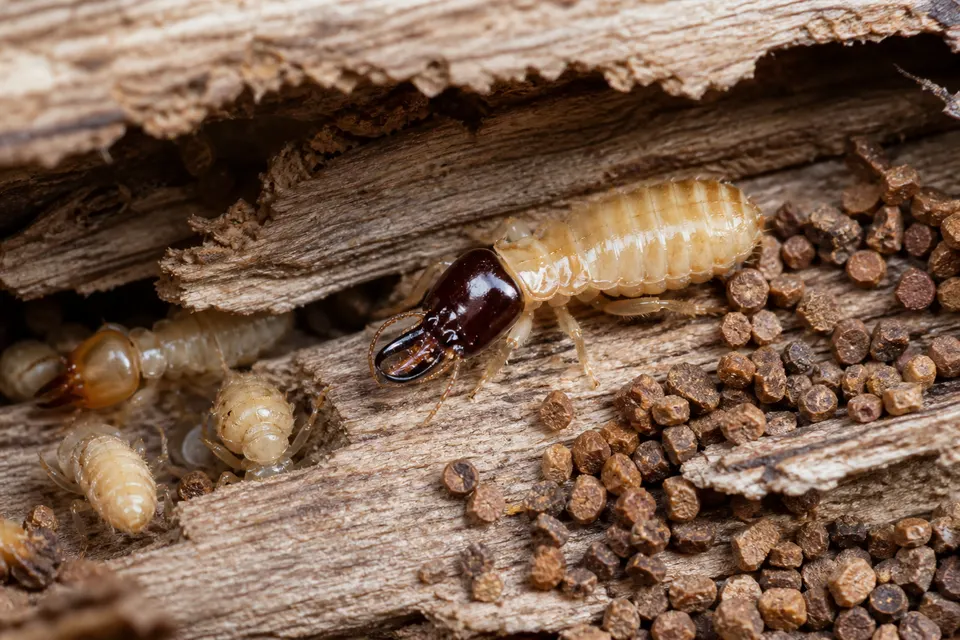
Drywood termite
Kalotermitidae (Incisitermes and others)
Drywood termites live inside the wood. They do not need soil contact. Pellets (frass) that look like tiny…
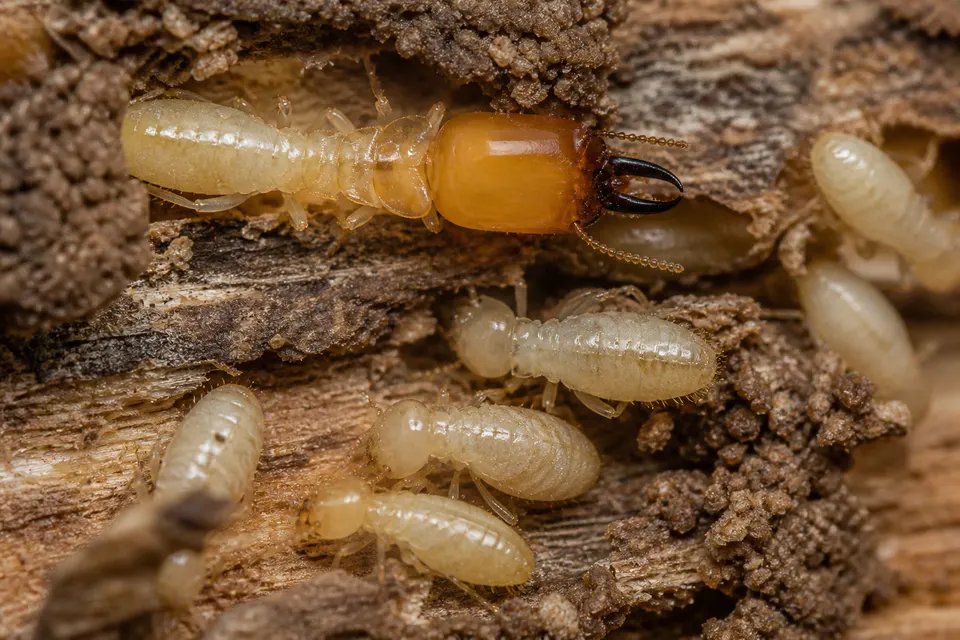
Subterranean termite
Reticulitermes spp. (and related soil-dwelling genera)
Subterranean termites live in soil and build mud shelter tubes to reach wood. They are the default…
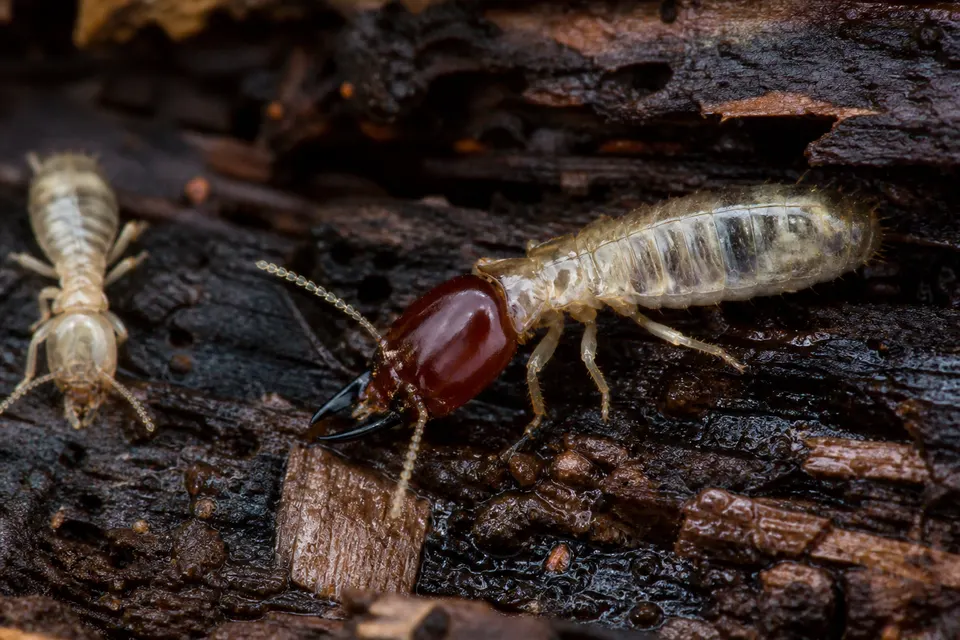
Dampwood termite
Zootermopsis and related genera
Dampwood termites need wet wood. They are often a moisture diagnosis wearing insect wings. Fix the leak, the…
Common questions
Do termites like wet wood?
Dampwood termites require it. Subterranean termites use soil moisture and will take wet wood. Drywood termites get moisture from the timber they live in. “Wet wood” is not one treatment.
Are ground termites the same as subterranean termites?
Usually that search means subterranean species in soil. Open the subterranean termite page, not a drywood fumigation quote by default.