Rodents
Rodent identification and control
Rodents fail buildings at the edges: a gap the width of a pencil, a compost bin against siding, a grocery bag in a garage. The United States has commensal rats and mice in every state, plus a long list of native rodents that become structural or landscape pests. Identification matters because a roof rat lives in the canopy of a structure and a Norway rat lives in the ground. The wrong bait station placement is not a small error.
If you searched “how to get rid of rats” or “how to get rid of mice,” start with the rat guide or the mouse guide, then open the species page. A hole in the yard is a different split — use yard rodent identification for voles, chipmunks, squirrels, and burrows before you bait. Public-health agencies treat rodent control as sanitation plus exclusion plus targeted trapping. Broadcast poison is how pets, raptors, and children get hurt.
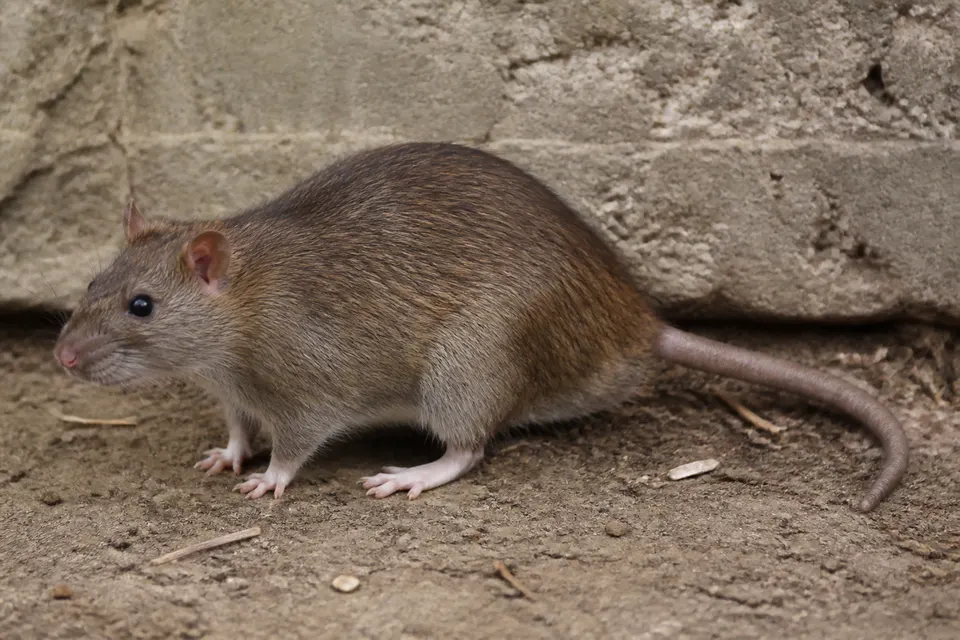
Norway rat
Rattus norvegicus
The Norway rat is the heavy, ground-dwelling commensal rat of US cities. It does not “decide” to live in your house so much as…
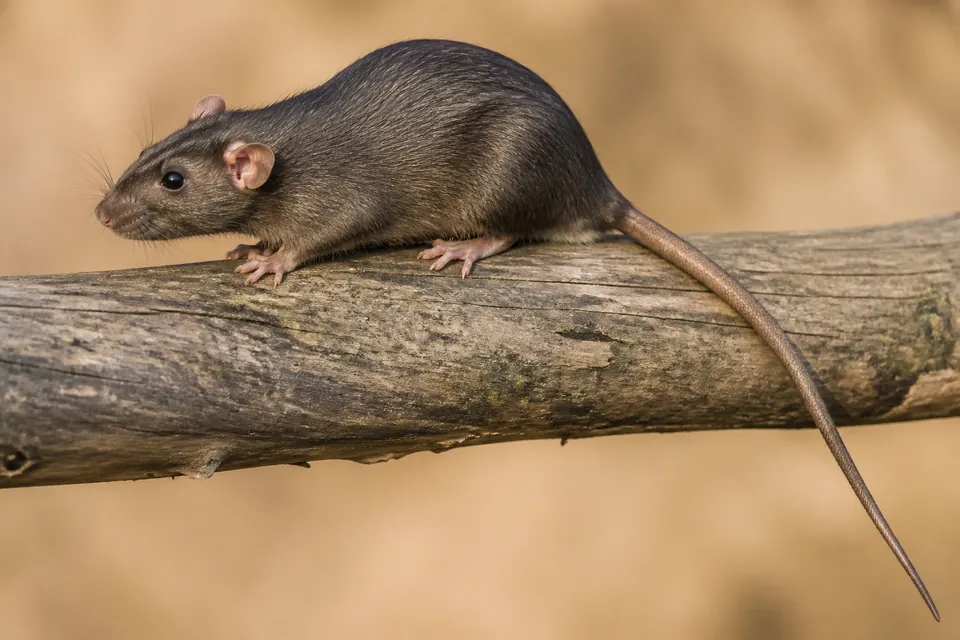
Roof rat
Rattus rattus
Roof rats are the athletes of commensal rats: long tail, large ears, a nose that looks sharp compared with a Norway rat, and a…
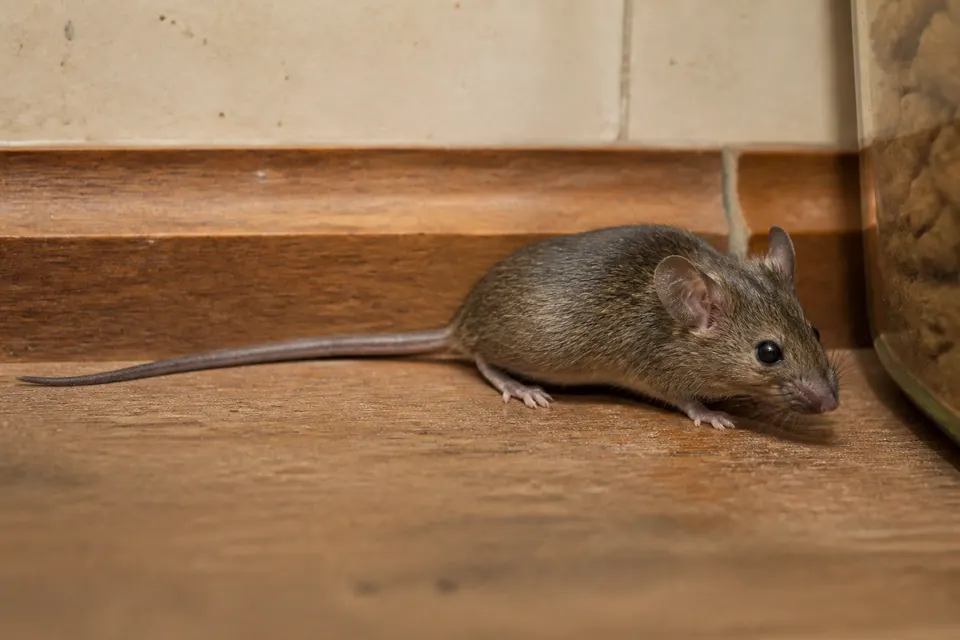
House mouse
Mus musculus
House mice succeed because they need almost no water beyond the moisture in food, they fit through a 6 mm gap, and they treat…
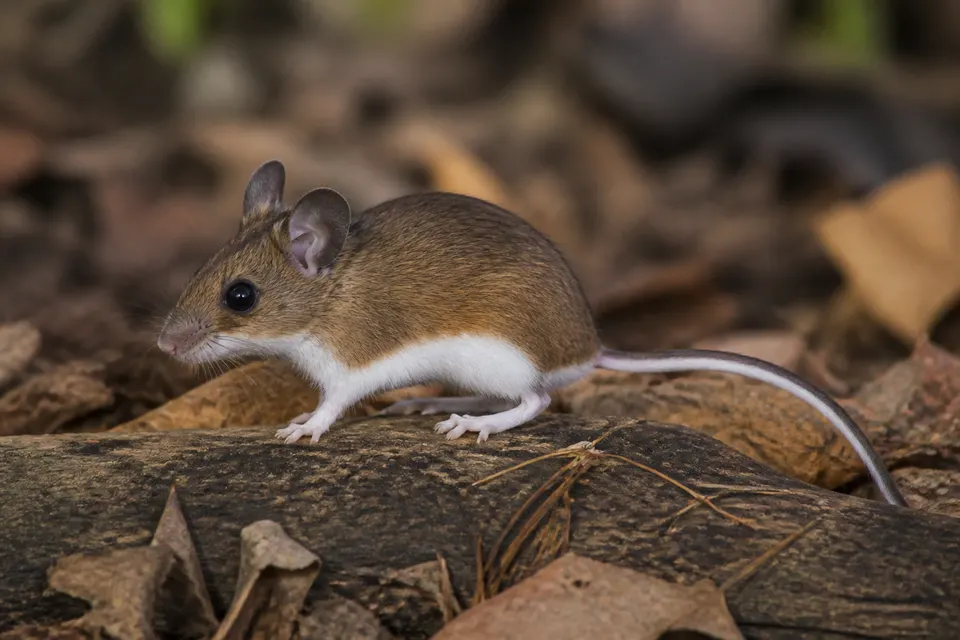
Deer mouse
Peromyscus maniculatus
Deer mice are native, big-eared, white-footed rodents with a bicolored tail. They are not house mice. CDC’s hantavirus guidance…
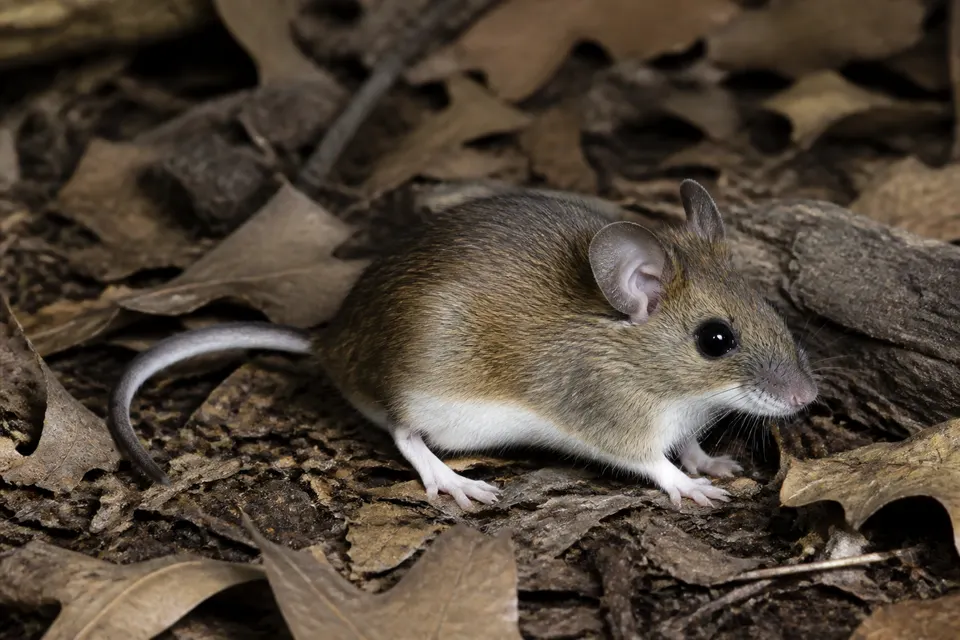
White-footed mouse
Peromyscus leucopus
White-footed mice look like deer mice to most homeowners: white belly, large ears, bicolored tail. They matter in the Northeast…
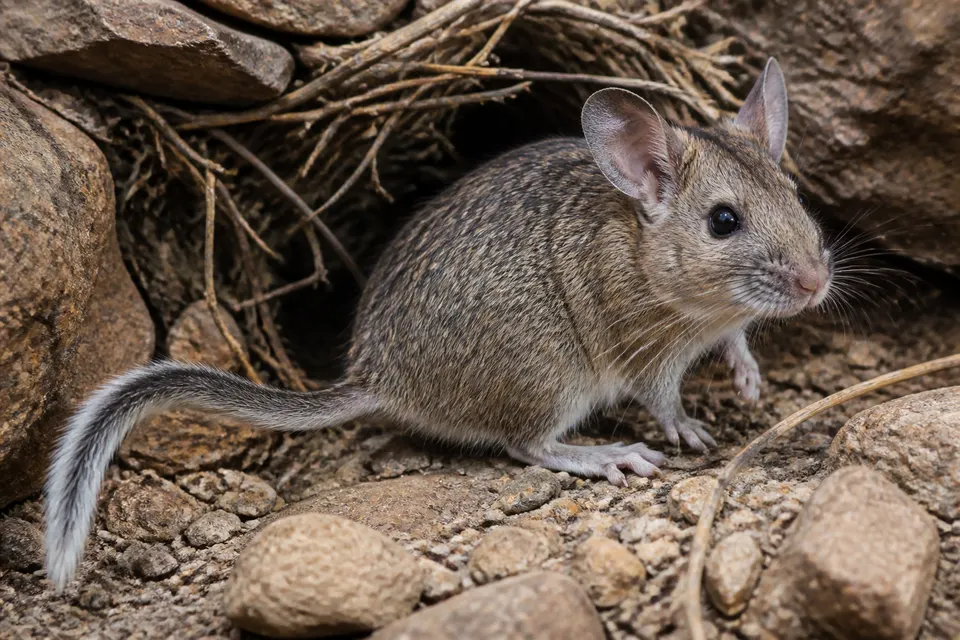
Pack rat (woodrat)
Neotoma spp.
Pack rats build middens — stick-and-cactus condominiums — against walls, in engine bays, and in attics in the Southwest. They…
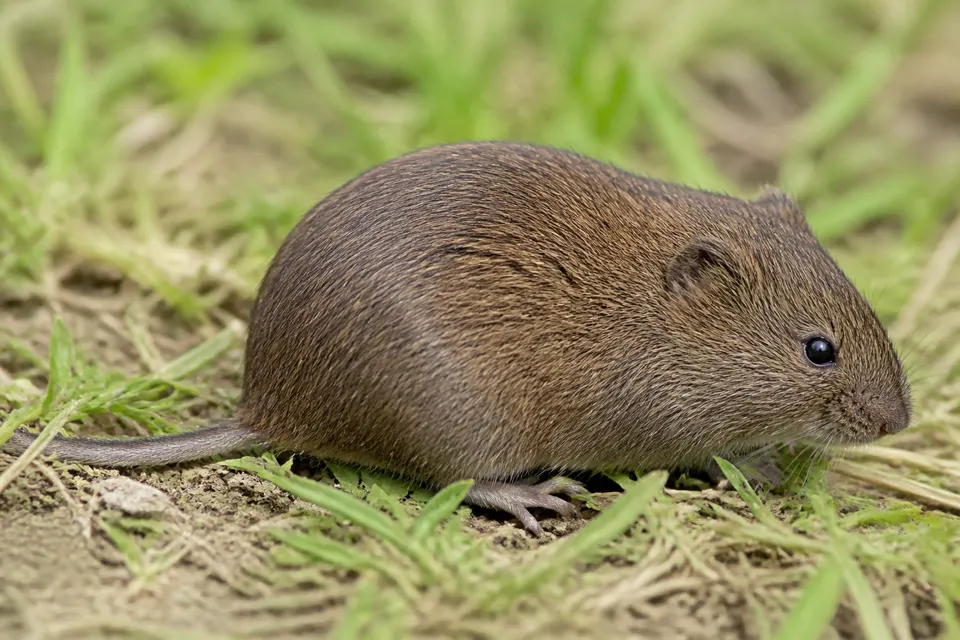
Meadow vole
Microtus pennsylvanicus
Voles are stocky, small-eared, short-tailed grassland rodents that run in surface tunnels through turf. They are not moles…
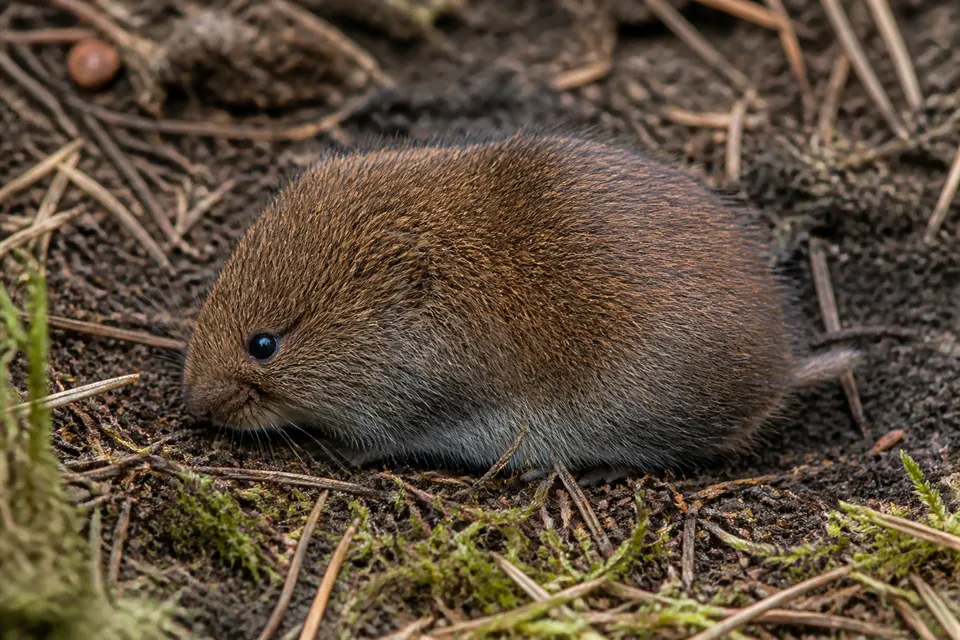
Pine vole
Microtus pinetorum
Pine voles work underground. They girdle roots, so a tree dies while the trunk looks intact — a nasty surprise at bloom. They…
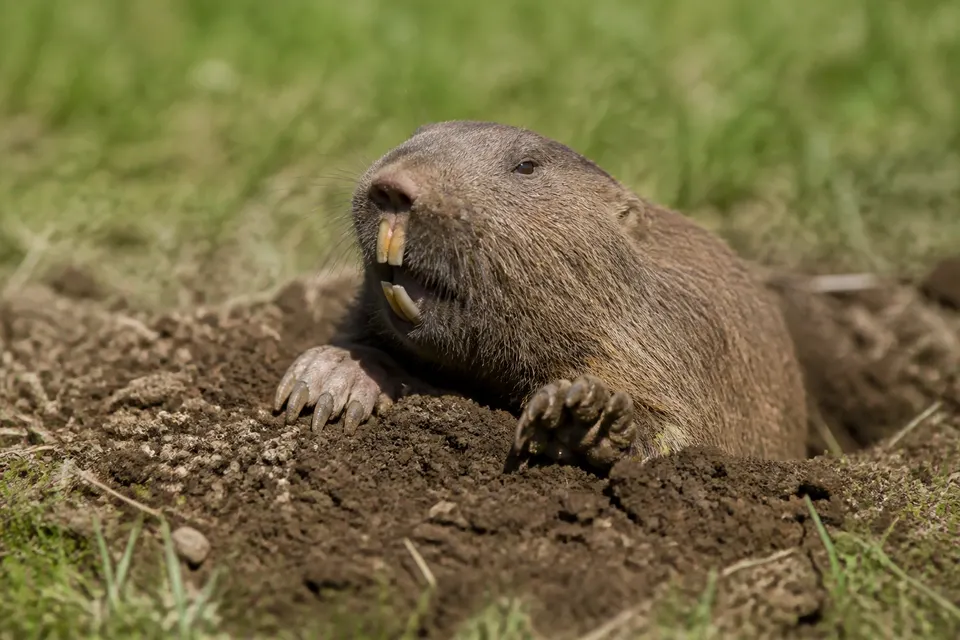
Pocket gopher
Geomyidae (several genera)
Pocket gophers are solitary fossorial rodents with fur-lined cheek pouches. They push crescent mounds, not mole’s volcano…
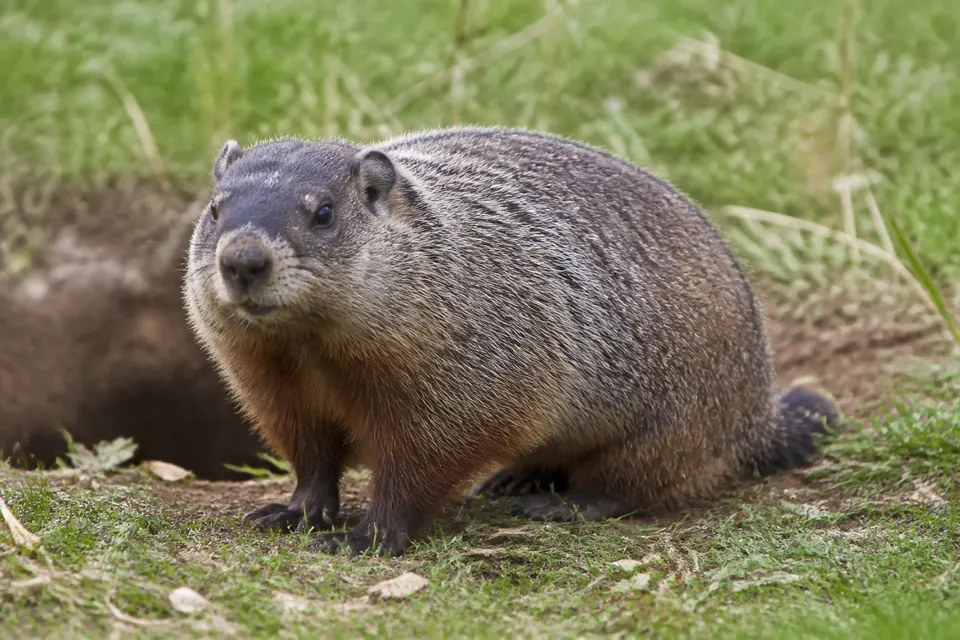
Groundhog (woodchuck)
Marmota monax
Groundhogs are large marmots that dig serious burrows under sheds, decks, and foundations. The structural risk is undermining…
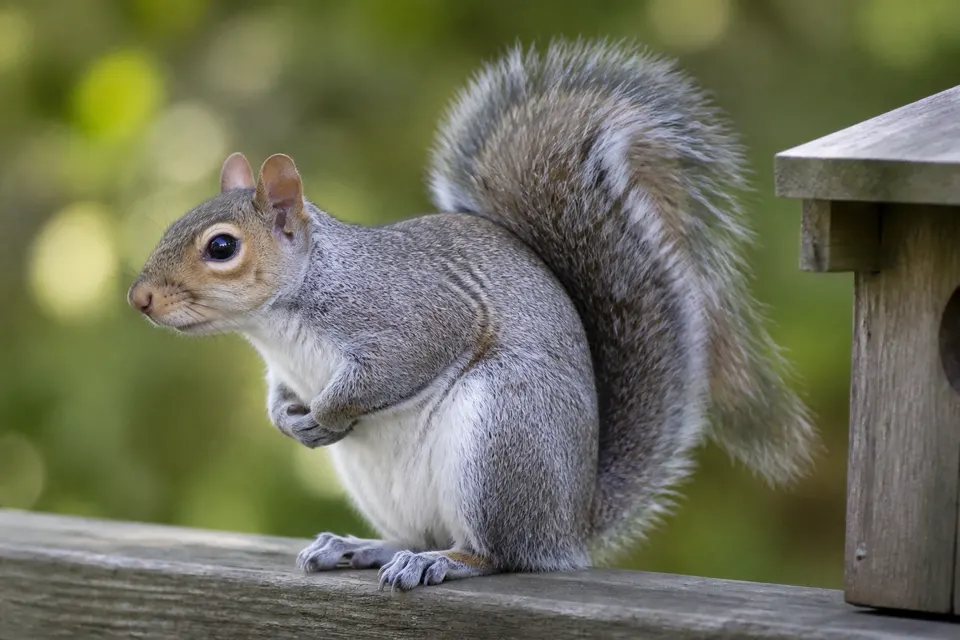
Eastern gray squirrel
Sciurus carolinensis
Gray squirrels are daytime, charismatic, and fully capable of opening a soffit like a can. Attic latrines, chewed wiring, and…
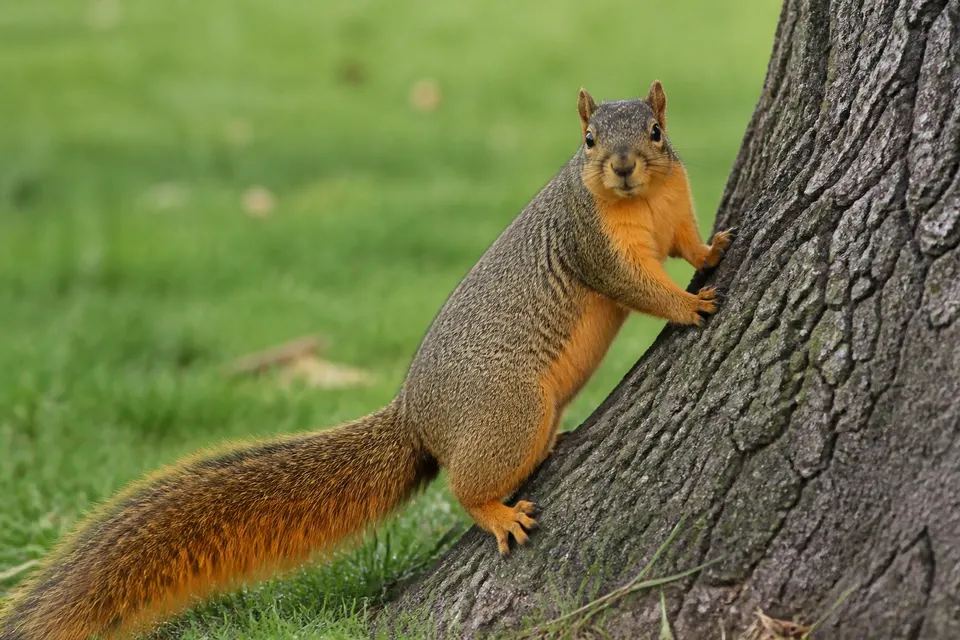
Fox squirrel
Sciurus niger
Fox squirrels are the bigger, often orange-tinged tree squirrel of Midwestern parks and Southern live oaks. Control is the same…
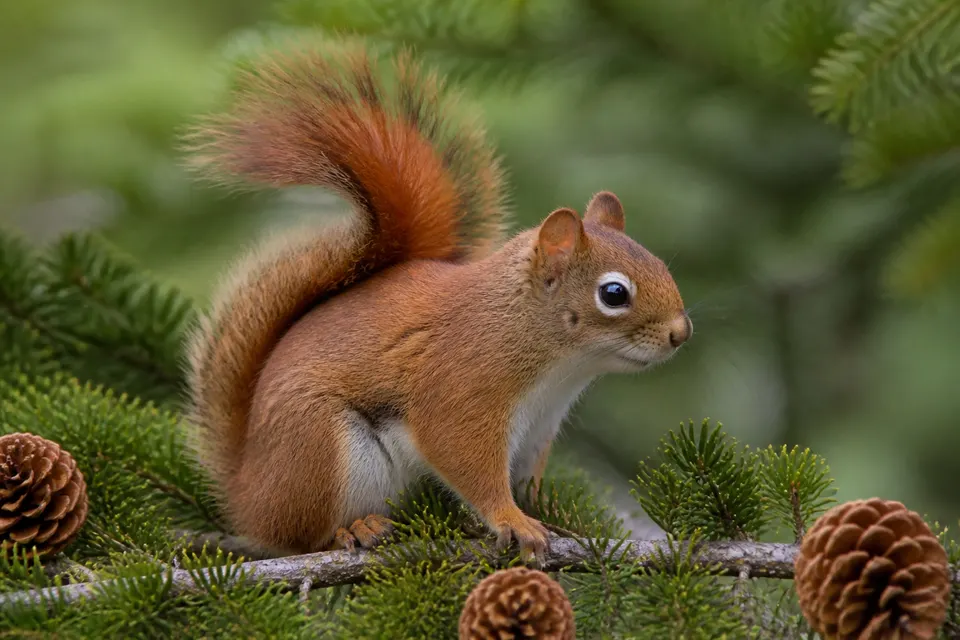
American red squirrel
Tamiasciurus hudsonicus
Red squirrels are small, territorial, and loud. They cache cones in middens and will still use cabins and attics in the North…
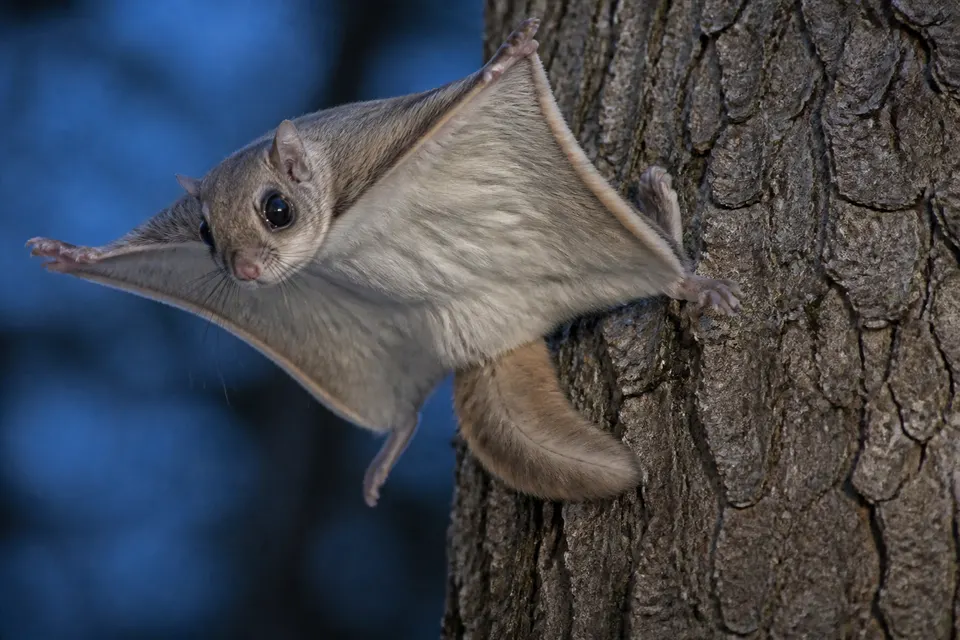
Flying squirrel
Glaucomys spp.
Flying squirrels are nocturnal gliders with a furred membrane. People hear them at night and diagnose “rats in the attic.” The…
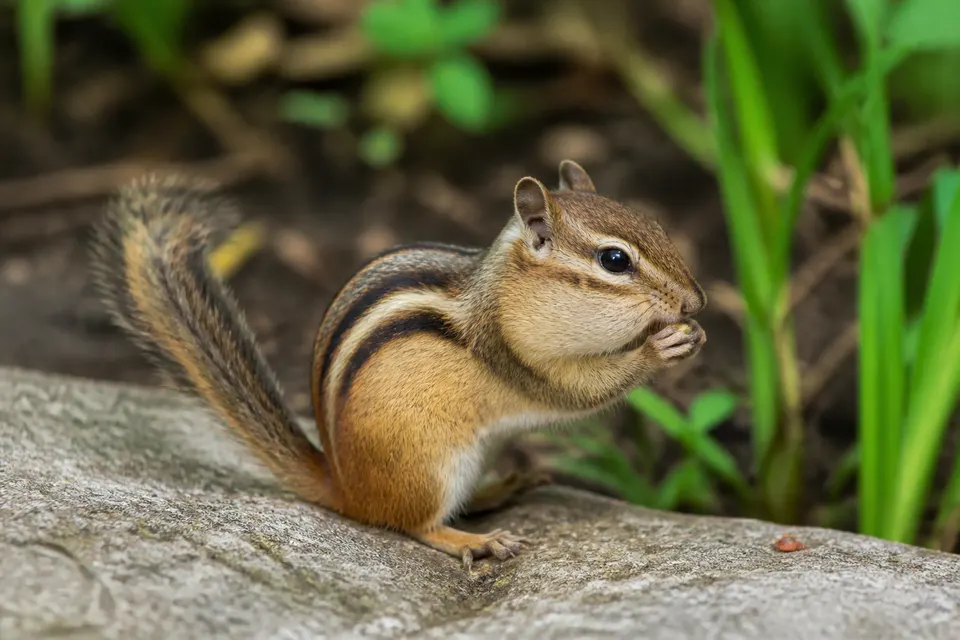
Chipmunk
Tamias / Neotamias spp.
Chipmunks are striped, diurnal, and mostly a garden and stone-wall burrow issue. They rarely “infest” a kitchen the way house…
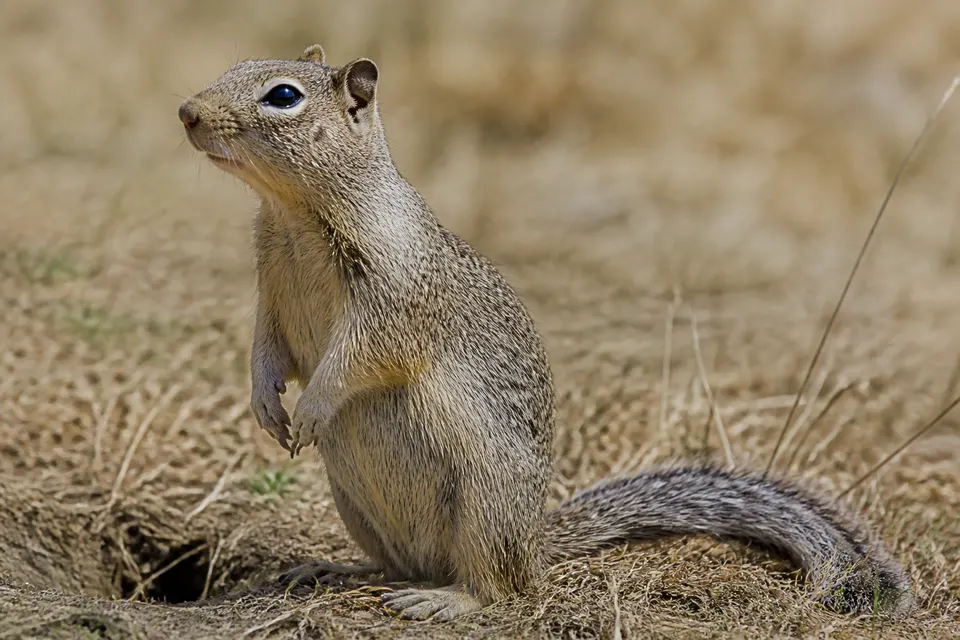
Ground squirrel
Otospermophilus and related genera
Ground squirrels are diurnal, colonial or loosely colonial burrowers that wreck berms, chew irrigation, and in California carry…
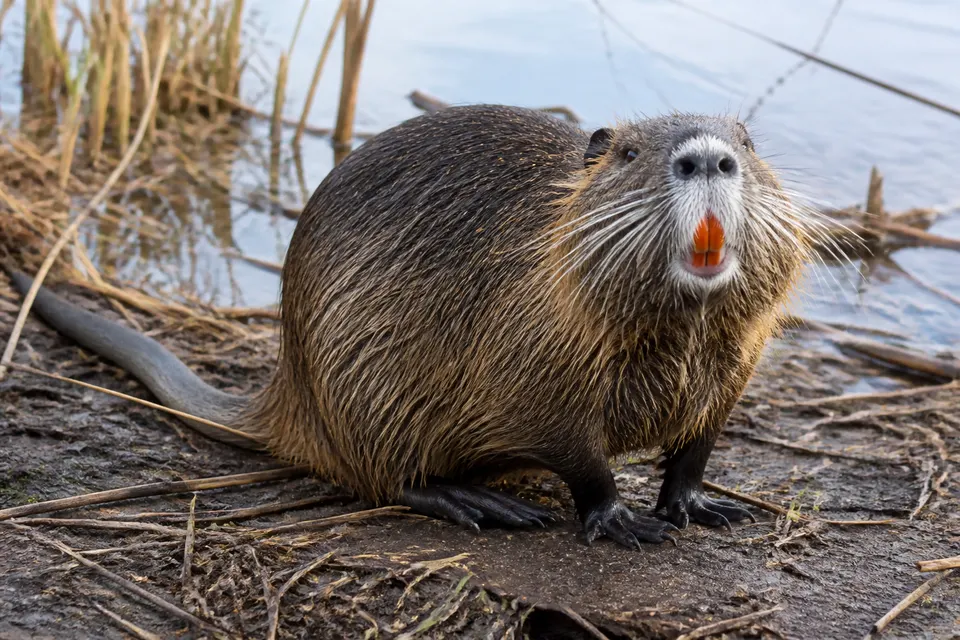
Nutria
Myocastor coypus
Nutria are large, invasive, semi-aquatic rodents with orange incisors and a round, rat-like tail (not a beaver’s paddle). They…
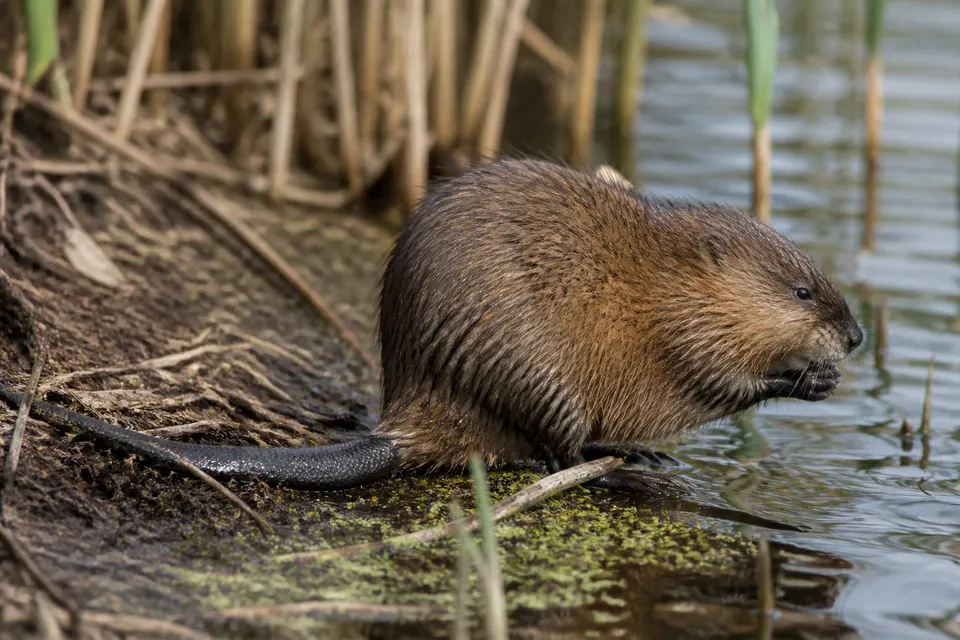
Muskrat
Ondatra zibethicus
Muskrats are native semi-aquatic rodents that burrow in dam faces and pond banks. They are smaller than nutria, have a laterally…
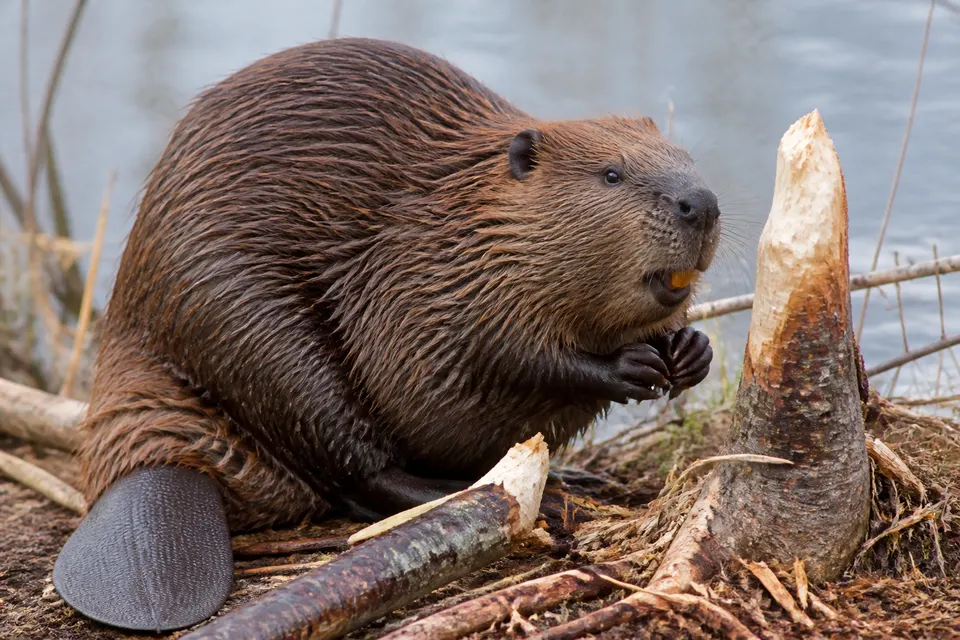
American beaver
Castor canadensis
Beavers are keystone wetland engineers. They are a “pest” only when a dam floods a road, septic, or timber lot. The adult…
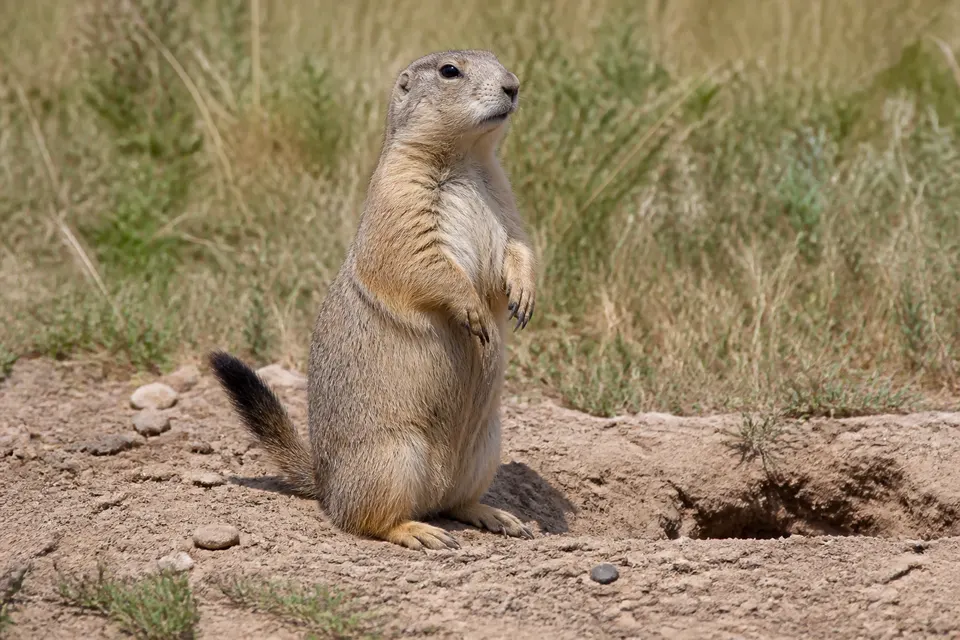
Prairie dog
Cynomys spp.
Prairie dogs are colonial, diurnal ground squirrels of the Plains. They are ecosystem engineers and also a conflict species on…