PK-R14 · Rodents
How to get rid of Flying squirrels
Glaucomys spp.
Flying squirrels are nocturnal gliders with a furred membrane. People hear them at night and diagnose “rats in the attic.” The droppings, the communal nesting, and the tiny entry (often a dime-class gap at a ridge or a woodpecker hole) are different. They may nest in groups. Exclusion still works, but one-way doors must be sized for a small nocturnal squirrel, and you must not seal a communal nest of young. Southern flying squirrels in eastern attics are a classic mis-ID.
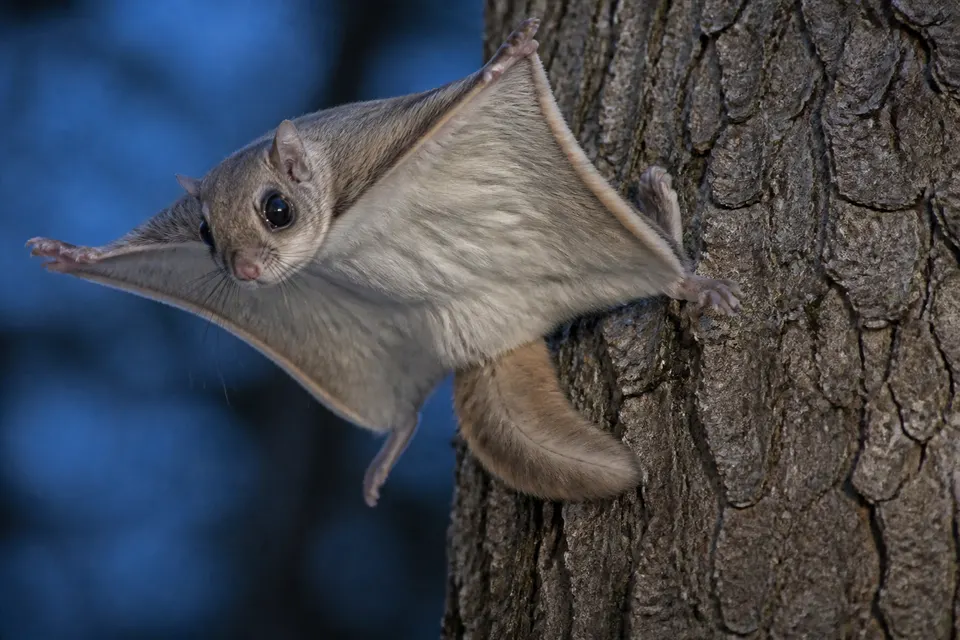
How to identify Flying squirrel
- Large eyes, gliding membrane, velvety fur, nocturnal.
- Small droppings; communal nests in attics and tree cavities.
Signs of an infestation
- Night-only attic rustle (rats are also nocturnal — look at the animal).
- Tiny entry at a peak or woodpecker hole.
- Soft, musty nesting material.
Biology and why they show up
Southern flying squirrels nest communally in winter. They glide between trees. They eat nuts, fungi, and sometimes bird eggs. They fit surprisingly small holes.
Health and property risk
Contamination, rare parasite concerns, wiring. Not a typical rabies vector headline like bats — do not confuse the two. Bats have different legal and public-health rules.
Proven control sequence
Work in this order. Skipping inspection or exclusion is why most “treatments” bounce back in a week.
- Identify at night. A red light or camera at the hole. Do not treat as Norway rats with floor stations.
- Small-mesh exclusion after young leave. 1/4-inch cloth. Repair woodpecker holes properly or they reopen.
- Do not use rodenticide in an attic “just in case”. Wrong animal, carcass risk, non-targets.
Matching tools for these steps can be bought on Amazon. Buy the field kit.
Tools for flying squirrels in attics
Night gliders use small gaps. Screen with hardware cloth after you know the colony can leave.
As an Amazon Associate, Pest Kill earns from qualifying purchases. The EPA label is the law for any pesticide. These links match the sequence on this page — they are not a shopping list instead of identification. Details: advertising disclosure. Browse the full tools catalog.
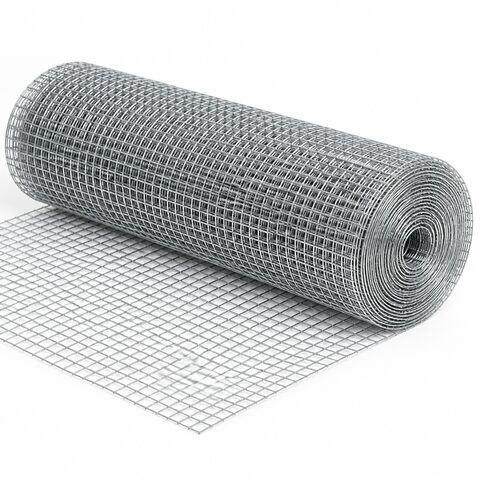
Hardware
1/4-inch galvanized hardware cloth
Cut patches for vents, soffits, and the gaps foam cannot hold. Quarter-inch mesh stops mice; rats need a heavier gauge and no loose edges. Fasten to wood or masonry, then seal the rim.

Hardware
Copper mesh for rodent gaps
Stuff quarter-sized and smaller holes after you know the runways. Steel wool rusts and gets pulled out. Mesh is not a substitute for a door sweep on a half-inch gap.
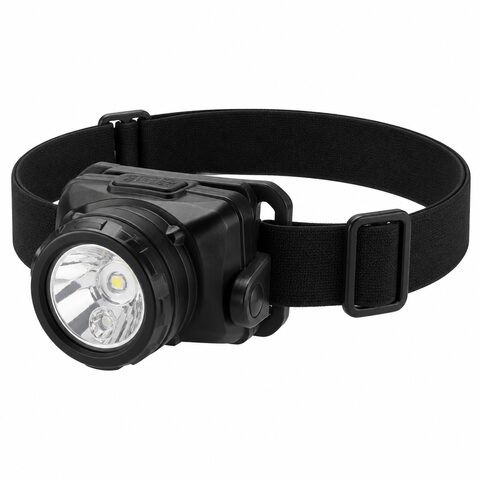
Hardware
Headlamp or flashlight for inspections
German cockroaches, rodent runways, and bed-bug harborages are night-shift jobs. A light you can point into a hinge beats another can of spray.
Prevention that actually sticks
- Trim launch trees if you can without wrecking the landscape plan.
- Cap peaks and vents.
When to hire a licensed professional
Communal nests and unknown young: NWCO. People routinely mis-time exclusions.
United States and Tier 1 notes
Eastern US attics (southern species). Northern species in boreal forests, sometimes cabins. Not a desert pack-rat substitute.
Common questions
Can they really fly?
They glide. They still need a hole. Seal it.