PK-W04 · Nuisance wildlife
How to get rid of bats in buildings
Chiroptera (various US species)
Bats in buildings are a public-health and conservation problem at once. CDC: if a bat is found in a room with a sleeping person, child, or pet, do not release it before public health can advise — rabies testing may be needed. Do not handle bats. Exclusion uses one-way valves after maternity season in many states, then sealing. Poisoning bats is illegal and reckless. They eat insects. This directory will not publish how to kill a colony. Hire a bat-exclusion specialist who follows state wildlife timing.
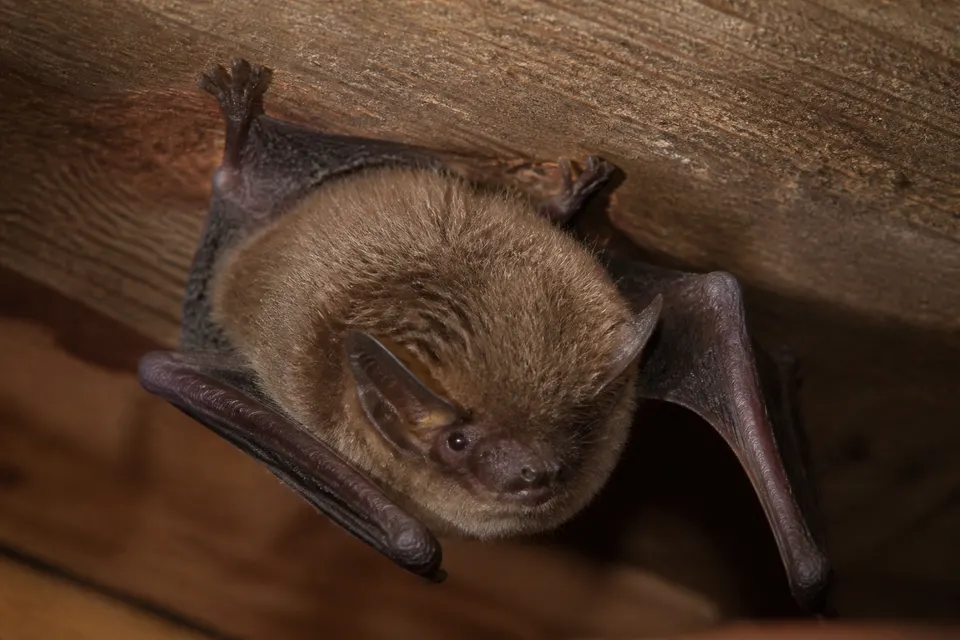
How to identify Bat (structure occupancy)
- Nocturnal flying mammals, droppings (guano) under roosts, staining at eaves.
- Tiny gaps at ridges and fascia. Not flying squirrels (see that page) and not birds.
Signs of an infestation
- Evening exits from a ridge vent.
- Guano on a porch. Squeaks at dusk.
- A bat on a living-room floor — public health, not a broom.
Biology and why they show up
Many US species. Maternity colonies in warm attics. White-nose syndrome has devastated some cave bats — conservation is real. They are not rodents.
Health and property risk
Rabies (rare but the reason for the protocol), histoplasmosis from large guano deposits (occupational/cleaning risk), legal protection. Do not dry-sweep large guano piles without respiratory protection and guidance.
Proven control sequence
Work in this order. Skipping inspection or exclusion is why most “treatments” bounce back in a week.
- If a bat was in a bedroom with a sleeper: call public health first. Do not let it go. CDC protocol exists because bats can bite unnoticed.
- Never handle with bare hands. Leather gloves and a box if you must contain for health testing, as instructed by officials.
- Exclusion after young can fly. One-way devices, then seal. Timing is seasonal and legal. Specialists know the calendar.
- Do not poison or fog an attic of bats. Illegal, cruel, and leaves carcasses. Not published here as a method.
Matching tools for these steps can be bought on Amazon. Buy the field kit.
Tools for bat exclusion from structures
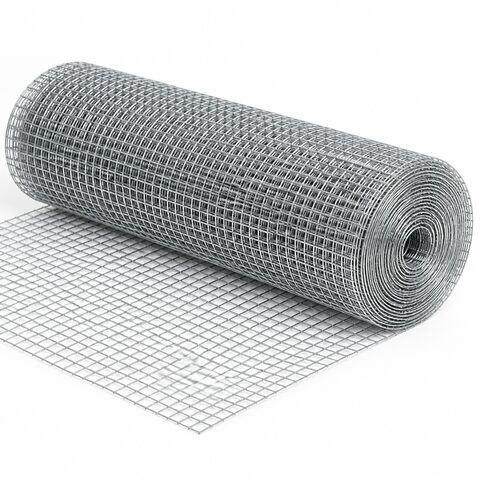
Hardware cloth and a one-way plan after young can fly. Many bats are protected. Sealing a colony in is a smell and a legal problem.
As an Amazon Associate, Pest Kill earns from qualifying purchases. The EPA label is the law for any pesticide. These links match the sequence on this page — they are not a shopping list instead of identification. Details: advertising disclosure. Browse the full tools catalog.
Hardware
1/4-inch galvanized hardware cloth
Cut patches for vents, soffits, and the gaps foam cannot hold. Quarter-inch mesh stops mice; rats need a heavier gauge and no loose edges. Fasten to wood or masonry, then seal the rim.
Hardware
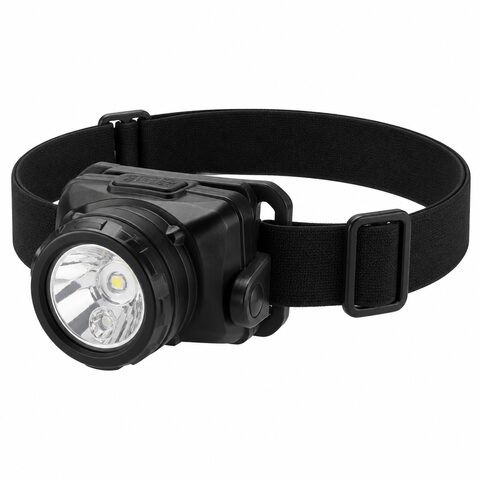
Headlamp or flashlight for inspections
German cockroaches, rodent runways, and bed-bug harborages are night-shift jobs. A light you can point into a hinge beats another can of spray.
Prevention that actually sticks
- Seal after a proper exclusion. Chimney caps and ridge-vent screening that still vents.
- Bat houses as alternative roosts are a conservation conversation — they do not replace sealing a maternity attic without timing.
When to hire a licensed professional
Always for colonies. Always for a bat-in-bedroom event (health department).
United States and Tier 1 notes
US-wide species mix. UK and EU bats are highly protected — even stronger reason to use licensed ecologists. Australia has flying-fox rules that are not this page.
Common questions
Can I just wait until they leave in winter?
Some roosts are year-round. Some exclusions must avoid trapping young. A specialist’s calendar beats a guess.