PK-B01 · Biting pests
How to get rid of Bed bugs
Cimex lectularius
Bed bugs are flat, rusty-red, and nocturnal. They hide in mattress seams, bed frames, and furniture within a few feet of sleepers. CDC is clear: they are not known as typical disease transmitters in the United States, but they cause sleeplessness, welts, and expensive housing fights. Resistance to many indoor insecticides is documented. The program that works is confirm the insect (not a carpet beetle), reduce clutter, encase the mattress, interceptors on legs, heat or professional treatment of harborages, and follow-up because eggs hatch. Throwing away a mattress as the only step leaves bugs in the baseboard. Foggers in bedrooms poison people more reliably than they end Cimex.
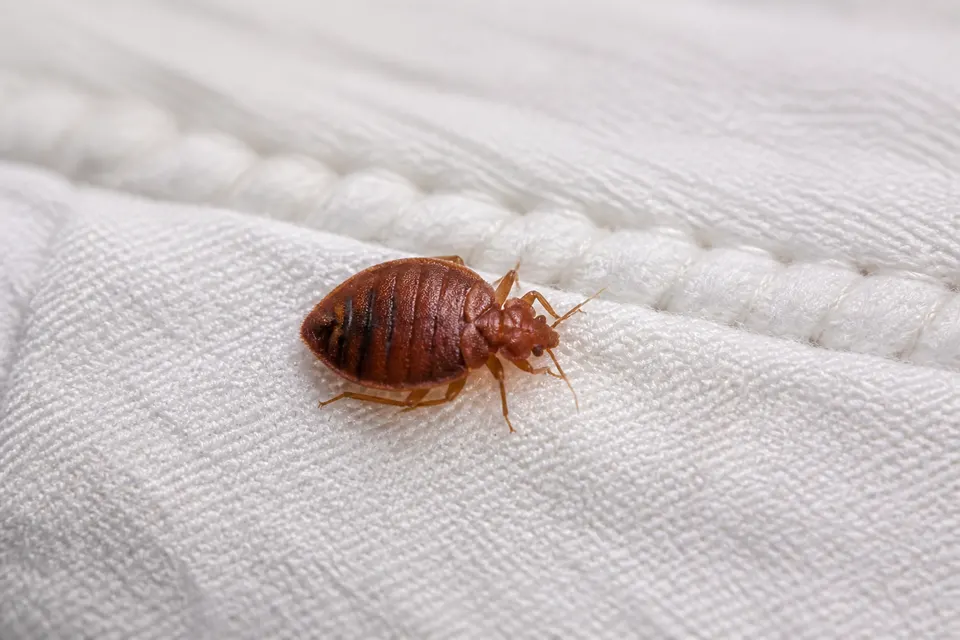
How to identify Bed bug
- Adults apple-seed sized, brown, flattened, no wings.
- Dark fecal spots on sheets and mattress piping, shed skins, eggs in seams.
- Sweetish, musty odor in heavy infestations.
- Look-alikes: bat bugs (inspect the attic), carpet beetle larvae (hairy, not blood-feeders).
Signs of an infestation
- Itchy welts in lines or clusters after sleep — not diagnostic alone.
- Blood specks on sheets.
- Live bugs in seams when you inspect with a flashlight at the piping.
Biology and why they show up
They feed on blood, then hide. They hitchhike in luggage and used furniture. They can live months without a meal in some conditions, which is why “we were gone two weeks” is not proof of absence. Eggs are glued in cracks.
Health and property risk
Sleep loss, secondary skin infection from scratching, housing stigma, and pesticide misuse. CDC: not a typical pathogen vector in US homes. Mental-health stress is real — treat the infestation, not with shame.
Proven control sequence
Work in this order. Skipping inspection or exclusion is why most “treatments” bounce back in a week.
- Confirm the specimen. A photo to an extension office or a pro beats treating for the wrong insect.
- Launder and heat fabrics. Dryer on high for infested clothes and linens as fabric allows. Bag clean items.
- Encase mattress and box spring. Bed-bug-rated zip encasements. Interceptor cups under bed legs. Pull the bed from the wall; no skirts touching the floor.
- Professional heat or targeted treatment. Whole-room heat is a trained job (sprinklers, electronics, adjacent apartments). DIY hair dryers do not lethally heat a box-spring core.
- Follow up for weeks. Eggs hatch. Monitors. In apartments, inspect neighbors the same week.
Matching tools for these steps can be bought on Amazon. Buy the field kit.
Tools that support a bed-bug program
Encasements and interceptors help you see and contain. They do not replace inspection, laundry heat, or a building-wide plan in apartments.
As an Amazon Associate, Pest Kill earns from qualifying purchases. The EPA label is the law for any pesticide. These links match the sequence on this page — they are not a shopping list instead of identification. Details: advertising disclosure. Browse the full tools catalog.
Hardware
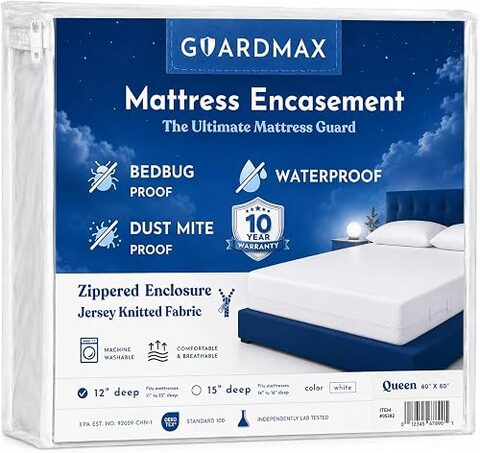
Zippered mattress and box-spring encasement
Encasements trap bugs already in the mattress and make inspection possible. Buy a true bed-bug-rated zipper, not a thin mattress cover. This is one step in a program, not a fogger substitute.
Hardware
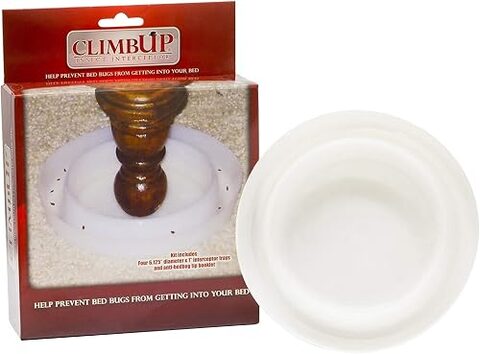
Bed-bug interceptor cups
Under bed and sofa legs they show whether the infestation is still moving. Combine with laundry heat and a real inspection. Interceptors are not a treatment for a multi-family stack.
Labeled product
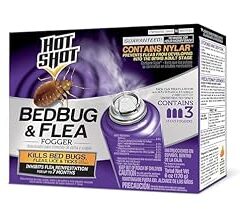
Hot Shot indoor insect fogger
Total-release cans for enclosed rooms. Follow the EPA label: leave the structure, cover aquariums, keep flames and pilots as the can requires, and stay out for the stated time. Poison control in the US: 1-800-222-1222.
Hardware
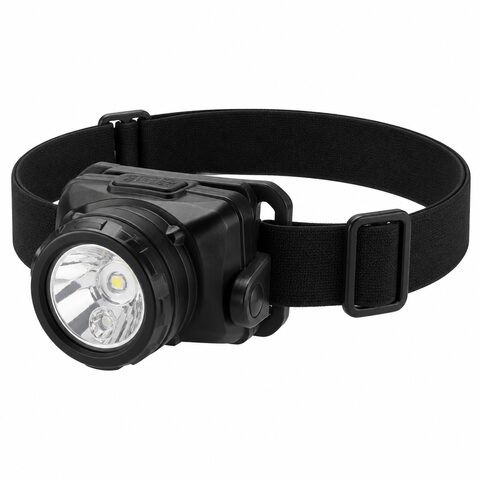
Headlamp or flashlight for inspections
German cockroaches, rodent runways, and bed-bug harborages are night-shift jobs. A light you can point into a hinge beats another can of spray.
Prevention that actually sticks
- Inspect hotel headboards; keep luggage on a rack, not the bed.
- Be cautious with curbside furniture.
- After travel, unpack in a garage or tub when practical and heat-treat clothes.
When to hire a licensed professional
Multi-family housing, hotels, and anyone tempted to use outdoor foggers indoors. Building-wide coordination is the difference between success and a year of bites.
United States and Tier 1 notes
Nationwide. Same species across Canada, the UK, the EU, Japan, Australia, and Singapore hotels. Tropical bed bugs (C. hemipterus) need identification in some southern and overseas travel cases.
Common questions
Should I throw out the mattress?
Not automatically. Encasements plus treating the room often save it. Dumping an infested mattress in an alley moves the problem.
Do bed bugs mean the house is dirty?
No. They feed on people, not crumbs. Clutter helps them hide. Dirt is not the cause.
How much does professional bed bug treatment cost in the United States?
Whole-room heat and thorough chemical-plus-non-chemical jobs are among the more expensive residential pest services. Quotes commonly run from several hundred dollars for a limited infestation to well over $1,000 when multiple rooms or adjacent apartments must be treated. One cheap spray visit is rarely the end. Eggs hatch; plan for follow-up.
Can I get rid of bed bugs without calling a professional?
Light, confirmed infestations sometimes yield to encasements, interceptors, laundry heat, clutter reduction, and careful monitoring. Multi-family housing, travel-heavy sites, and anything you cannot fully inspect are professional jobs. Do not fog a bedroom or use agricultural products indoors.