Biting pests
Biting pest identification and control
Biting pests are a public-health category. Bed bugs are not known to transmit disease in typical US homes, but they wreck sleep and rental housing. Mosquitoes and ticks are the disease story. Fleas often mean a pet reservoir. Kissing bugs matter in parts of the southern United States because of Chagas disease risk.
Do not confuse a mosquito-borne illness with a bed bug bite pattern. These pages separate the biology so you do not heat-treat a house for the wrong insect.
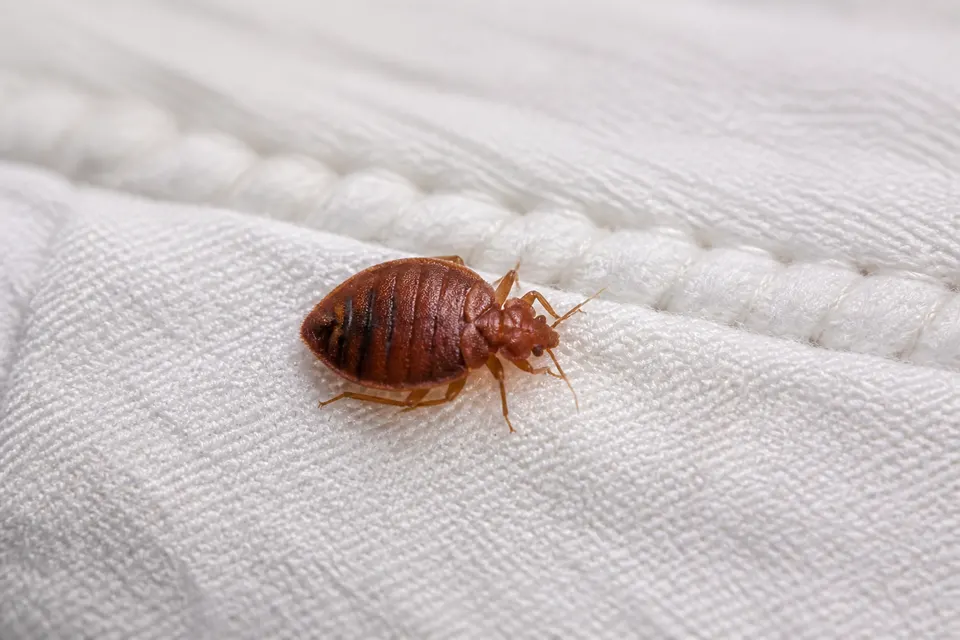
Bed bug
Cimex lectularius
Bed bugs are flat, rusty-red, and nocturnal. They hide in mattress seams, bed frames, and furniture within a few feet of…
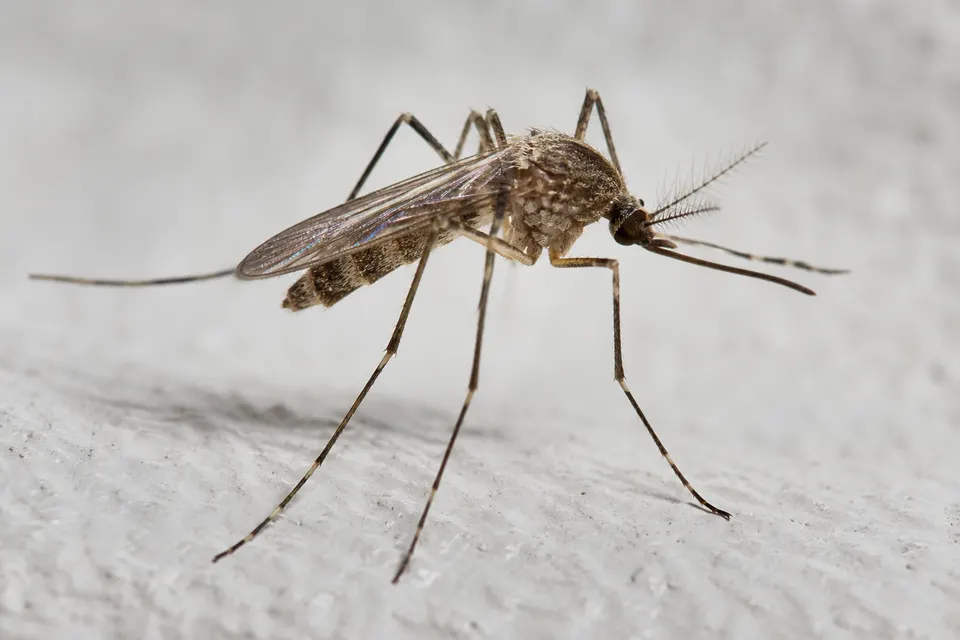
Mosquito
Culicidae (Aedes, Culex, Anopheles, and others)
Mosquitoes are the US insect most worth taking seriously as disease animals: West Nile virus (Culex), and in some regions other…
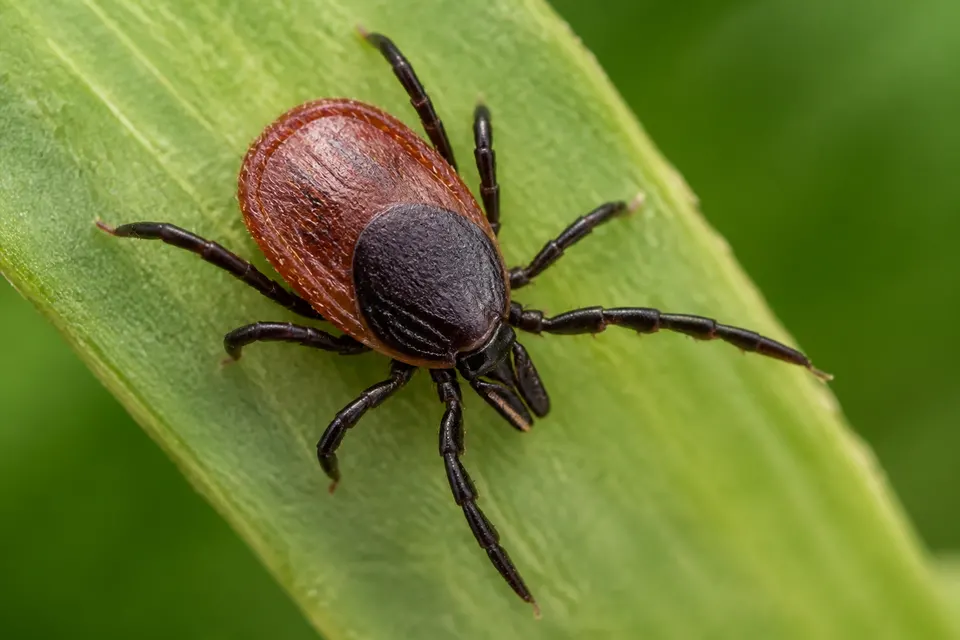
Blacklegged tick (deer tick)
Ixodes scapularis
Blacklegged ticks are the Lyme disease vector in the eastern and north-central United States, and they transmit other pathogens…
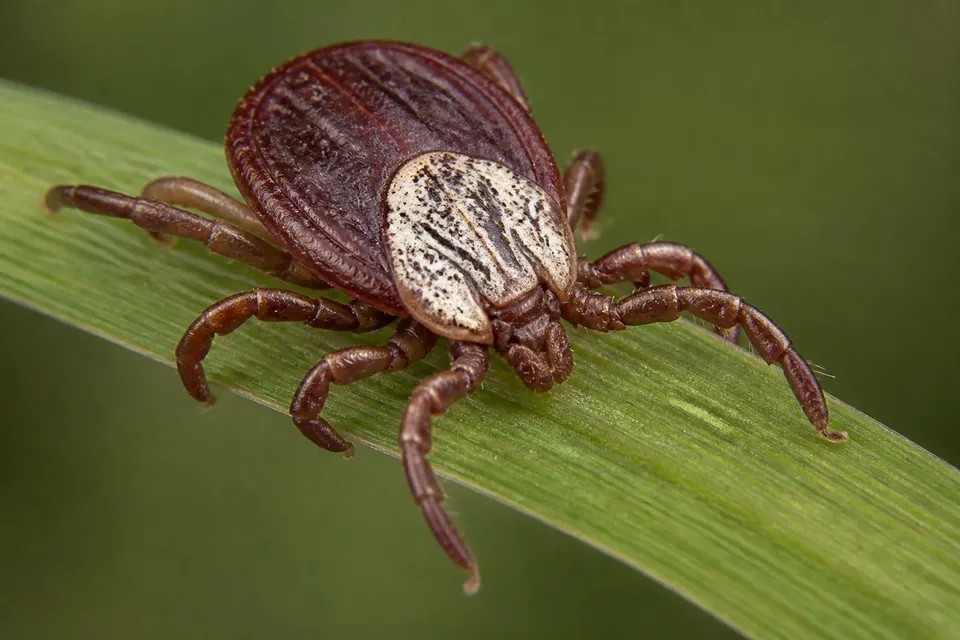
American dog tick
Dermacentor variabilis
American dog ticks are the ornate, larger ticks people pull off dogs after a hike in much of the eastern US. They transmit Rocky…
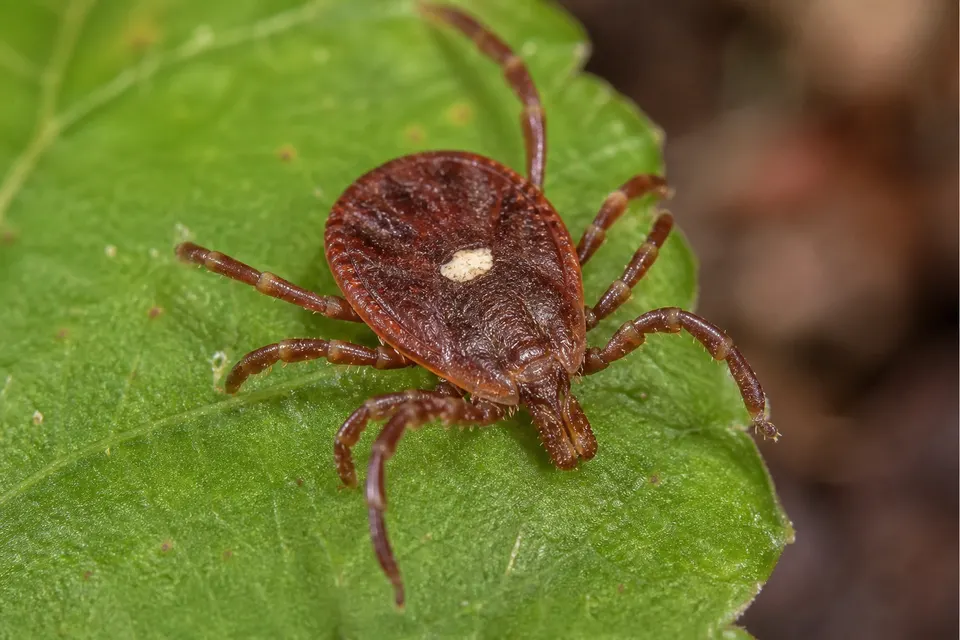
Lone star tick
Amblyomma americanum
Lone star ticks are aggressive. Females have a single white spot on the scutum. They have been associated with ehrlichiosis…
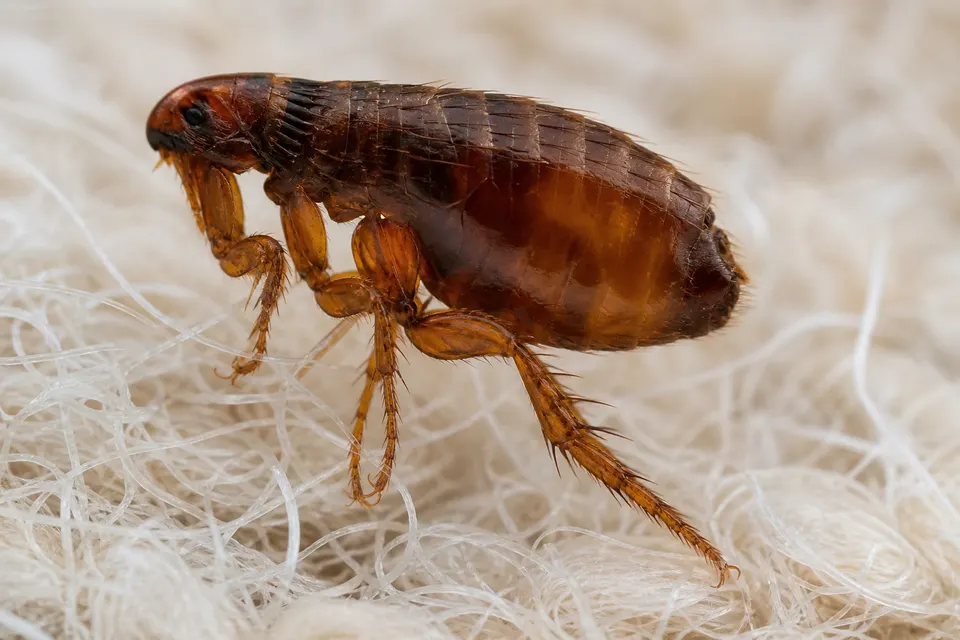
Cat flea
Ctenocephalides felis
If people are bitten around the ankles and the pet is scratching, think cat fleas — even on a dog. Adults live on the animal…
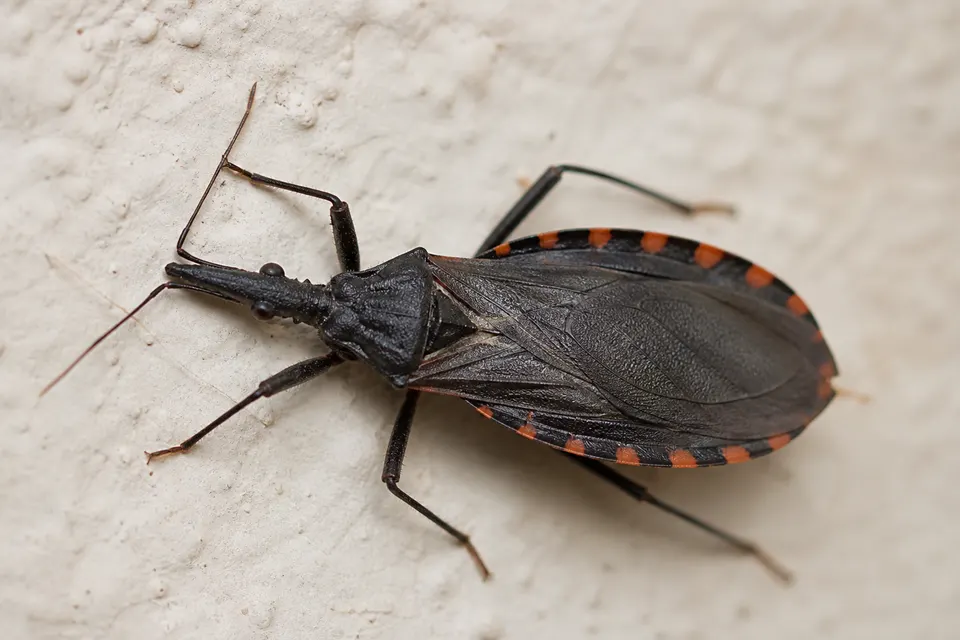
Kissing bug (triatomine)
Triatominae (Triatoma and related genera)
Kissing bugs are true bugs that feed on blood and can transmit Trypanosoma cruzi, the Chagas disease parasite. CDC documents US…
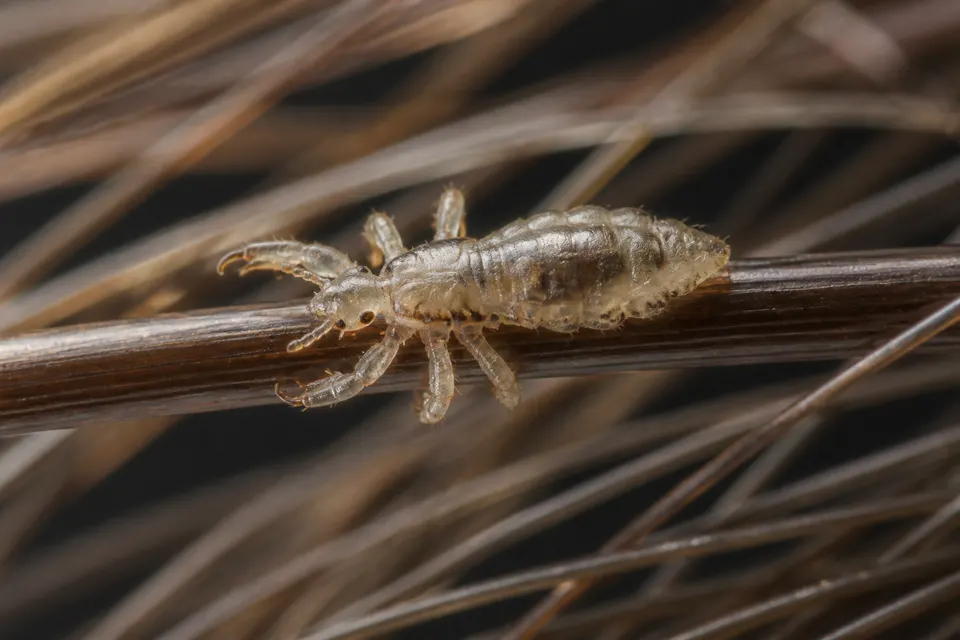
Head louse
Pediculus humanus capitis
Head lice live on human heads and glue nits to hair. CDC and AAP treat them as a nuisance, not a disease emergency, and not a…
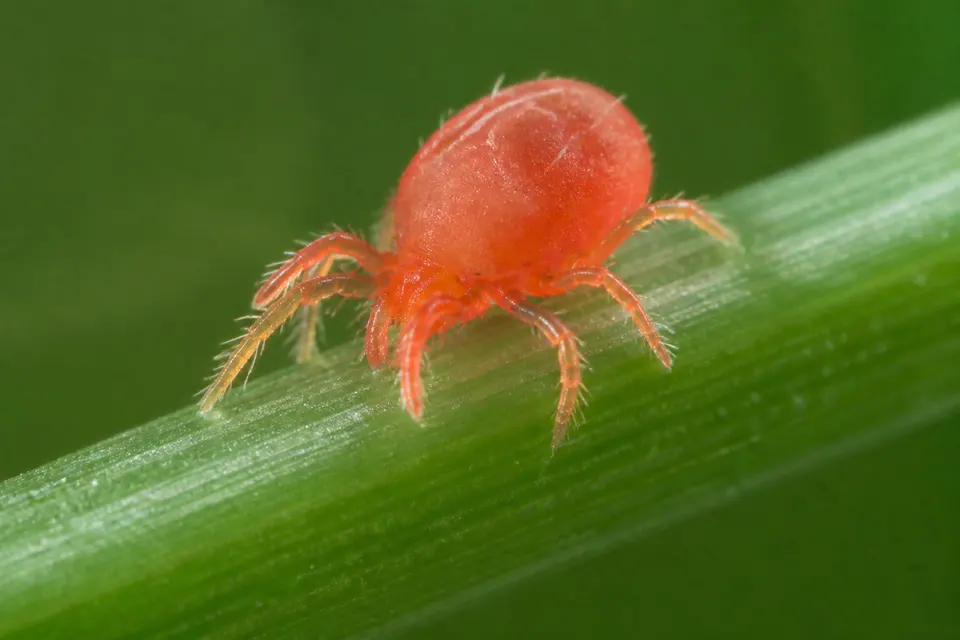
Chigger
Trombiculidae larvae
Chiggers are mite larvae that attach to skin, typically at sock lines and waistbands, and cause intense, delayed itching. They…