PK-B07 · Biting pests
How to get rid of Kissing bugs (triatomine)
Triatominae (Triatoma and related genera)
Kissing bugs are true bugs that feed on blood and can transmit Trypanosoma cruzi, the Chagas disease parasite. CDC documents US cases, many associated with vector exposure in the southern states or with prior infection acquired elsewhere. This is not a reason to panic-fog a suburb. It is a reason to exclude bugs from bedrooms, manage pack-rat nests against walls, keep dogs from sleeping in infested kennels without a veterinary plan, and seek medical care rather than internet cures. Do not crush a bug on your face if you can avoid it — fecal contamination is part of the transmission story. Identification: elongated cone nose, striped edges on the abdomen in many species.
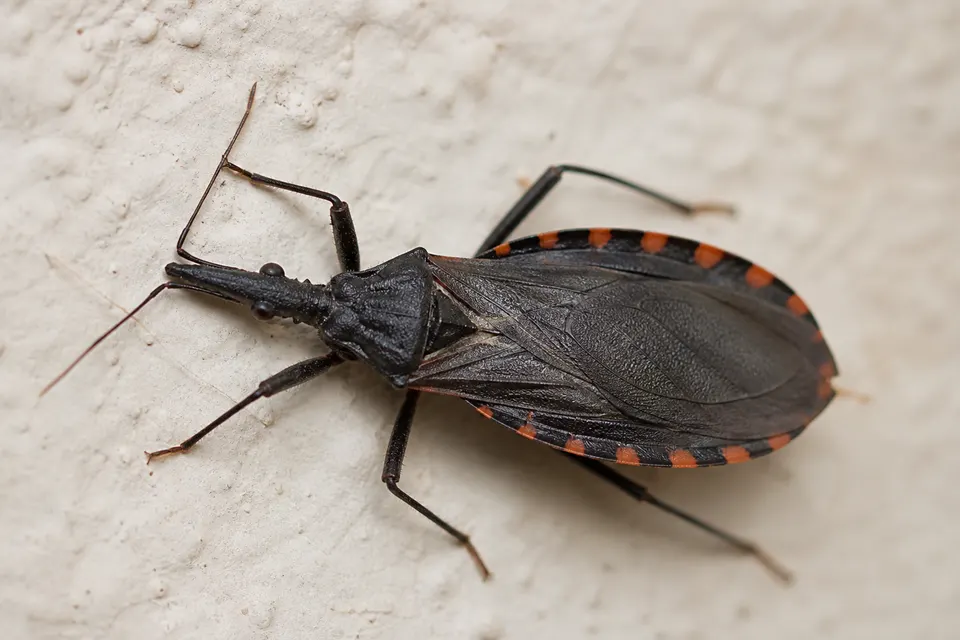
How to identify Kissing bug (triatomine)
- Cone-shaped nose, often orange or red banding on a dark body, about 3/4–1 inch.
- Found in woodrat middens, woodpiles, and sometimes indoor rooms at night.
- Not a cockroach (different mouthparts and shape).
Signs of an infestation
- Nocturnal bites, sometimes on the face (the folk name).
- Bugs in or near bedrooms in endemic architecture.
- Pack rat nests against the house.
Biology and why they show up
They hide by day and feed at night. They use wildlife reservoirs. Housing quality (cracks, adobe, poorly sealed rural homes) changes risk. Not every triatomine is infected, and not every bite transmits — but CDC still takes the vector seriously.
Health and property risk
Chagas disease is a clinical diagnosis with potentially serious cardiac outcomes. This directory does not diagnose. Allergic reactions to bites also occur.
Proven control sequence
Work in this order. Skipping inspection or exclusion is why most “treatments” bounce back in a week.
- Exclude the bedroom. Screens, door sweeps, seal cracks, bed away from walls, consider a mosquito net in heavily infested rural rooms as CDC discusses in some guidance contexts.
- Remove pack-rat middens from the foundation. See the pack rat page. Do not dry-sweep nests without protection.
- Do not smash bugs on skin. Remove with a glove or paper, wash. CDC has handling notes.
- Dogs and kennels. Veterinary guidance in endemic areas. Do not invent treatments.
Matching tools for these steps can be bought on Amazon. Buy the field kit.
Tools that support kissing-bug exclusion
Screens, sealed gaps, outdoor lights managed. This is a public-health ID problem — not a fogger personality.
As an Amazon Associate, Pest Kill earns from qualifying purchases. The EPA label is the law for any pesticide. These links match the sequence on this page — they are not a shopping list instead of identification. Details: advertising disclosure. Browse the full tools catalog.
Hardware
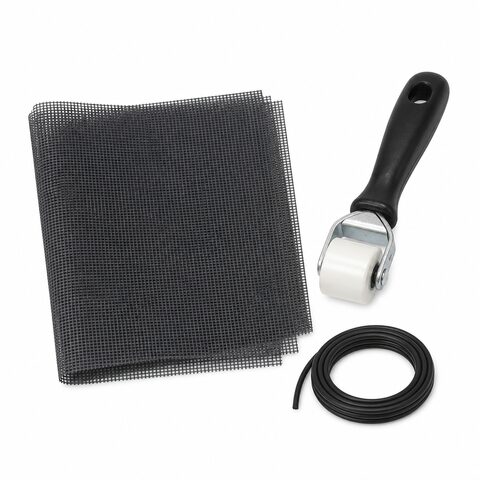
Window screen repair kit
A torn screen is a mosquito and fly door. Patch or respline. Attic vents still need hardware cloth, not fiberglass, if rodents are the pressure.
Hardware
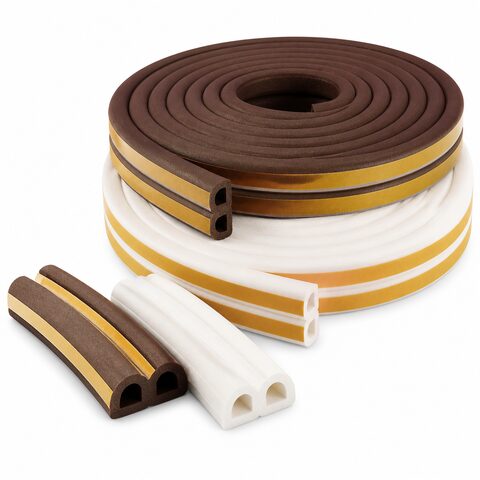
Door and window weatherstripping
Stink bugs, lady beetles, and cluster flies use the same leaky envelope as a draft. Replace flattened foam at the stop. Pair with a door sweep on the sill gap.
Prevention that actually sticks
- Porch lights that draw fewer insects at bedroom windows.
- Tighten rural housing envelopes.
When to hire a licensed professional
Any suspected indoor infestation in endemic counties plus medical care for unexplained cardiac or fever symptoms with exposure history. Pest control is exclusion-heavy.
United States and Tier 1 notes
Texas and the Southwest are the US conversation. Latin America has a much larger Chagas burden — travelers and immigrants need clinicians, not this page as epidemiology. Not a New England pest.
Common questions
Should I test my house’s bugs for Chagas?
Public-health labs and CDC-linked programs sometimes test vectors. Start with your health department, not a random mail-order kit without guidance.