PK-B03 · Biting pests
How to get rid of Blacklegged ticks (deer tick)
Ixodes scapularis
Blacklegged ticks are the Lyme disease vector in the eastern and north-central United States, and they transmit other pathogens as well. They quest on vegetation at the lawn–woods edge, not typically in the middle of a dry mowed infield. CDC prevention is pants, repellents, tick checks, showering after being in habitat, and landscaping that dries the edge. A weekly lawn fog is not a Lyme vaccine. If you have a fever, expanding rash, or facial palsy after a tick bite, that is medical care. Removal is fine tweezers, steady pull, clean the skin — not a lit match.
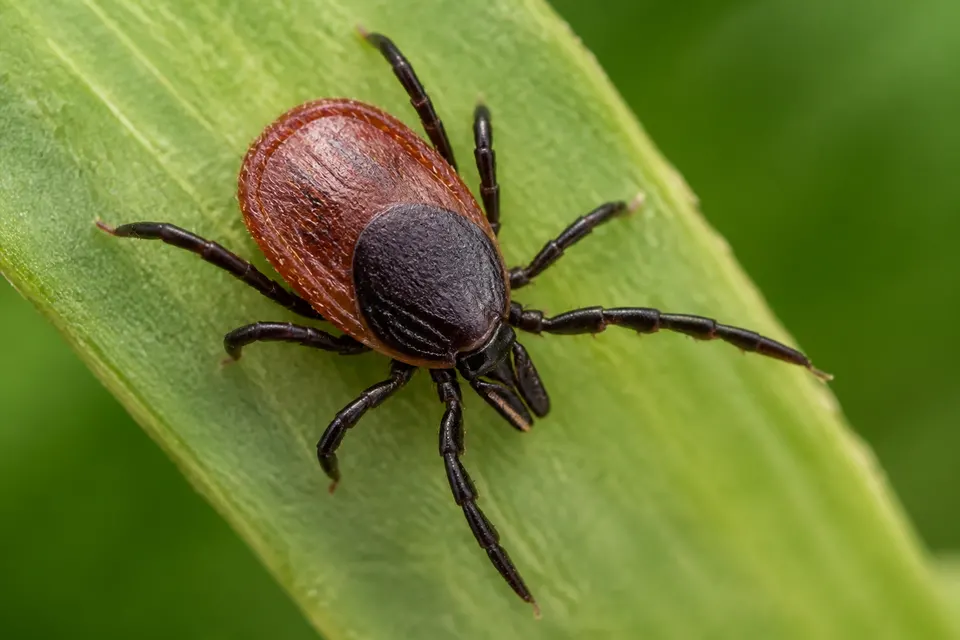
How to identify Blacklegged tick (deer tick)
- Adult females reddish body with dark scutum; nymphs poppy-seed sized and easy to miss.
- Long mouthparts relative to some other ticks; unfed adults small.
- Found in leaf litter, stone walls, and forest edges — not typically a desert tick.
Signs of an infestation
- Ticks on clothing after woods or tall grass.
- Attached tick on a person or pet.
- Local health maps showing Lyme incidence.
Biology and why they show up
Two-year life cycle in much of the East. Nymphs drive much of the summer Lyme risk because they are tiny. White-footed mice and deer are ecological players — poisoning mice is not CDC’s Lyme plan.
Health and property risk
Lyme disease, anaplasmosis, babesiosis, and others depending on region. Not every tick is Ixodes. Identification helps clinicians.
Proven control sequence
Work in this order. Skipping inspection or exclusion is why most “treatments” bounce back in a week.
- Personal protection. EPA-registered repellents, treated clothing as labeled, pants tucked, daily checks, shower after exposure.
- Remove attached ticks correctly. Fine tweezers, pull upward steadily, clean. Save the tick in a bag for ID if a clinician wants it. Do not twist with petroleum folklore as the plan.
- Landscaping the edge. CDC yard recommendations: dry barrier, move woodpiles, keep grass shorter at the woods line where practical.
- Pets through a veterinarian. Tick preventives are medical products. Do not dose from a forum.
Matching tools for these steps can be bought on Amazon. Buy the field kit.
Tools for tick checks
Fine tweezers, a shower, a full-body check. A backyard spray does not make a hike safe.
As an Amazon Associate, Pest Kill earns from qualifying purchases. The EPA label is the law for any pesticide. These links match the sequence on this page — they are not a shopping list instead of identification. Details: advertising disclosure. Browse the full tools catalog.
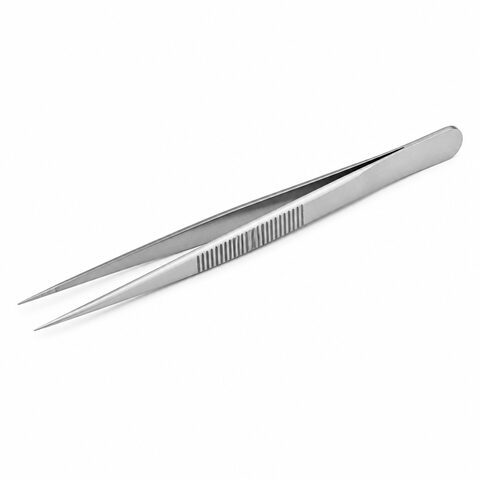
Hardware
Fine-point tick-removal tweezers
CDC still leads with a steady pull, then clean the skin. Burning, nail polish, and petroleum jelly are how people injure skin without improving removal. A yard spray is not a hike protocol.
Prevention that actually sticks
- Know your county’s CDC Lyme map, not a 2005 memory.
- Check gear and children after sports at field edges.
When to hire a licensed professional
High-risk properties may hire landscapers who understand tick IPM. Disease is always a clinician. Pest operators who only spray turf without talking about checks are selling a story.
United States and Tier 1 notes
Northeast, Mid-Atlantic, Great Lakes. Pacific Ixodes pacificus has a different disease mix (still serious). The South has more lone star ticks — different page. UK Ixodes ricinus is a different Lyme ecology — use NHS/UKHSA, not this US page as clinical gospel.
Common questions
The tick was attached two hours. Do I need antibiotics?
That is a clinician decision based on geography, species, and time. CDC has prophylaxis criteria. Do not self-prescribe from a directory.