Biting pests
Tick control around yards
Tick-borne disease is a US public-health issue, not a lawn-cosmetic issue. Blacklegged ticks, American dog ticks, and lone star ticks have different maps. CDC emphasizes personal protection, landscaping that dries the yard edge, and treating pets as a veterinarian directs. Broadcast yard sprays have a place in high-risk properties when labeled and timed; they are not a substitute for pants and a tick check.
When this method is the right tool
Use this method if you live in Lyme-endemic counties, hunt, or have a wooded lot meeting lawn. Pets that go outdoors are part of the system.
How to do it
- Change the edge. Keep grass shorter, move wood piles, put a dry barrier (gravel or wood-chip) between lawn and woods where practical.
- Check people and pets. Shower after being in tick habitat. Check gear. Follow CDC removal technique: fine tweezers, steady pull, clean the skin.
- Talk to a veterinarian. Pet tick preventives are a medical product. Do not guess doses from a forum.
- Use labeled yard products only if needed. Target the edge, not the vegetable garden. Read pollinator and water-setback language on the label.
Personal-protection tools
Tweezers for the check. Yard products are a labeled, pollinator-aware extra — not a substitute for socks and a shower.
As an Amazon Associate, Pest Kill earns from qualifying purchases. The EPA label is the law for any pesticide. These links match the sequence on this page — they are not a shopping list instead of identification. Details: advertising disclosure. Browse the full tools catalog.
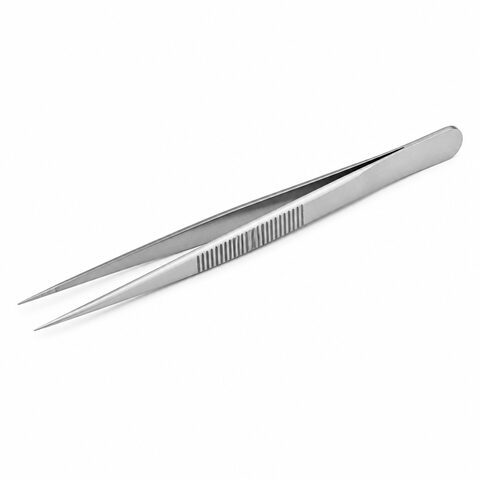
Hardware
Fine-point tick-removal tweezers
CDC still leads with a steady pull, then clean the skin. Burning, nail polish, and petroleum jelly are how people injure skin without improving removal. A yard spray is not a hike protocol.
Mistakes that waste money
- Burning ticks off skin (injury without better removal).
- Assuming a backyard spray makes hiking safe without checks.
Safety
Fever, rash, or facial palsy after a tick bite is medical care. CDC maps change; use current agency pages, not a memory of 2012.