Foundation
Exclusion and sealing
Exclusion is the control method that still works after you leave town. Rodents enter through gaps larger than 6 mm (mice) or 12 mm (rats). Bats use even smaller unguarded vents. Insects use weep holes, utility penetrations, and warped door sweeps. A bait program without exclusion is a buffet with a revolving door.
When this method is the right tool
Use exclusion on rodents, wildlife, overwintering invaders (stink bugs, cluster flies, lady beetles), house centipedes and other moisture wanderers, and any pest that commutes from outside. Do not screen a vent until you know animals are not trapped inside.
How to do it
- Walk the envelope. Inspect the foundation, soffits, utility entries, garage door seal, chimney cap, and roof-to-wall joints in daylight and with a flashlight at dusk.
- Measure the gap. Mice need a hole the diameter of a pencil. If a credit card slides under a door, so can an insect and a draft of mosquito weather.
- Pick materials that match the pest. Steel wool or copper mesh plus sealant for rodents; hardware cloth (1/4 inch) for vents; chimney caps for raccoons; door sweeps for all of the above. Expanding foam alone is a snack for rats.
- Do not trap wildlife inside. Install one-way doors for bats and some wildlife only after young have left, and usually with a licensed operator. Sealing a maternity colony in an attic is how you create a smell and a legal problem.
- Fix moisture while you are there. A sealed but wet crawlspace still grows fungus gnats, termites, and carpenter ants.
Hardware this method is written for
Mesh and sweeps close the holes the article tells you to find. Foam alone is a snack.
As an Amazon Associate, Pest Kill earns from qualifying purchases. The EPA label is the law for any pesticide. These links match the sequence on this page — they are not a shopping list instead of identification. Details: advertising disclosure. Browse the full tools catalog.
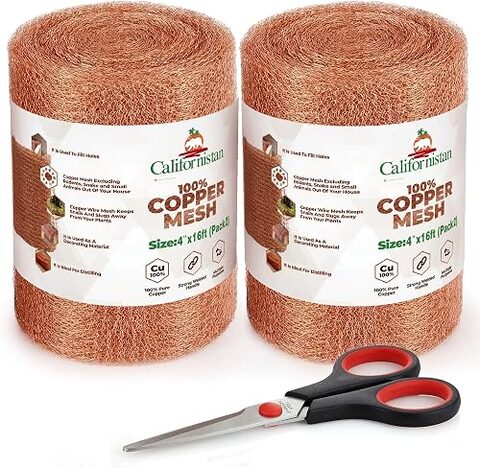
Hardware
Copper mesh for rodent gaps
Stuff quarter-sized and smaller holes after you know the runways. Steel wool rusts and gets pulled out. Mesh is not a substitute for a door sweep on a half-inch gap.
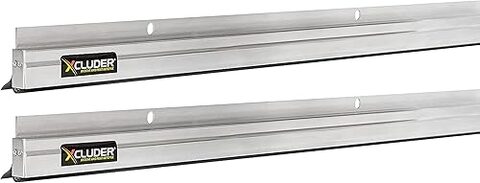
Hardware
Door sweep / garage threshold seal
The gap under an alley or garage door feeds more rats than a bait station on the wrong wall. Measure the gap. A sweep is exclusion, not a gadget.
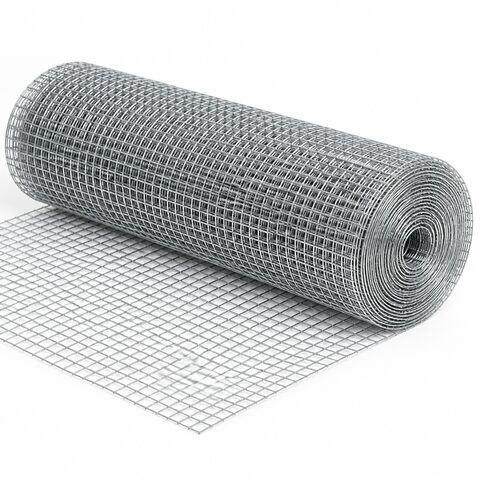
Hardware
1/4-inch galvanized hardware cloth
Cut patches for vents, soffits, and the gaps foam cannot hold. Quarter-inch mesh stops mice; rats need a heavier gauge and no loose edges. Fasten to wood or masonry, then seal the rim.
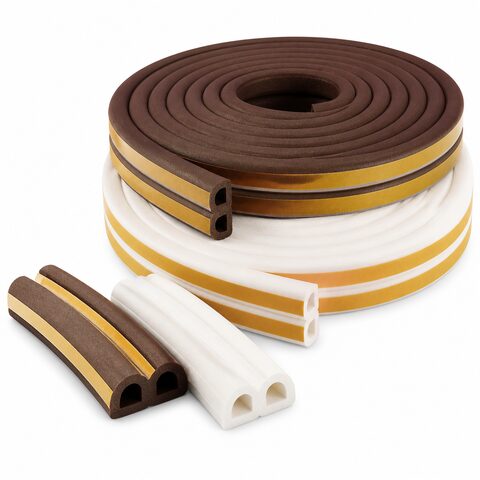
Hardware
Door and window weatherstripping
Stink bugs, lady beetles, and cluster flies use the same leaky envelope as a draft. Replace flattened foam at the stop. Pair with a door sweep on the sill gap.
Hardware
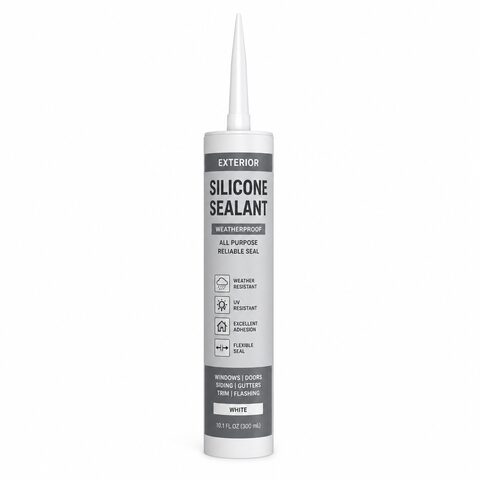
Exterior sealant for gaps and joints
Seal utility penetrations, trim joints, and hairline gaps after you know nothing is trapped inside. Sealant without mesh is not a rat patch. Keep it off weep holes that a wall needs to drain.
Mistakes that waste money
- Using only spray foam on rodent holes.
- Capping a chimney with animals still in the flue.
- Leaving pet doors unsecured at night in raccoon country.
Safety
Wear gloves and eye protection. Old homes may have lead paint or asbestos in caulk — do not sand blindly. Wildlife may bite; do not reach into a dark void.
Pests this method is written for
- Norway rat
- House mouse
- Raccoon
- Bat (structure occupancy)
- Brown marmorated stink bug
- Cluster fly
- House centipede
- Smokybrown cockroach
Common questions
Will steel wool rust?
Yes, in wet sites. Use copper mesh or hardware cloth in masonry that stays damp, then seal.