PK-W01 · Nuisance wildlife
How to get rid of Raccoons
Procyon lotor
Raccoons are rabies-vector mammals that open chimneys, attics, and pet doors. The professional sequence is inspect for young, use a legal one-way door, then rebuild with a chimney cap and metal. Mothballs in an attic are not a legal wildlife fumigant in occupied housing. Do not treat them like Norway rats with indoor bait. CDC rabies rules apply to bites and to bats in rooms — raccoons share the vector conversation. Relocation across county lines is often illegal and dumps your problem on a park.
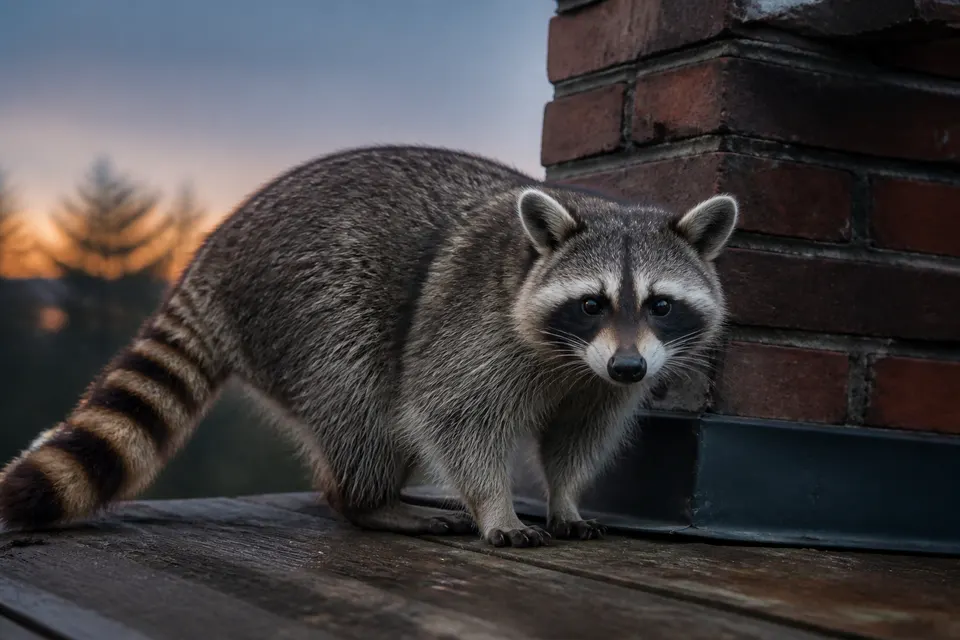
How to identify Raccoon
- Masked, ringed tail, hand-like tracks in mud, nocturnal.
- Latrines on roofs and attics (round droppings — parasite risk).
- Chimney and soffit damage, torn vents.
Signs of an infestation
- Thumping in the attic after dark.
- A face in a dumpster. Pet-door raids.
- Destroyed bird feeders and pond fish.
Biology and why they show up
Intelligent, dexterous, seasonal young in dens. Urban food is garbage and pet food. They den in chimneys and attics.
Health and property risk
Rabies exposure (medical), Baylisascaris (raccoon roundworm) in latrines — do not dry-sweep attic feces as a hobby, follow public-health cleaning. Bites. Structural damage.
Proven control sequence
Work in this order. Skipping inspection or exclusion is why most “treatments” bounce back in a week.
- Do not seal young inside. Spring dens in chimneys are a classic cruelty and odor disaster. Confirm occupancy.
- One-way door then metal cap. Licensed NWCO in most cities. Chimney cap that meets fire code.
- Remove latrines with PPE and public-health cleaning. Baylisascaris is why you do not broom dry feces. Wet, bag, do not inhale dust.
- Secure garbage and pet doors. The attractant is the reason the next raccoon comes.
Matching tools for these steps can be bought on Amazon. Buy the field kit.
Tools for raccoon exclusion
Cap the chimney, screen the vent, after you know the animal can leave. Young in a flue are a licensed wildlife job in many places.
As an Amazon Associate, Pest Kill earns from qualifying purchases. The EPA label is the law for any pesticide. These links match the sequence on this page — they are not a shopping list instead of identification. Details: advertising disclosure. Browse the full tools catalog.
Hardware
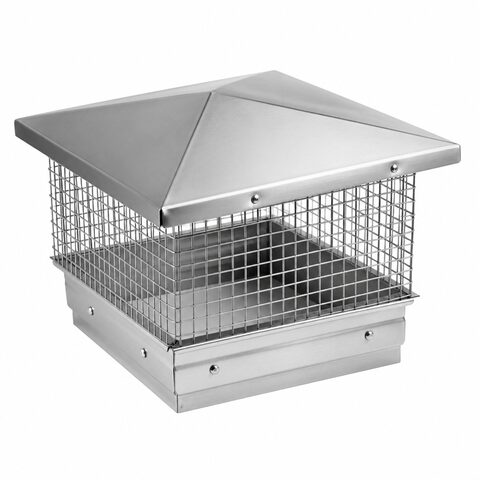
Animal-guard chimney cap
An open flue is a raccoon and bird motel. Cap it after you know the chimney is empty. A cap is exclusion. A live trap in an attic with young inside is a different, often licensed, job.
Hardware
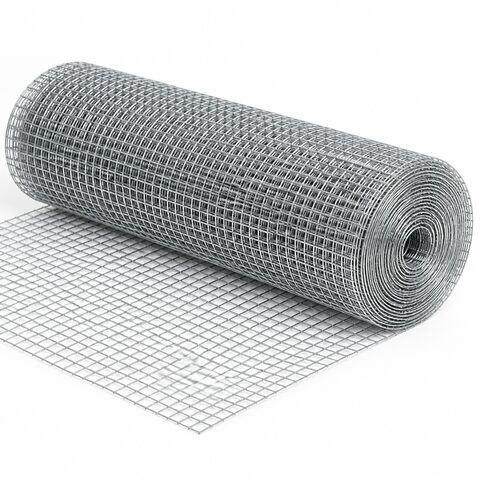
1/4-inch galvanized hardware cloth
Cut patches for vents, soffits, and the gaps foam cannot hold. Quarter-inch mesh stops mice; rats need a heavier gauge and no loose edges. Fasten to wood or masonry, then seal the rim.
Hardware
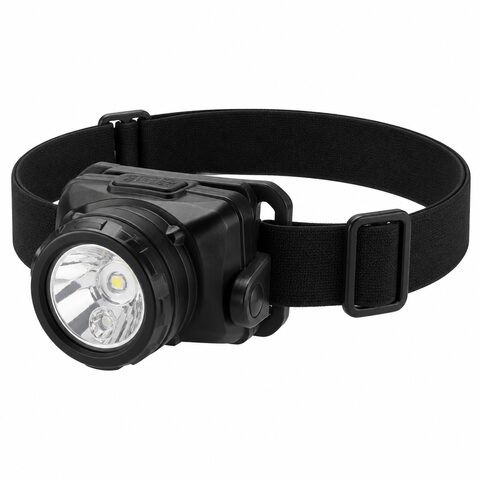
Headlamp or flashlight for inspections
German cockroaches, rodent runways, and bed-bug harborages are night-shift jobs. A light you can point into a hinge beats another can of spray.
Prevention that actually sticks
- Chimney caps before den season.
- No pet food on a porch overnight.
- Lock dumpsters.
When to hire a licensed professional
Almost always for occupied structures. Rabies: public health, not a trap aisle.
United States and Tier 1 notes
US-wide except some true deserts. Canada similar. Not a UK native (invasive on some islands). Japan has introduced raccoons as a separate invasive story.
Common questions
Can I live-trap and drive it to the woods?
Often illegal, often fatal to the animal, and it does not fix the chimney. Cap the chimney.