PK-R04 · Rodents
How to get rid of Deer mice
Peromyscus maniculatus
Not sure which species you have? Start with How to get rid of mice, then come back to this page for the full sequence.
Deer mice are native, big-eared, white-footed rodents with a bicolored tail. They are not house mice. CDC’s hantavirus guidance exists because deer mouse droppings and nests in poorly ventilated cabins, sheds, and seasonal homes have been associated with hantavirus pulmonary syndrome in the United States. That changes cleaning: ventilate, wet down, do not broom a dry nest. Control is still exclusion and trapping, but the cleaning step is not optional folklore. If you cannot tell Peromyscus from Mus, treat droppings in a western outbuilding as a hantavirus protocol until identified.

How to identify Deer mouse
- Bicolored tail (dark above, white below), white belly, large eyes and ears, tawny back.
- Often nested in woodpiles, cabins, vehicles, and unused trailers.
- Droppings similar in size to house mice — identification is the animal, not the pellet alone.
Signs of an infestation
- Nests of shredded fabric in stored cushions and car air intakes.
- Droppings on cabin countertops after vacancy.
- Night activity in outbuildings more than city kitchens.
Biology and why they show up
Deer mice are primarily outdoor and outbuilding rodents that move into structures when food and shelter line up, especially in fall. They cache seeds. They are excellent climbers. Population irruptions follow mast years in some landscapes.
Health and property risk
Hantavirus is the headline risk in parts of the US West. Other rodent-associated diseases are possible. Dry sweeping aerosolizes particles. CDC’s current cleaning page is the protocol, not a blog shortcut.
Proven control sequence
Work in this order. Skipping inspection or exclusion is why most “treatments” bounce back in a week.
- Ventilate before you clean. Open the cabin. Leave. Then wet droppings and nests per CDC guidance. Wear appropriate protection. Do not vacuum on a household setting that blows exhaust.
- Exclude the outbuilding. Screen vents, seal gaps, and weatherstrip. Mice use trailer underbellies and cabin pipe chases.
- Trap with snap traps in boxes. Place on runways. Check often. Keep pets away.
- Store food as if you were camping. Metal or heavy plastic. No open dog food in a barn.
- Rodenticides last and outdoor-only if labeled. Carcasses in walls and non-target risk remain. Prefer traps.
Matching tools for these steps can be bought on Amazon. Buy the field kit.
Tools after a deer-mouse confirmation
Trapping is only part of a western-cabin job. Cleaning droppings dry is a hantavirus mistake. Follow CDC wetting and PPE notes on the page, then close the quarter-inch gaps.
As an Amazon Associate, Pest Kill earns from qualifying purchases. The EPA label is the law for any pesticide. These links match the sequence on this page — they are not a shopping list instead of identification. Details: advertising disclosure. Browse the full tools catalog.

Hardware
Victor M150 metal-pedal mouse snap traps (12-pack)
Placement beats brand: perpendicular to the wall, on the runway, enough traps. Peanut butter stays on the pedal. A 12-pack is the right unit, not one trap in the middle of the room.
Hardware
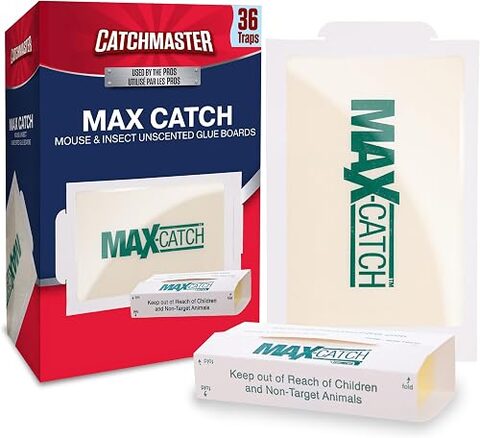
Catchmaster mouse and insect glue traps
Pre-baited boards for mice and crawling insects. Set on the runway, not in the middle of the room. Same child-and-pet caution as any glue tray.

Hardware
Ultrasonic pest repeller (plug-in)
Plug-in sound units sold for rodents, cockroaches, and other indoor pests. Cover more than one room if that is how the house is laid out. Read the pack for pet and hearing notes.

Hardware
Copper mesh for rodent gaps
Stuff quarter-sized and smaller holes after you know the runways. Steel wool rusts and gets pulled out. Mesh is not a substitute for a door sweep on a half-inch gap.
Hardware
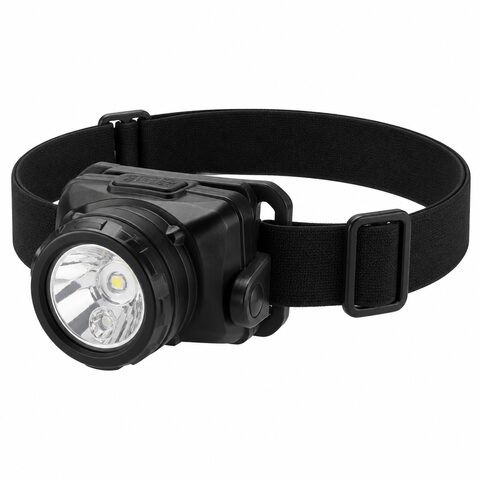
Headlamp or flashlight for inspections
German cockroaches, rodent runways, and bed-bug harborages are night-shift jobs. A light you can point into a hinge beats another can of spray.
Prevention that actually sticks
- Keep woodpiles away from cabin walls.
- Mouse-proof vehicles parked long-term (air intakes, cabins).
- Do not occupy a closed seasonal building without the cleaning protocol if droppings are present.
When to hire a licensed professional
If someone is ill with fever and respiratory symptoms after cleaning a rodent-infested building, that is emergency medicine, not pest control. For the building, a professional who understands hantavirus cleaning is worth more than a fogger.
Traps or poison?
Inside occupied rooms, snap traps plus exclusion are the usual first choice for Deer mice: you confirm the kill and you do not leave a poisoned carcass in a wall. Glue boards are a welfare and non-target problem and are restricted in some places. Rodenticides belong in labeled, tamper-resistant stations — typically outdoors — after sanitation. Indoor baiting is how pets get hurt and how vacation rentals get a smell that lasts weeks. Ultrasonic gadgets do not replace a door sweep. The rodent trapping and rodent baiting method pages cover placement and label law.
What a professional visit costs in the US
Typical residential rodent service often lands around $150–$400 for inspection and first treatment, with follow-ups and exclusion extra. Attics, sewers, food facilities, and apartment stacks cost more. Ask for the species, the runway map, and any product names. Monthly spraying with no findings is a subscription, not control.
United States and Tier 1 notes
Four Corners states, California mountains, Pacific Northwest, and parts of Canada get the most hantavirus attention. Eastern Peromyscus species overlap with white-footed mice. The Southeast’s “field mouse” in a suburban kitchen is often a house mouse — identify it.
Common questions
Is every mouse in a Colorado cabin a hantavirus risk?
Deer mice are the concern. House mice are a different risk profile. Until you know, clean as CDC directs.
Can I use bleach?
CDC describes disinfectant options including bleach solutions for wet cleaning. Follow their current mixing and ventilation instructions, not a social-media ratio.
Can I get rid of Deer mice without poison?
Yes. Inside occupied buildings, sanitation, metal exclusion, and snap traps on runways are the first tools. Indoor baiting leaves carcasses in walls and raises pet and child risk. The EPA label is the law if you still use a rodenticide — typically in outdoor tamper-resistant stations after food sources are cut. See the rodent trapping and rodent baiting method pages.
How much does professional rodent control cost in the United States?
There is no national rate card. Typical residential visits often land around $150–$400 for inspection and first service, with follow-ups extra. Exclusion, attic access, sewer cameras, and multi-family buildings cost more. Get species, runways, and product names in writing. Monthly spraying with no findings is not IPM.
When should I stop DIY and hire a licensed operator?
If someone is ill with fever and respiratory symptoms after cleaning a rodent-infested building, that is emergency medicine, not pest control. For the building, a professional who understands hantavirus cleaning is worth more than a fogger.
Do ultrasonic pest repellers work?
There is no reliable evidence that plug-in ultrasonic gadgets replace exclusion and trapping. Fix the hole. Put traps on the runway.