Start here if you searched “yard rodent identification”
Yard rodent identification
A hole in the yard is not one pest. Norway rats burrow at dumpsters and slabs. Voles run on the grass. Chipmunks stack neat holes at a stone wall. Tree squirrels use the canopy and the soffit. Use this page to name the animal, then open the matching species article for traps, exclusion, and the law.
Time of activity
Tree squirrels are daytime. Chipmunks are daytime. Norway rats and house mice are mostly night. A daylight rat often means a crowded colony, not a brave pet. If you only hear rolling in an attic after sunrise, think Eastern gray squirrel or Fox squirrel, not a sewer rat program.
Holes, runways, and where they live
| Clue | More likely |
|---|---|
| Smooth-lipped burrow at a dumpster, slab, or compost | Norway rat |
| Noises in vines, soffits, citrus — not soil burrows | Roof rat |
| Surface grooves in turf after snow; girdled young trees | Meadow vole |
| Tree or shrub dying from girdled roots; deep mulch; few lawn highways | Pine vole |
| Neat holes along a stone wall, woodpile, or stoop; stuffed cheeks | Chipmunk |
| Ridges in turf, worm diet, molehills | Mole — not a rodent |
| Attic latrine, nut shells, chewed fascia, daytime | Eastern gray squirrel or Fox squirrel |
Droppings and plant damage
House-mouse droppings are ⅛–¼ inch and pointed. Norway rat capsules are about ¾ inch along a wall. Squirrel debris in an attic is nut shells plus larger oblong droppings in insulation. Voles leave droppings in grass runways and take bark at the mulch line. If you are sealing pencil-width gaps and still hearing heavy thumps, you do not have a mouse.
Plant damage: voles eat grasses, roots, and bark. Chipmunks cache seeds and bulbs. Rats and mice focus on human food and garbage first. Do not broadcast rodenticide on a lawn — that is how dogs and raptors get hurt.
Which species page to open
Once the clues line up, use the matching article for control. Rats and mice have decision guides. Voles, squirrels, and chipmunks keep the full sequence on their species pages.
- Searched rats or mice: How to get rid of rats or How to get rid of mice.
- Turf runways or root girdling: vole pages, then Rodent trapping in the runway — not a mole fumigant unless the label matches.
- Attic by day: squirrel exclusion with metal, timed around young. Exclusion and sealing.
- Stone-wall holes: chipmunk habitat and trapping as local law allows.
Species pages
Each species article has the control sequence and safety notes. This page only splits look-alikes.
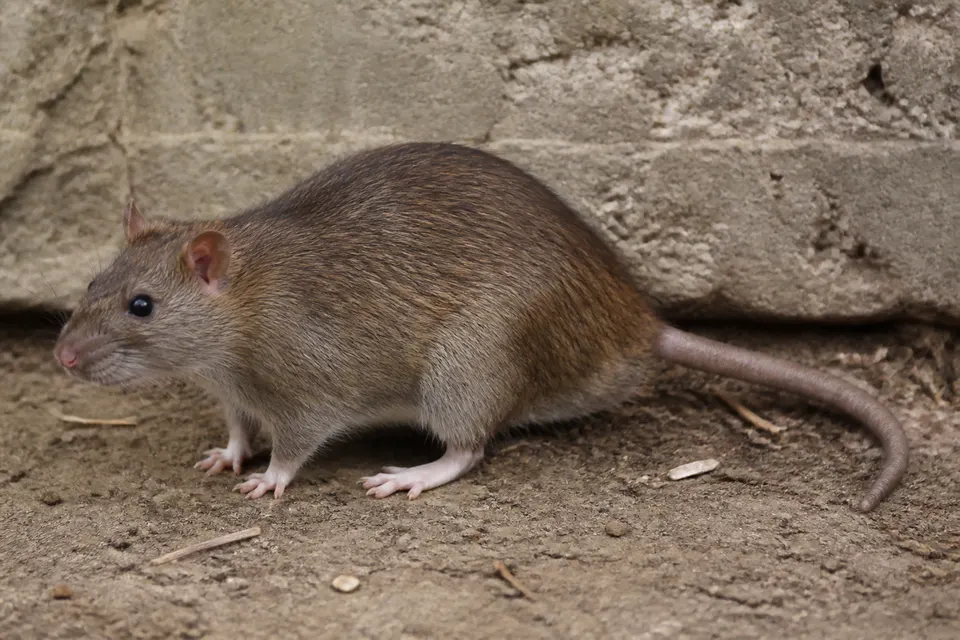
Norway rat
Rattus norvegicus
The Norway rat is the heavy, ground-dwelling commensal rat of US cities. It does not “decide” to live in…
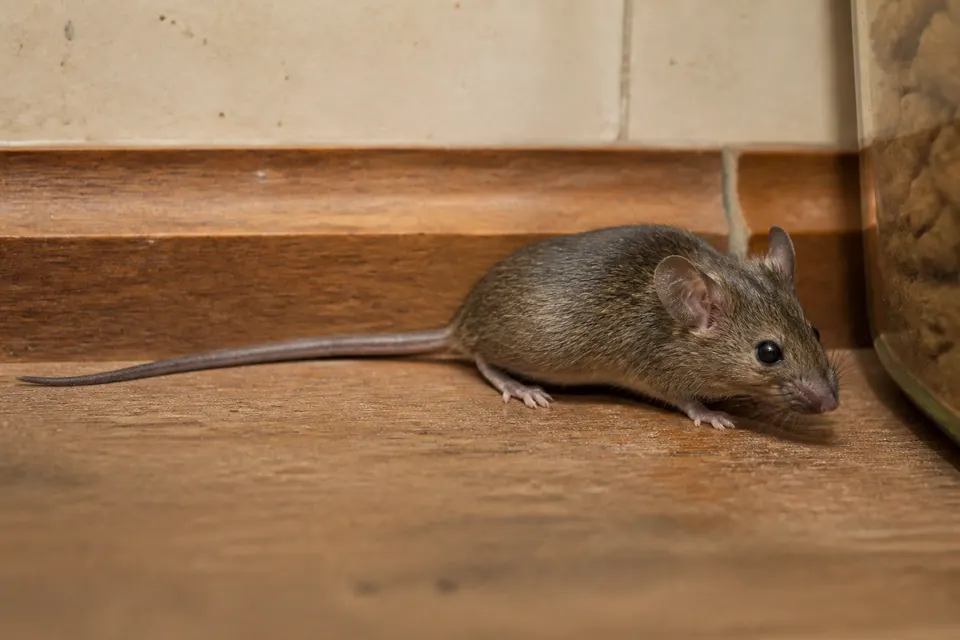
House mouse
Mus musculus
House mice succeed because they need almost no water beyond the moisture in food, they fit through a 6 mm…
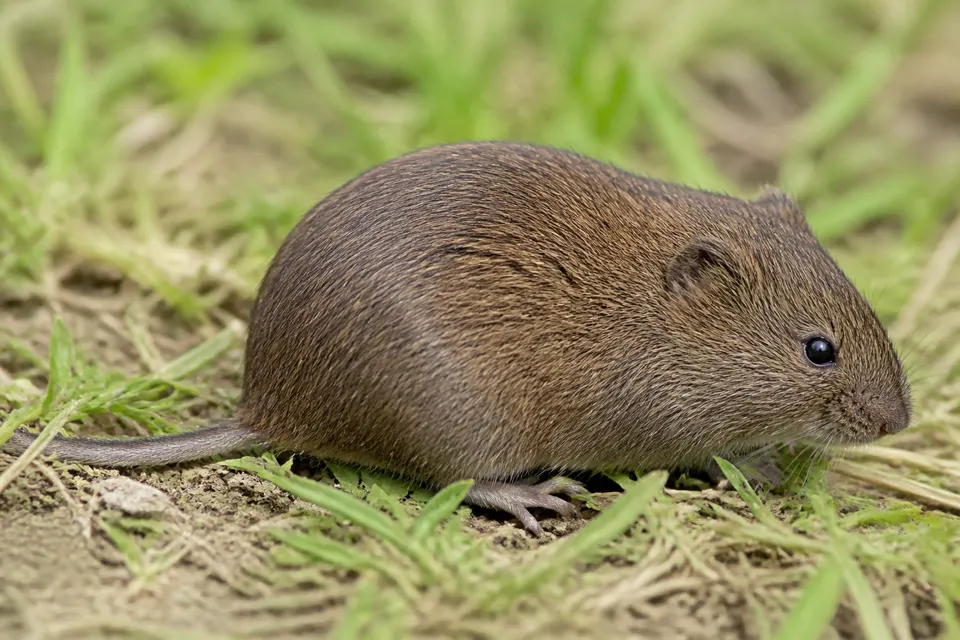
Meadow vole
Microtus pennsylvanicus
Voles are stocky, small-eared, short-tailed grassland rodents that run in surface tunnels through turf. They…
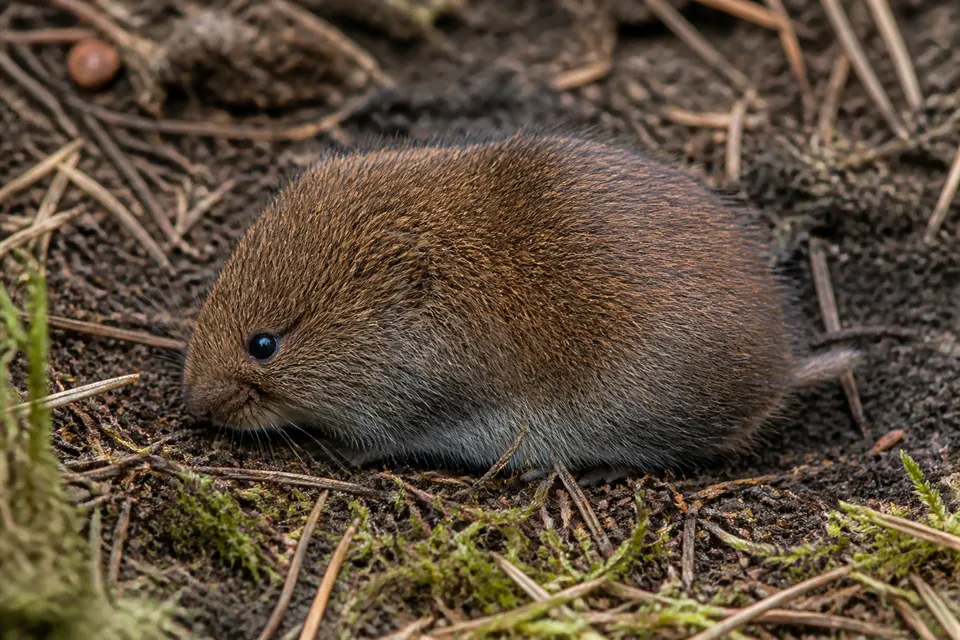
Pine vole
Microtus pinetorum
Pine voles work underground. They girdle roots, so a tree dies while the trunk looks intact — a nasty…
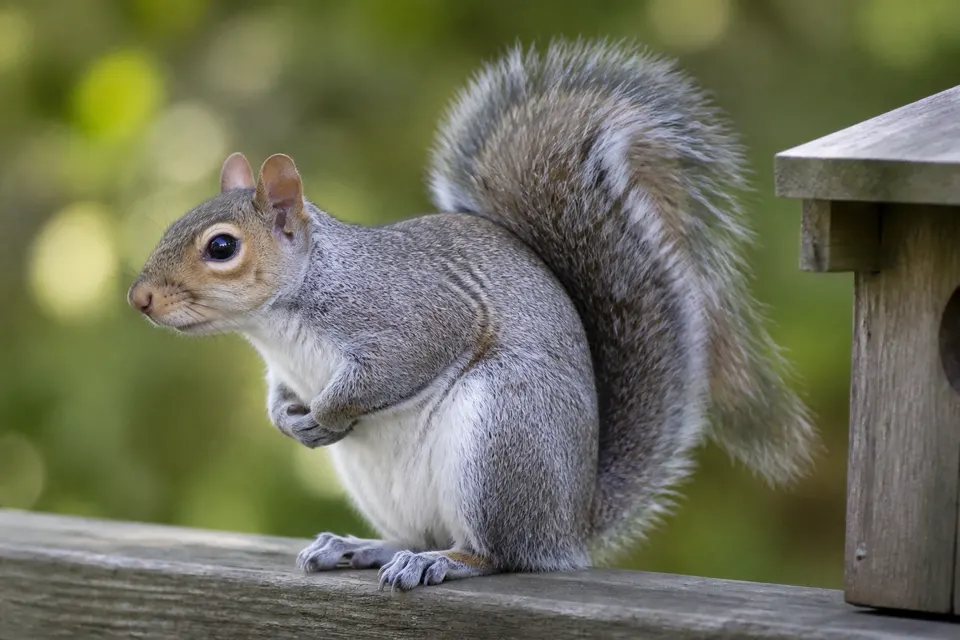
Eastern gray squirrel
Sciurus carolinensis
Gray squirrels are daytime, charismatic, and fully capable of opening a soffit like a can. Attic latrines…
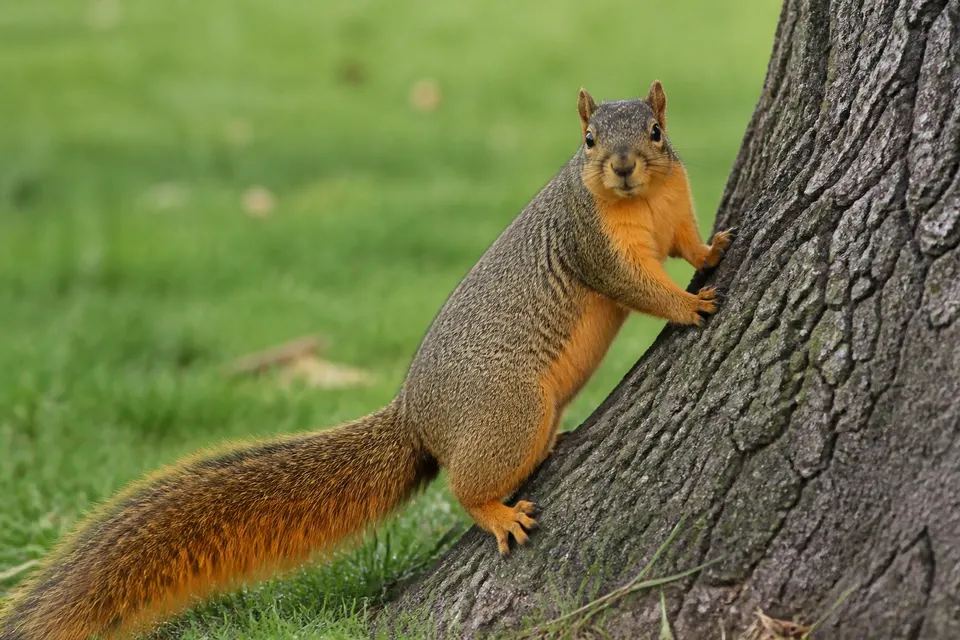
Fox squirrel
Sciurus niger
Fox squirrels are the bigger, often orange-tinged tree squirrel of Midwestern parks and Southern live oaks…
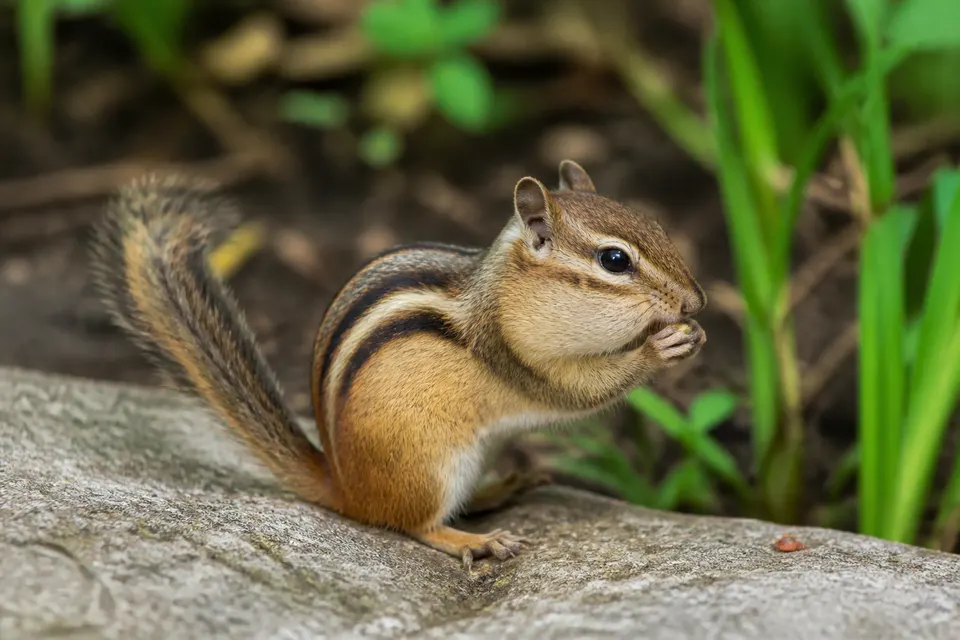
Chipmunk
Tamias / Neotamias spp.
Chipmunks are striped, diurnal, and mostly a garden and stone-wall burrow issue. They rarely “infest” a…
Common questions
Is a hole in the yard always a rat?
No. Chipmunks, voles, ground squirrels, and even crawfish or snakes use holes. Map time of day, spoil piles, and food.
Can I tell from one dropping?
Size and shape help. Location helps more. Attic nut shells are not a Norway rat sewer story.