Foundation
Integrated pest management (IPM)
Integrated pest management is not a brand. It is the order of operations used by extension entomologists, public-housing programs, and competent operators: identify the pest, measure the problem, remove what the pest needs, exclude it, then use the lowest-risk control that still works. Google’s publisher rules and EPA consumer guidance both punish reckless chemical claims. IPM is how this directory stays accurate.
When this method is the right tool
Use IPM on every infestation in this directory. It is especially important in homes with children, in food facilities, in schools, and anywhere you are tempted to fog an entire house because you saw one insect.
How to do it
- Identify the species. Catch or photograph the pest. Look-alikes waste money: drain flies are not fruit flies; roof rats are not Norway rats; wolf spiders are not brown recluses. Fire ant mounds are not pavement-ant crack nests.
- Inspect the site. Find harborages, entry points, moisture, and food. A flashlight, a moisture meter, and a notepad beat a shopping cart of sprays.
- Set a threshold. One paper wasp under an eave is not a colony of yellowjackets in a wall. Decide what “controlled” means before you treat.
- Sanitation and exclusion first. Remove food, water, clutter, and gaps. If you skip this, bait and traps become a feeding program.
- Choose a targeted control. Traps, baits, heat, or a labeled pesticide in a crack — not a broadcast fog. Match the tool to biology.
- Monitor and stop. Use monitors. When activity drops, stop applying. Monthly spraying is not IPM; it is a subscription.
A starter inspection kit
IPM starts with seeing the site. A light and a meter beat a cart of spray.
As an Amazon Associate, Pest Kill earns from qualifying purchases. The EPA label is the law for any pesticide. These links match the sequence on this page — they are not a shopping list instead of identification. Details: advertising disclosure. Browse the full tools catalog.
Hardware
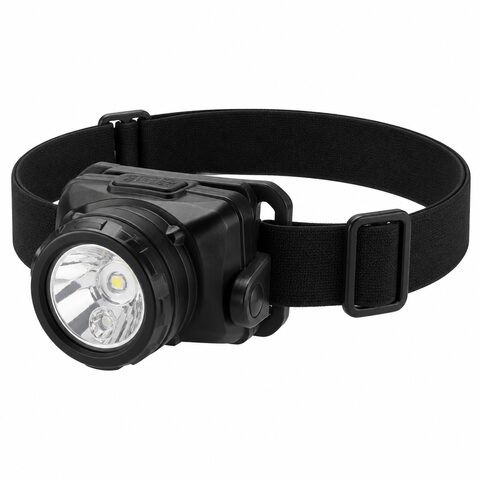
Headlamp or flashlight for inspections
German cockroaches, rodent runways, and bed-bug harborages are night-shift jobs. A light you can point into a hinge beats another can of spray.
Hardware
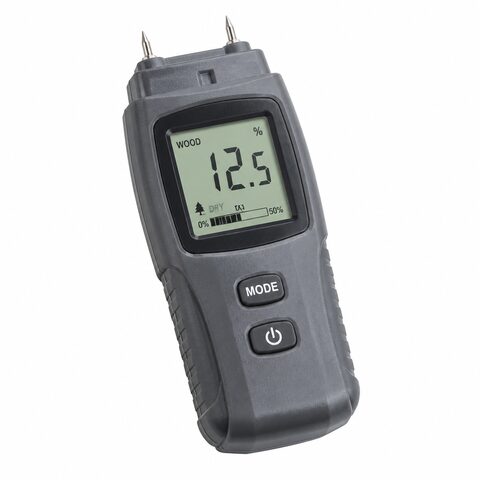
Pin-type wood moisture meter
Damp wood is carpenter-ant and termite language. A meter tells you if the sill, shower wall, or fascia is actually wet before you buy a spray. Wet still needs a building fix.
Hardware
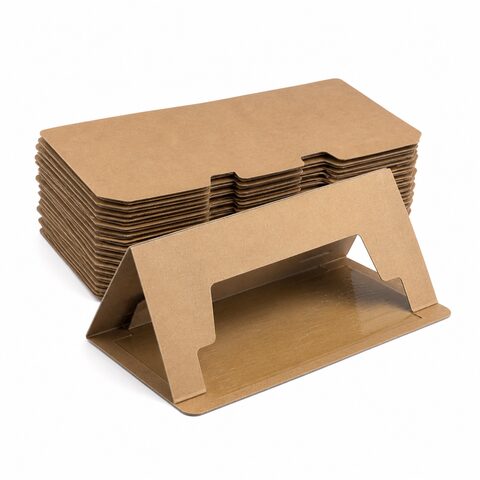
Sticky cockroach / insect monitors
Monitors tell you if the next cabinet or the next apartment is feeding yours. They are not control by themselves. Place them on the floor at harborages, not in the middle of a clean counter.
Mistakes that waste money
- Buying a fogger because the aisle end-cap said “kills everything.”
- Treating on a schedule instead of on evidence.
- Ignoring moisture, garbage, and pet food.
- Using outdoor products indoors.
Safety
IPM reduces pesticide exposure. That is a health goal, not a marketing slogan. HUD describes IPM as the standard approach in housing. If you still use a pesticide, the label is the law in the United States.
Pests this method is written for
Common questions
Is IPM the same as organic?
No. IPM may include a registered pesticide when the biology requires it. Organic is a labeling system for production. They overlap on sanitation and exclusion, not on every product.
Does IPM take longer?
Inspection takes an evening. Recurring spray programs take years. IPM is usually faster at actually ending an infestation.