PK-T01 · Termites
How to get rid of Subterranean termites
Reticulitermes spp. (and related soil-dwelling genera)
Need a look-alike split? Use Drywood vs subterranean vs dampwood termites, then follow the control sequence on this page.
Subterranean termites live in soil and build mud shelter tubes to reach wood. They are the default structural termite of the United States. Workers are pale and soft; swarmers can be confused with ants (straight vs elbowed antennae, equal vs pinched waist, two pairs of equal wings). A hardware spray on a tube does not kill a colony in the ground. Licensed liquid barriers and baiting systems exist because the colony is not in the board you see. Moisture, wood-to-soil contact, and hidden form boards feed them. If you are buying a house in Georgia, a termite letter is a document, not a vibe.
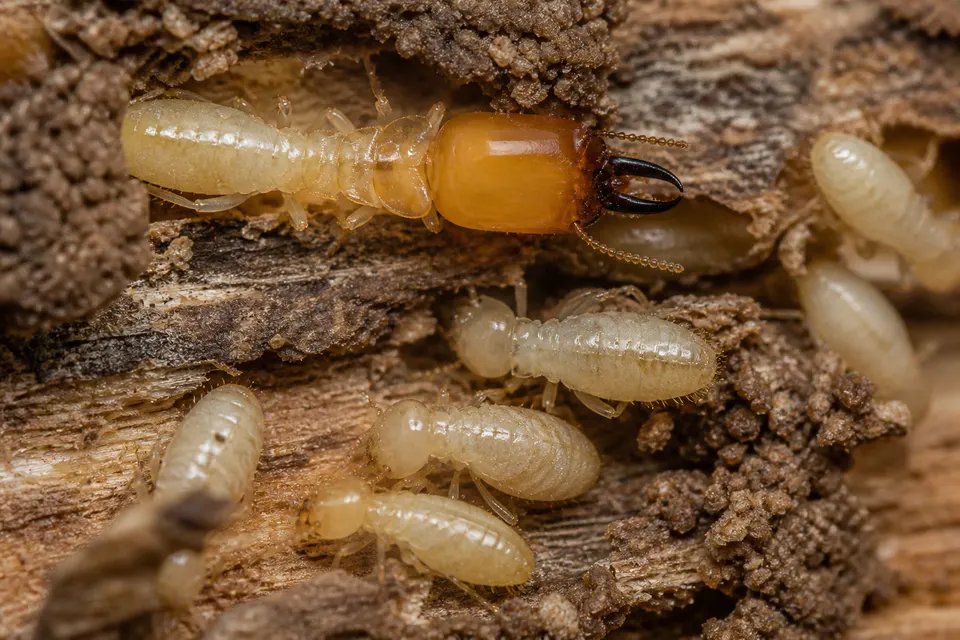
How to identify Subterranean termite
- Mud tubes on foundation walls and in crawlspaces.
- Wood that sounds hollow and breaks across the grain, often with soil in galleries.
- Swarmers: dark bodies, two equal wing pairs, straight antennae; shed wings on windowsills.
- Not carpenter ants (ants have pinched waists and elbowed antennae).
Signs of an infestation
- Shelter tubes, discarded wings, bubbling paint, sagging floors.
- Live workers in wood when probed — do not panic-spray, document and call a licensee.
Biology and why they show up
Colonies can be large and older than the house. They need soil moisture or a plumbing leak. They feed on cellulose. Swarming follows warm rains in spring in much of the US, but timing varies.
Health and property risk
Structural wood loss over years. Not a typical human disease vector. The financial risk is concentrated at real-estate transactions and in ignored crawlspaces.
Proven control sequence
Work in this order. Skipping inspection or exclusion is why most “treatments” bounce back in a week.
- Break wood–soil contact. No siding in dirt, no hidden stakes, no firewood against the house. Fix leaks.
- Inspect tubes and crawlspaces. Do not smash every tube before an inspector sees the pattern — but do not “paint over” them either. Photograph, then schedule.
- Hire a licensed treatment. Soil termiticides or in-ground bait systems. This is not a consumer aerosol category in serious infestations.
- Keep the barrier intact. Mulch volcanoes and new planters can bridge a treated zone. Irrigation against stucco is a gift to termites.
Matching tools for these steps can be bought on Amazon. Buy the field kit.
Inspection tools around subterranean termites
A moisture meter and a light help you see conditions. Soil termiticide and bait systems belong to a licensee in most US states.
As an Amazon Associate, Pest Kill earns from qualifying purchases. The EPA label is the law for any pesticide. These links match the sequence on this page — they are not a shopping list instead of identification. Details: advertising disclosure. Browse the full tools catalog.
Hardware
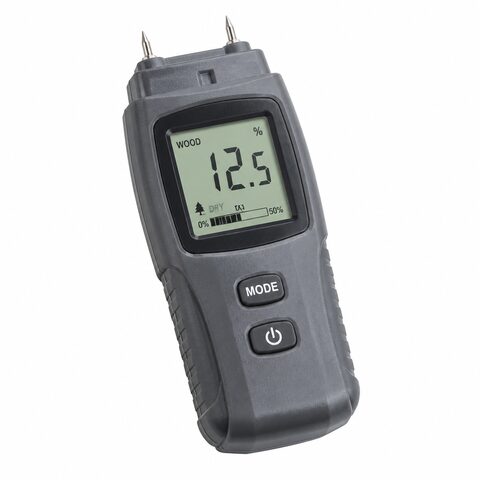
Pin-type wood moisture meter
Damp wood is carpenter-ant and termite language. A meter tells you if the sill, shower wall, or fascia is actually wet before you buy a spray. Wet still needs a building fix.
Hardware
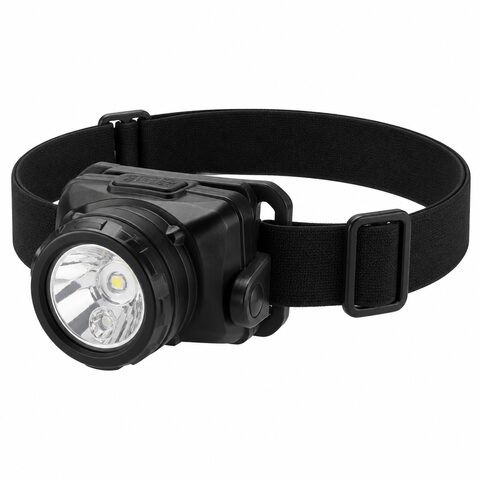
Headlamp or flashlight for inspections
German cockroaches, rodent runways, and bed-bug harborages are night-shift jobs. A light you can point into a hinge beats another can of spray.
Hardware
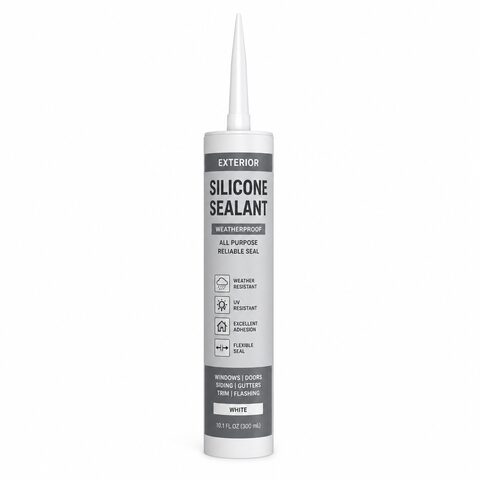
Exterior sealant for gaps and joints
Seal utility penetrations, trim joints, and hairline gaps after you know nothing is trapped inside. Sealant without mesh is not a rat patch. Keep it off weep holes that a wall needs to drain.
Prevention that actually sticks
- Grade and gutters.
- Scheduled inspections in termite country, not only at sale.
- Replace rotten fascia — wet wood is easier cellulose.
When to hire a licensed professional
Almost always for treatment. Inspection can be a licensed inspector. DIY trench-and-pour with the wrong product next to a well is how groundwater and liability happen.
United States and Tier 1 notes
Severe in the Southeast, Gulf, and much of California. Present but slower in the North. Formosan termites overlap in the Gulf — different scale. Australia has destructive subterranean species under APVMA rules. Japan and southern EU have regional soil termites — use local species names with a local inspector.
Common questions
I killed the swarmers. Is the colony dead?
No. Swarmers are dispersers. The colony remains in soil or a moisture site.
Can I treat with orange oil I saw online?
Unregistered miracle treatments are not a substitute for a labeled colony-level method. Follow EPA and your state.
How much does termite treatment cost in the United States?
Licensed termite work is a construction-adjacent service, not a retail spray. Liquid barriers, baiting systems, and drywood treatments vary widely by region, foundation type, and whether a repair is included — often from the high hundreds into several thousand dollars. Get a licensed inspection. A hardware-aisle can does not treat a colony.