PK-A01 · Ants
How to get rid of Carpenter ants
Camponotus spp.
Carpenter ants excavate damp or rotting wood to nest. They do not eat wood like termites; they dump shredded sawdust-like frass that may contain insect parts. Large workers, a smoothly rounded thorax in side view, and foraging trails to a moisture site are the clues. Spraying a kitchen trail while the parent colony sits in a wet fascia is why they return. Find the nest (often a window sill, porch column, or tree with carpenter-ant galleries), fix the moisture, then use labeled baits or professional dusts in the void. If the debris is hexagonal pellets, you have drywood termites, not ants.
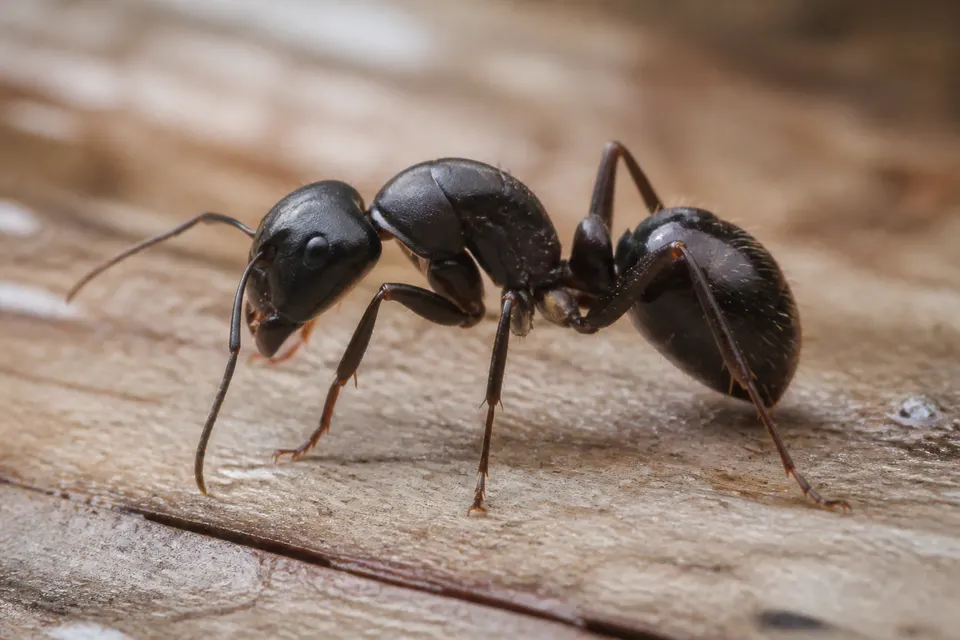
How to identify Carpenter ant
- Large ants (majors can exceed 1/2 inch), elbowed antennae, pinched waist, one node (usually) — not termites.
- Thorax evenly convex in profile (helps separate from some other ants).
- Frass of wood shavings and insect parts, not mud tubes.
- Workers polymorphic (different sizes) in the same trail.
Signs of an infestation
- Rustling in walls, especially at night.
- Piles of coarse sawdust below a sill.
- Foragers in kitchens trailing back to a wet void, not a sugar bowl as the only nest.
Biology and why they show up
Parent colonies often outdoors in trees; satellite colonies in houses. They forage at night. They need protein and sweets at different times. Moisture-damaged wood is preferred.
Health and property risk
Structural excavation in wet wood, plus the leak that invited them. Not a typical sting medical emergency (they can bite). Not termites — but the carpenter + moisture combination still costs money.
Proven control sequence
Work in this order. Skipping inspection or exclusion is why most “treatments” bounce back in a week.
- Find the moisture nest. Follow night foragers with a dim light. Check fascia, decks, and window frames with a screwdriver (gently).
- Repair the water. Without this, baits are a subscription.
- Bait what they want this week. Protein vs sugar preference shifts. Use carpenter-ant labeled baits along trails, not a random sugar ant product only.
- Treat the void professionally if needed. Dusts in wall voids are not a consumer guess next to electrical.
Matching tools for these steps can be bought on Amazon. Buy the field kit.
Tools for carpenter ants
Follow the moisture. Gel that matches carpenter-ant labels, then repair the wet wood. Kitchen sugar bait is the wrong biology.
As an Amazon Associate, Pest Kill earns from qualifying purchases. The EPA label is the law for any pesticide. These links match the sequence on this page — they are not a shopping list instead of identification. Details: advertising disclosure. Browse the full tools catalog.
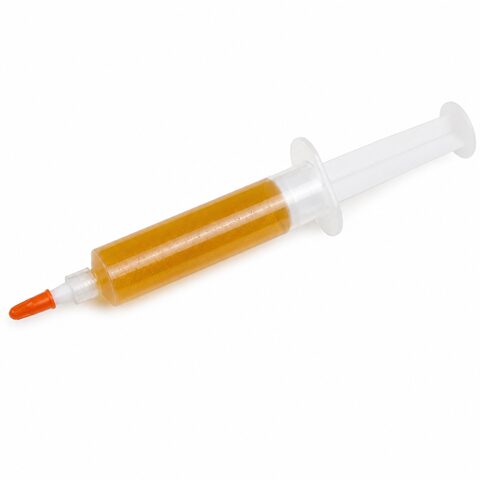
Labeled product
Carpenter ant gel bait
Carpenter ants are a moisture-and-wood story, not a TERRO liquid-sugar story. Place labeled gel where foragers actually run. Fix the damp wood or the nest stays in the timber.
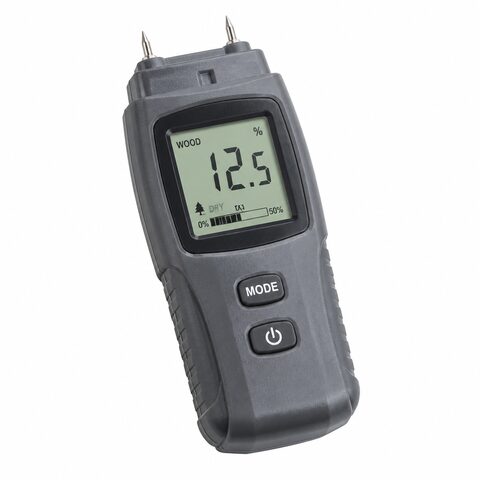
Hardware
Pin-type wood moisture meter
Damp wood is carpenter-ant and termite language. A meter tells you if the sill, shower wall, or fascia is actually wet before you buy a spray. Wet still needs a building fix.
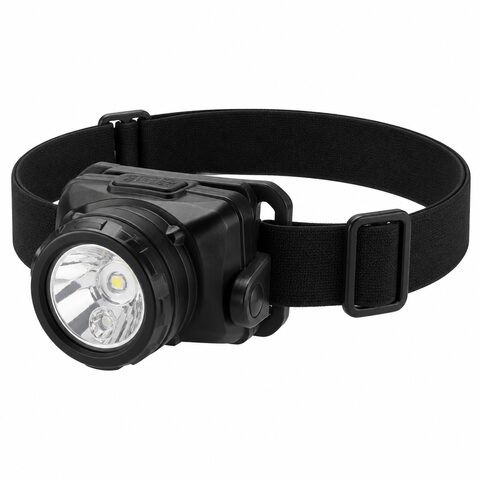
Hardware
Headlamp or flashlight for inspections
German cockroaches, rodent runways, and bed-bug harborages are night-shift jobs. A light you can point into a hinge beats another can of spray.
Prevention that actually sticks
- Trim branches off the roof.
- Keep firewood off siding.
- Fix flashing.
When to hire a licensed professional
When you cannot find the satellite nest, or it is in a structural beam. Termite vs ant confusion also deserves a licensee.
United States and Tier 1 notes
Very common in the Northeast, Pacific Northwest, and Great Lakes. Florida has different Camponotus species with similar moisture logic. UK carpenter ants are less of a housing headline than Camponotus in US forests.
Common questions
Do they eat the house like termites?
They excavate nesting galleries in wood, especially damp wood. They do not consume cellulose as their food the way termites do. Fix moisture either way.