Ants
Ant identification and control
Spraying a trail of ants with a contact aerosol is how you create satellite colonies and a month of worse activity. Ant control is species-specific: carpenter ants excavate damp wood; Pharaoh ants fragment when sprayed; fire ants are a medical and agricultural problem in the South; odorous house ants nest in wall voids and switch foods.
Baits work when the colony still wants the bait. Identify first. For fluffy lawn mounds and sting risk, use fire ant mound identification, then the fire ant page for bait versus mound treatment.
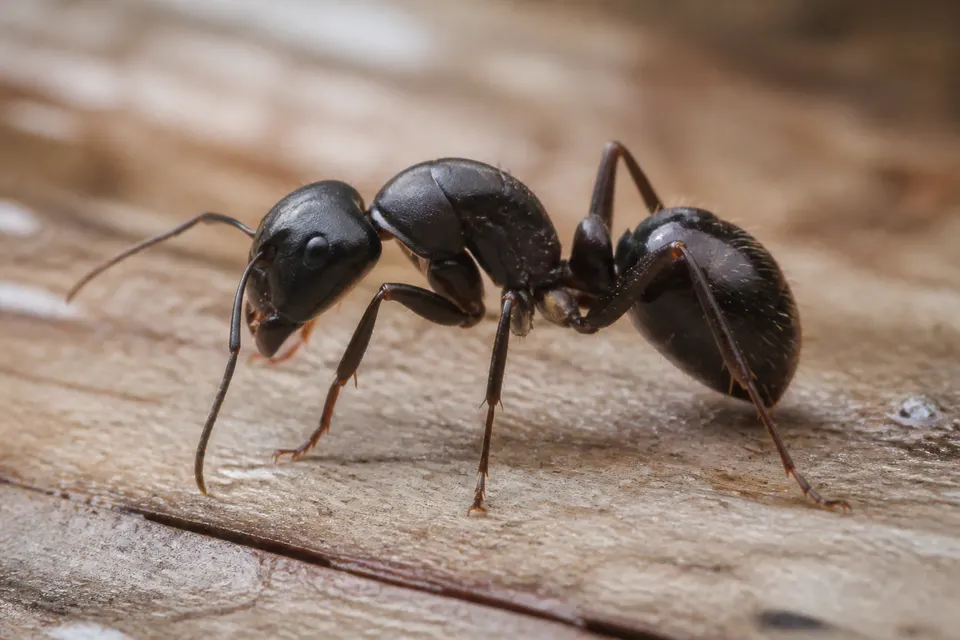
Carpenter ant
Camponotus spp.
Carpenter ants excavate damp or rotting wood to nest. They do not eat wood like termites; they dump shredded sawdust-like frass…
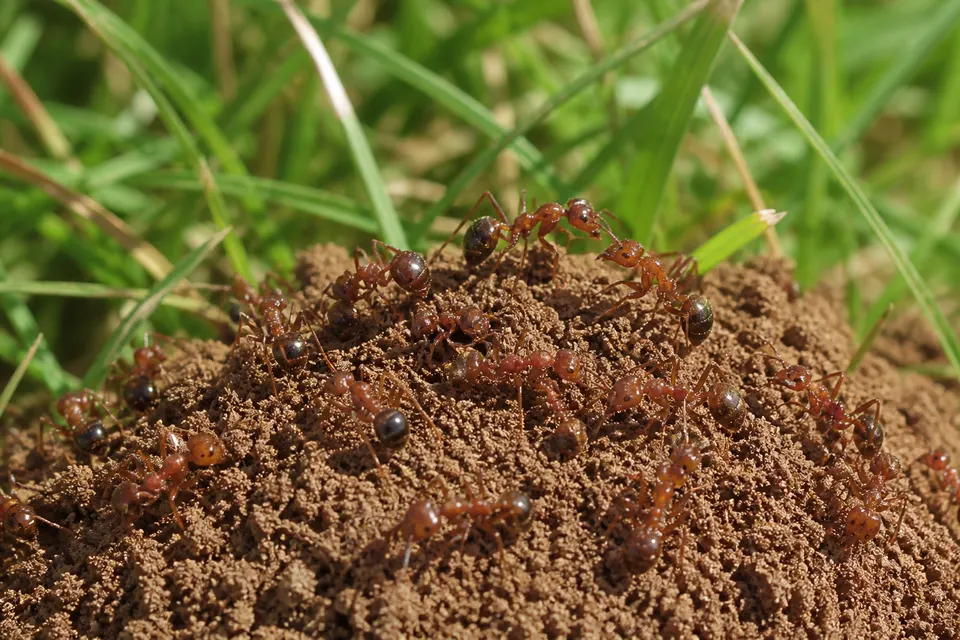
Red imported fire ant
Solenopsis invicta
Fire ants build fluffy mounds in yards, parks, and electrical equipment. They sting in groups. For some people that is medical…
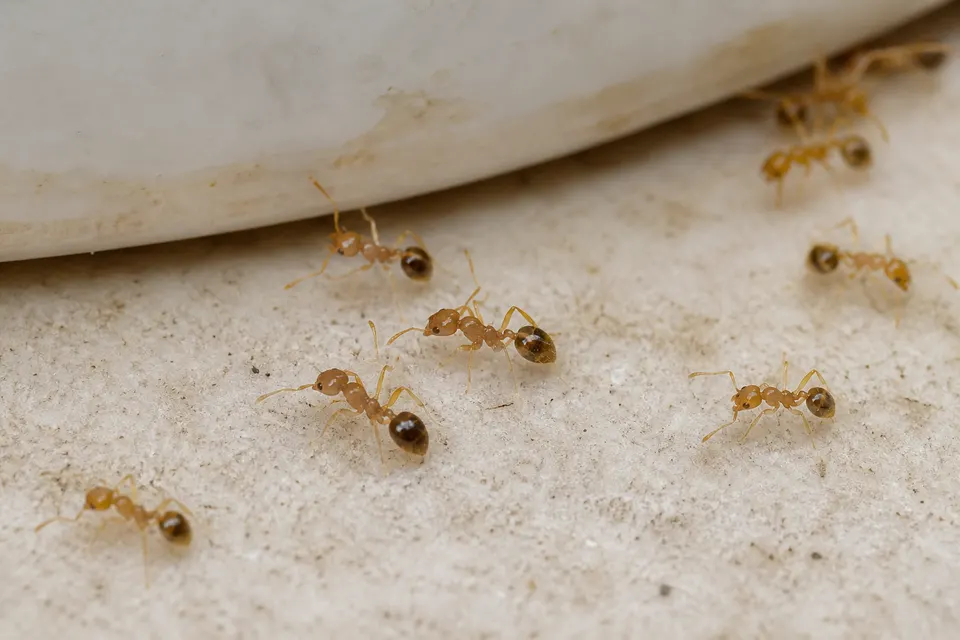
Pharaoh ant
Monomorium pharaonis
Pharaoh ants are tiny, yellowish, and famous for budding: spray a trail and you create many new colonies. Hospitals dislike them…
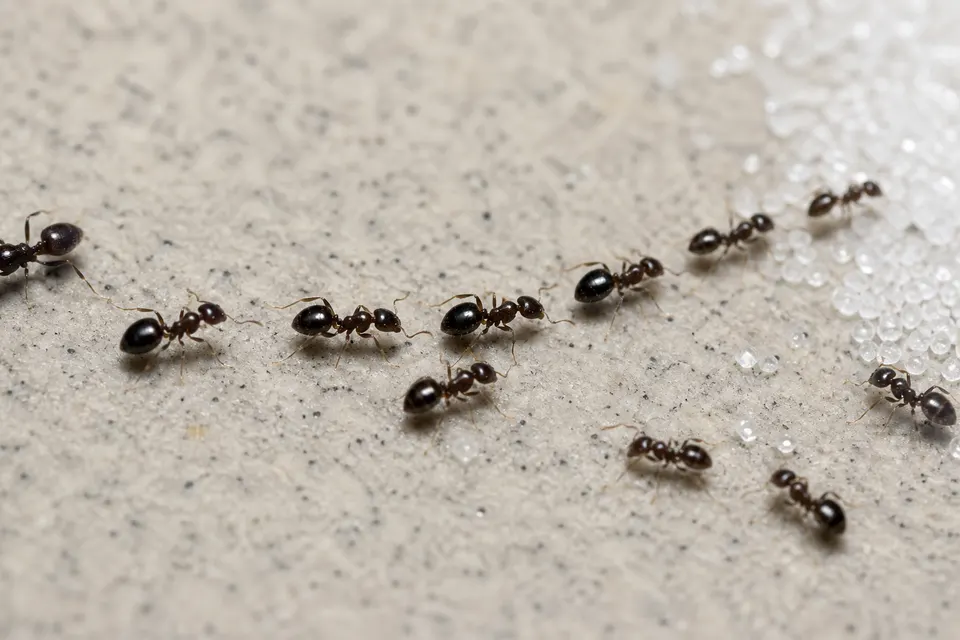
Odorous house ant
Tapinoma sessile
Crush one and you may smell rotten coconut. Odorous house ants nest in wall voids, mulch, and under siding. They switch foods…
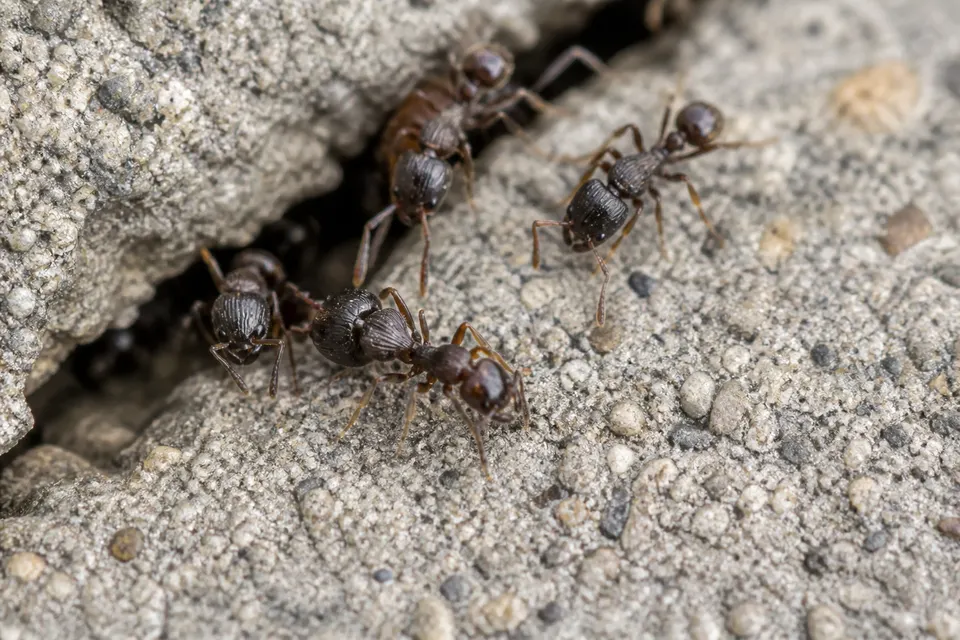
Pavement ant
Tetramorium immigrans (and related)
Pavement ants push little volcanoes of soil from sidewalk cracks and fight neighboring colonies in spring. They wander indoors…
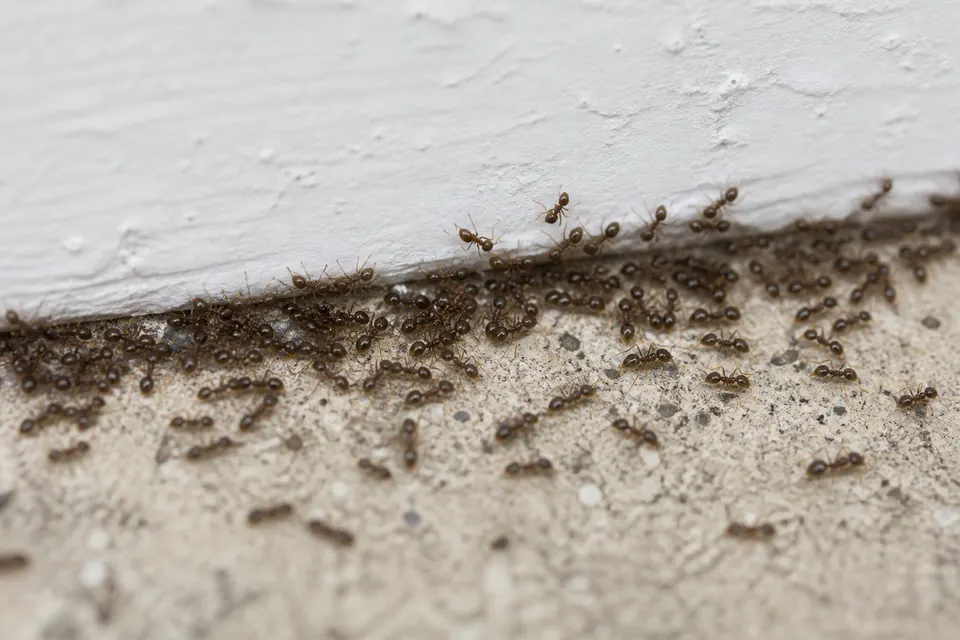
Argentine ant
Linepithema humile
Argentine ants form enormous supercolonies. In coastal California they replace native ants and then treat your kitchen as one…
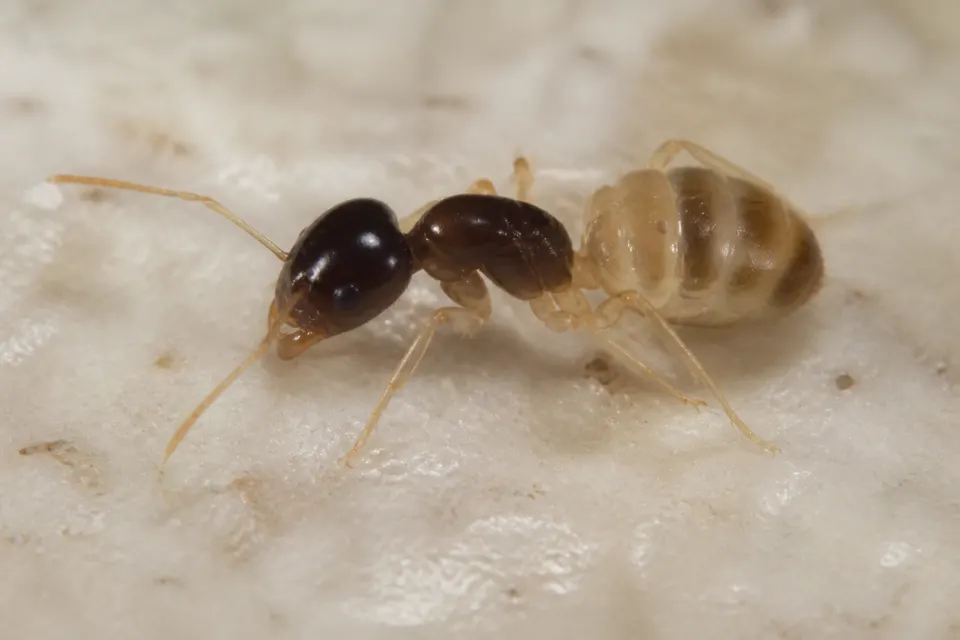
Ghost ant
Tapinoma melanocephalum
Ghost ants have dark heads and pale, translucent legs and abdomens. They nest in tiny moist voids — plant pots, wall voids…
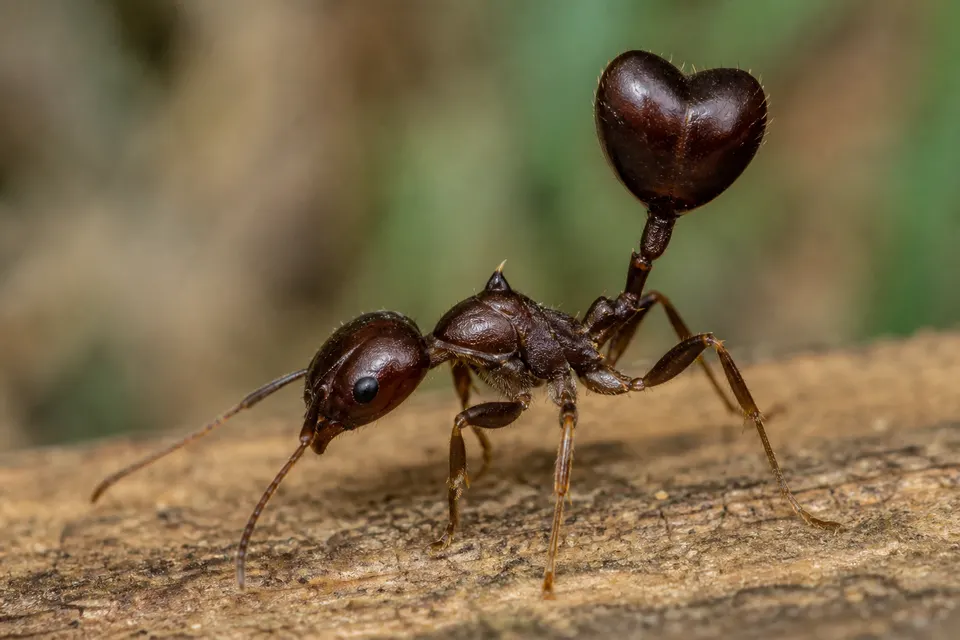
Acrobat ant
Crematogaster spp.
Acrobat ants heart-shape their gaster over the thorax when disturbed — a field mark. They nest in wet or foam-filled voids and…
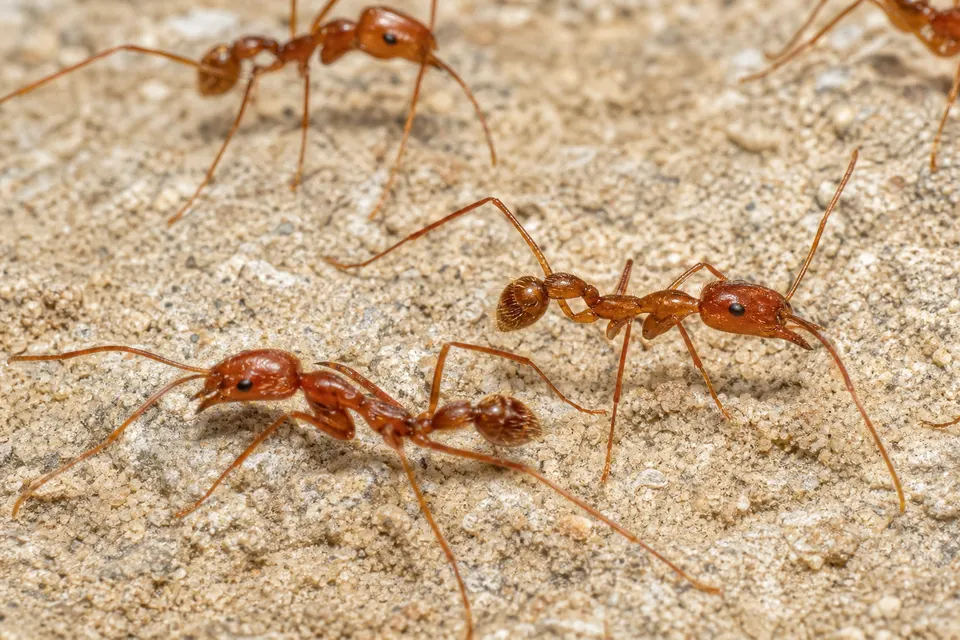
Crazy ant (including tawny crazy ant)
Nylanderia fulva and other “crazy” species
Tawny crazy ants can smother landscapes, electrical equipment, and honey bee operations on the Gulf Coast. They run erratically…
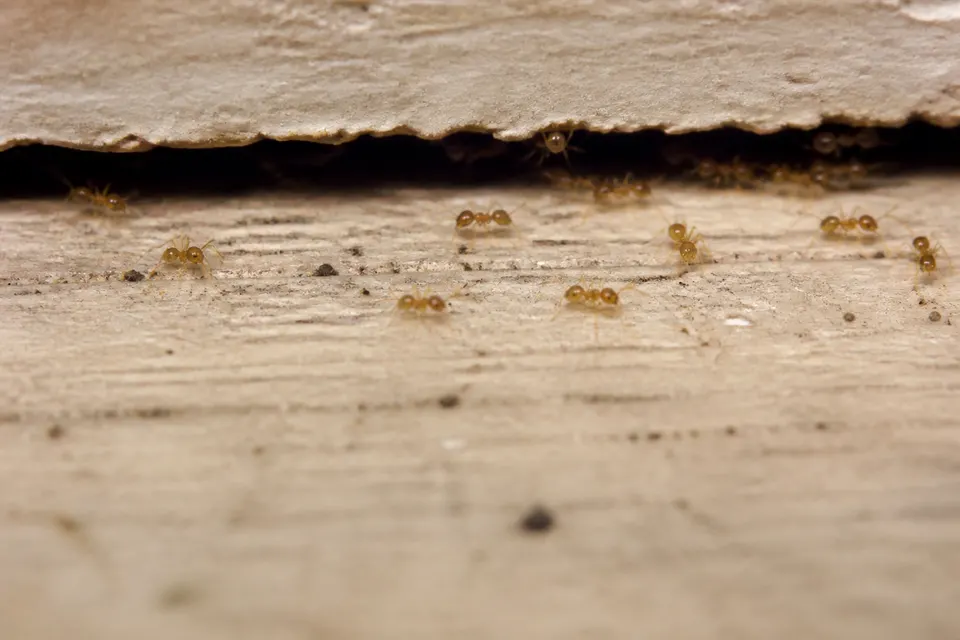
Thief ant
Solenopsis molesta
Thief ants are among the smallest household ants. They often want grease and protein more than a drop of soda. People bait with…