PK-H02 · Household invaders
How to get rid of booklice
Psocoptera (Liposcelis and others)
Booklice are tiny, pale, and appear in explosions on damp drywall, stored paper, and sometimes infested grain. They feed on mold and starch. They are a moisture meter with legs. Dry the structure and the population collapses. They are not head lice and they do not live on people. Spraying a new house for booklice without running dehumidifiers is backwards.
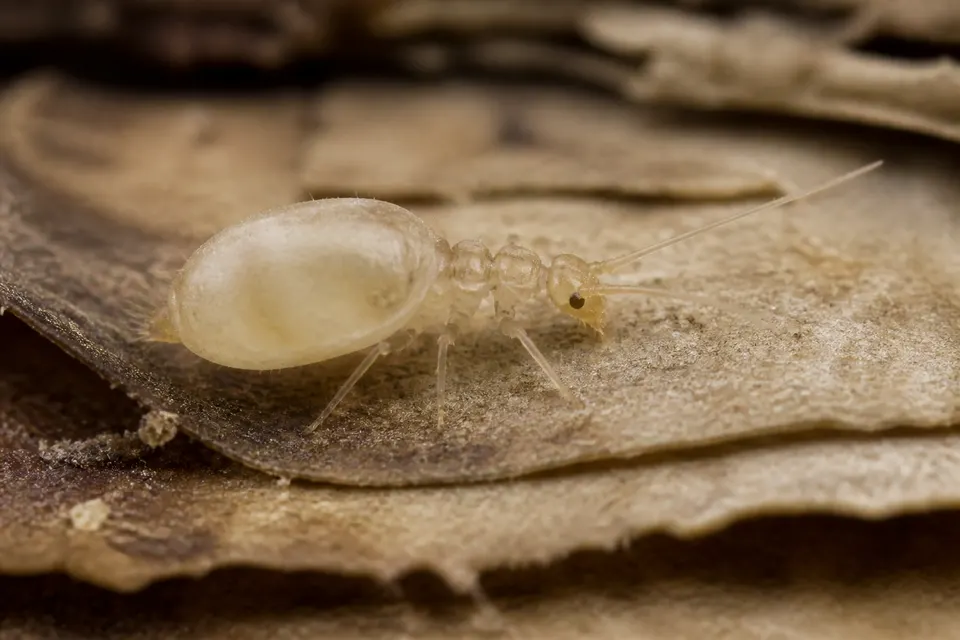
How to identify Booklouse
- Minute, pale, often wingless indoors, on walls and books.
- Associated with damp new plaster or humid storage.
Signs of an infestation
- Tiny moving specks on a recently painted damp wall.
- Inhabitants of a humid pantry of old grain.
Biology and why they show up
Rapid populations on mold films. Humidity is the switch.
Health and property risk
Nuisance, archive staining via associated mold. Not a human parasite.
Proven control sequence
Work in this order. Skipping inspection or exclusion is why most “treatments” bounce back in a week.
- Dehumidify and ventilate. The population follows the water activity of the surface.
- Discard moldy paper and grain. Do not pesticide a library as the first move.
Matching tools for these steps can be bought on Amazon. Buy the field kit.
Tools for booklice
They track moisture and mold, not a bait station. Dry the room. A meter tells you if the plaster is actually wet.
As an Amazon Associate, Pest Kill earns from qualifying purchases. The EPA label is the law for any pesticide. These links match the sequence on this page — they are not a shopping list instead of identification. Details: advertising disclosure. Browse the full tools catalog.
Hardware
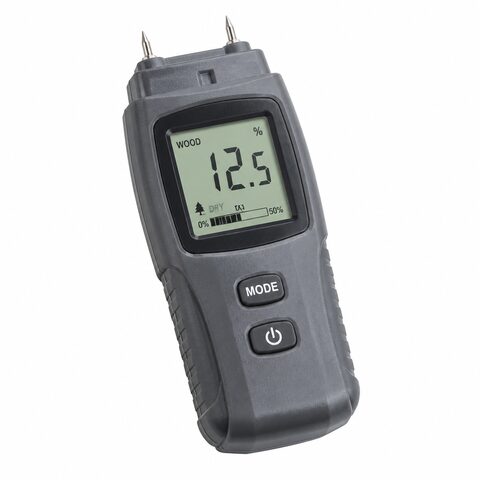
Pin-type wood moisture meter
Damp wood is carpenter-ant and termite language. A meter tells you if the sill, shower wall, or fascia is actually wet before you buy a spray. Wet still needs a building fix.
Prevention that actually sticks
- Dry new construction before boxing it up.
- Climate-control archives.
When to hire a licensed professional
Water-damage restorers plus pest operators if the source is hidden.
United States and Tier 1 notes
Any humid building. New-build “psocid blooms” are a known phenomenon.
Common questions
Will they infest my hair?
No. That is Pediculus. Booklice want damp paper and mold, not scalps.