Household invaders
Household invader identification and control
Many “bugs in the house” are moisture or overwintering stories, not filthy kitchens. Silverfish like humidity and paper. Camel crickets like crawlspaces. Brown marmorated stink bugs and Asian lady beetles pour into siding gaps on the first cold nights. House centipedes hunt other insects in damp basements — start with the house centipede page or the centipede vs millipede split if you are not sure which many-legged animal you have. Sowbugs and pillbugs are a mulch-and-moisture postcard; names live in the sowbug vs pillbug guide, removal steps on the species page. The repair is exclusion and dryness, not a weekly perimeter perfume of insecticide.
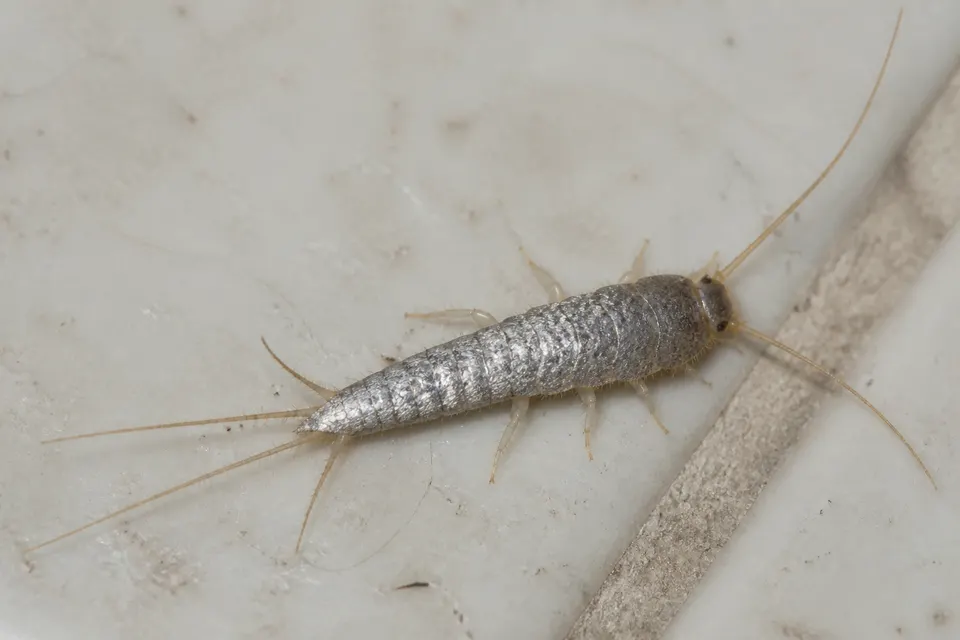
Silverfish
Lepisma saccharinum
Silverfish are wingless, silvery, carrot-shaped insects that eat starches: paper, glue, book bindings, and sometimes textiles…
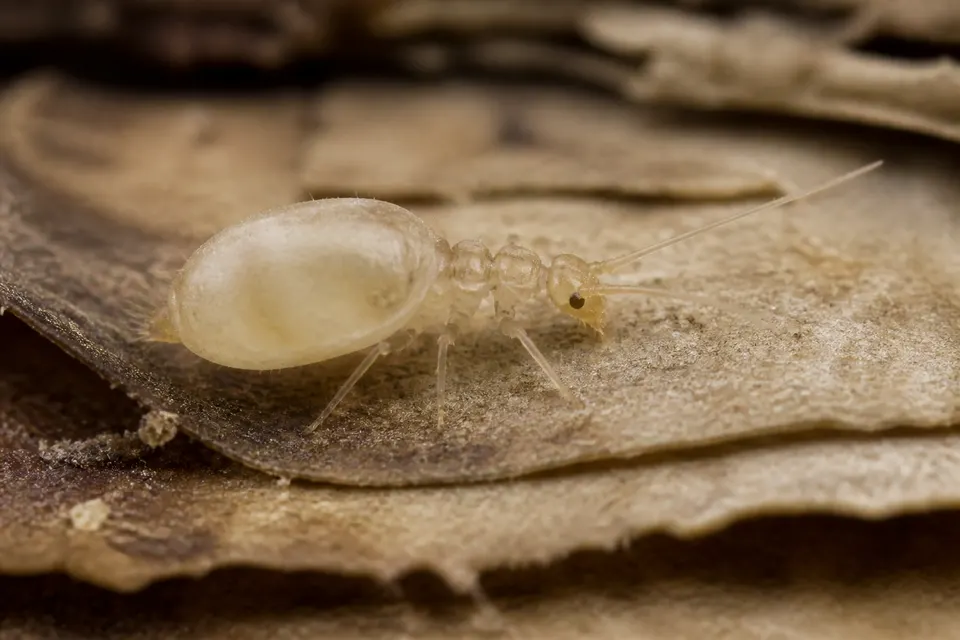
Booklouse
Psocoptera (Liposcelis and others)
Booklice are tiny, pale, and appear in explosions on damp drywall, stored paper, and sometimes infested grain. They feed on mold…
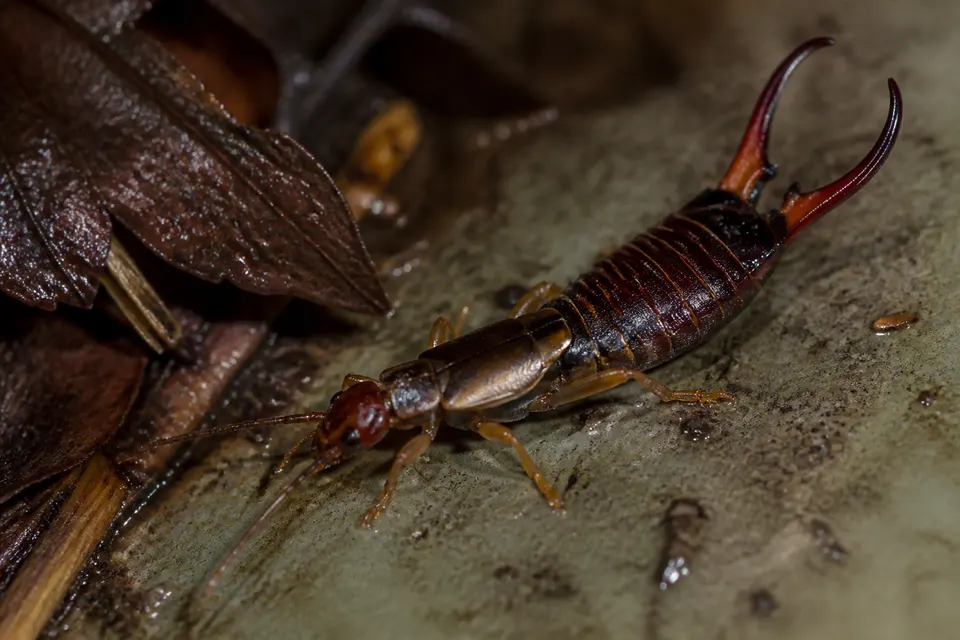
Earwig
Forficula auricularia and others
Earwigs have pincers and a folklore problem. They do not seek ears as a lifestyle. They are nocturnal, moisture-loving omnivores…
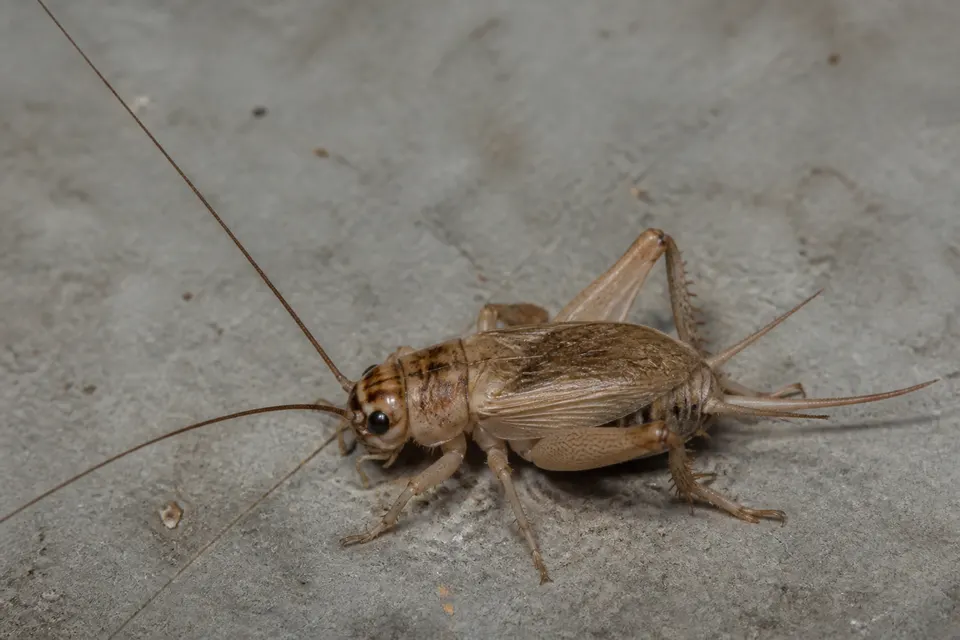
House cricket
Acheta domesticus
House crickets chirp, eat fabrics and paper occasionally, and thrive around dumpsters and warm basements. They are the pet-food…
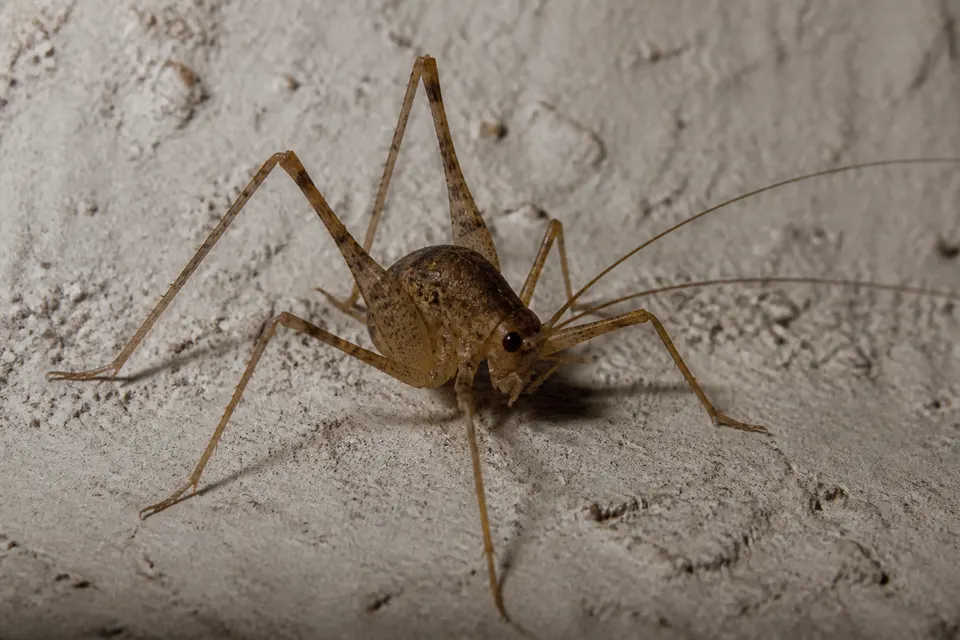
Camel cricket
Rhaphidophoridae
Camel crickets are humpbacked, long-legged, and silent. They explode from a crawlspace when you open the hatch. They need…
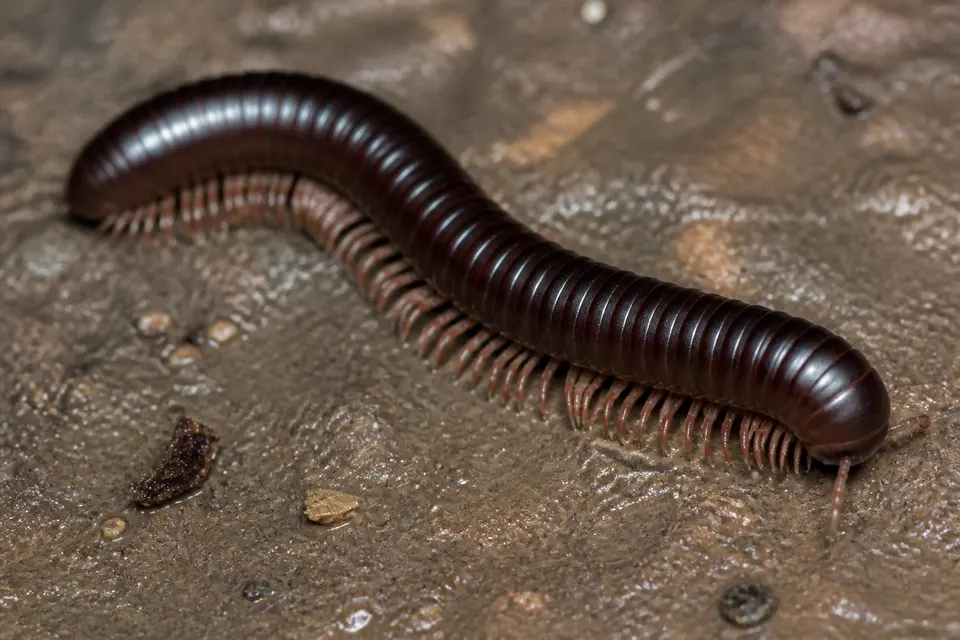
Millipede
Diplopoda
Millipedes are rounded, many-legged detritivores. They invade after heavy rain or irrigation, then die on the rug and smell…
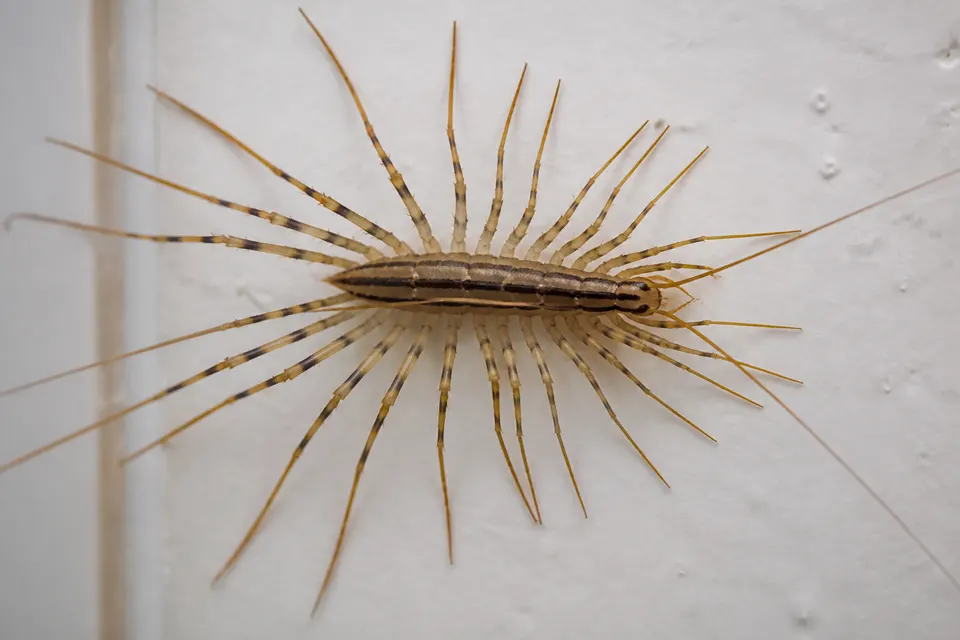
House centipede
Scutigera coleoptrata
Scutigera coleoptrata is the long-legged indoor hunter that runs on bathroom tile at night. It can pinch if grabbed. Outdoor…
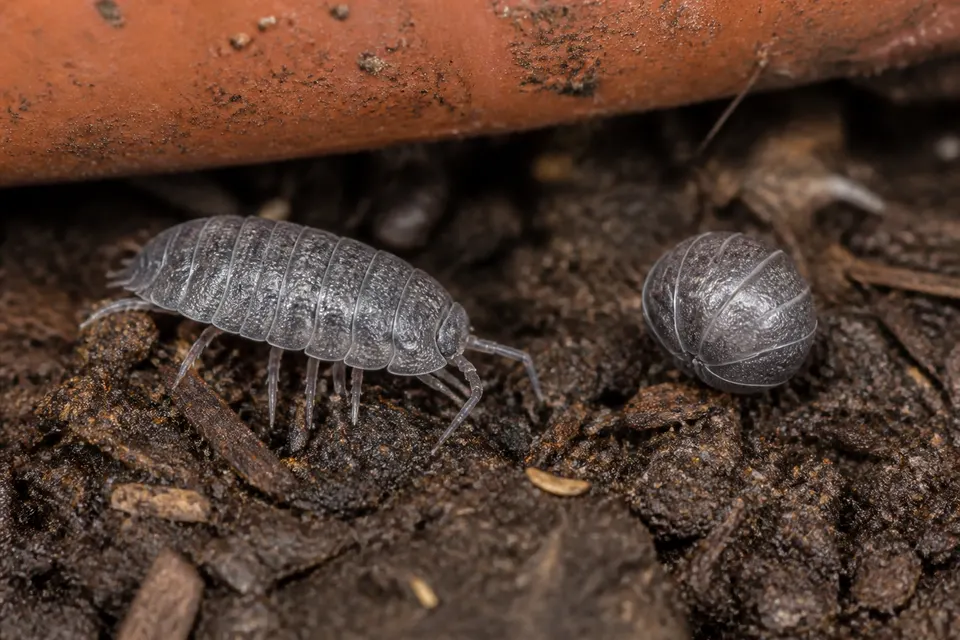
Sowbug and pillbug
Oniscidea
Sowbugs and pillbugs are isopods. Pillbugs roll; sowbugs generally cannot. They eat decaying plant matter and invade from wet…
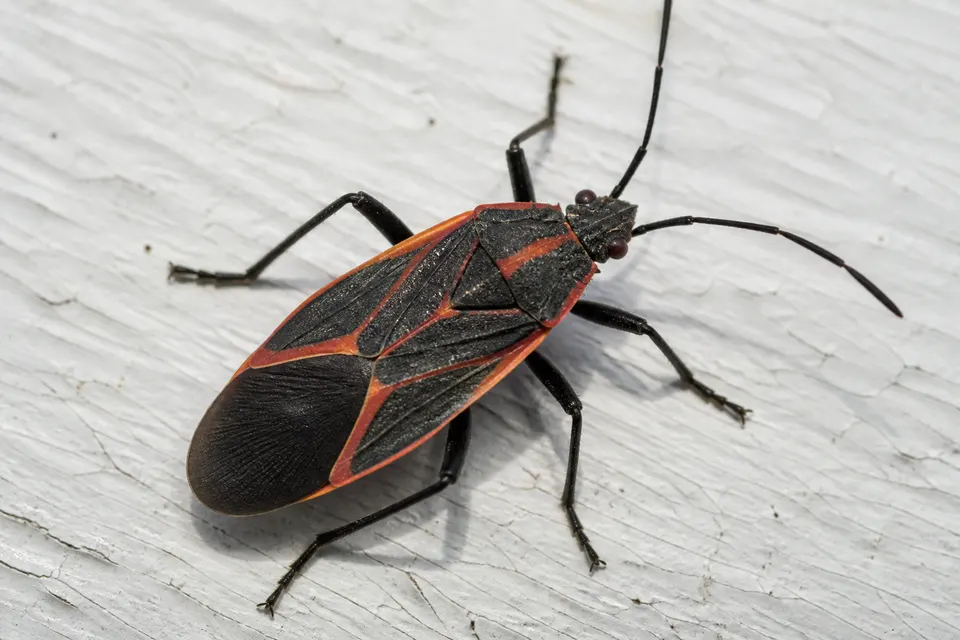
Boxelder bug
Boisea trivittata
Boxelder bugs are black and red true bugs that sun on south walls in fall and slip into attics. They do not eat the house. They…
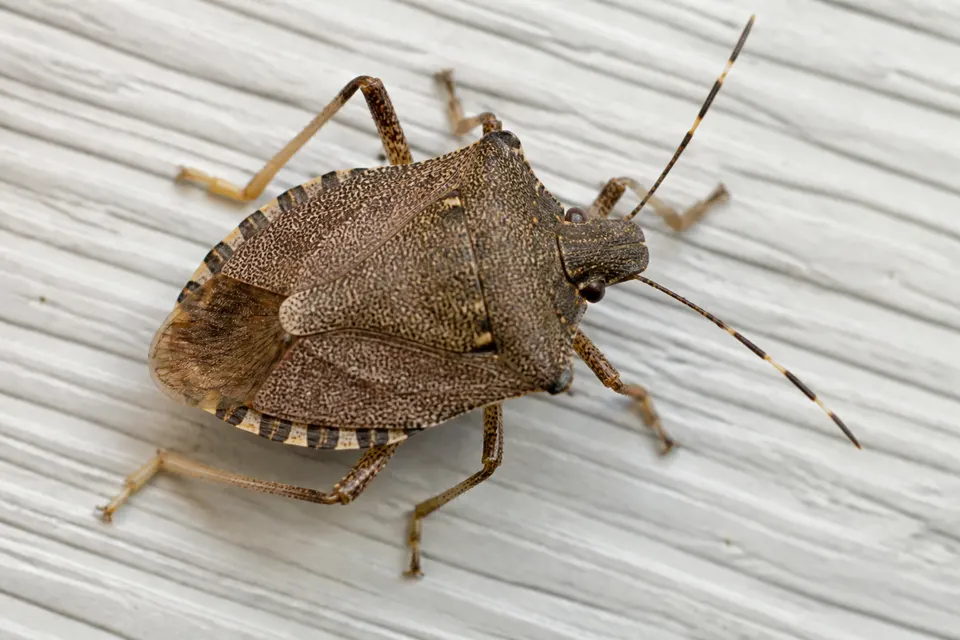
Brown marmorated stink bug
Halyomorpha halys
Brown marmorated stink bugs are invasive shield bugs that wreck some fruit crops and pour into siding gaps on the first cold…
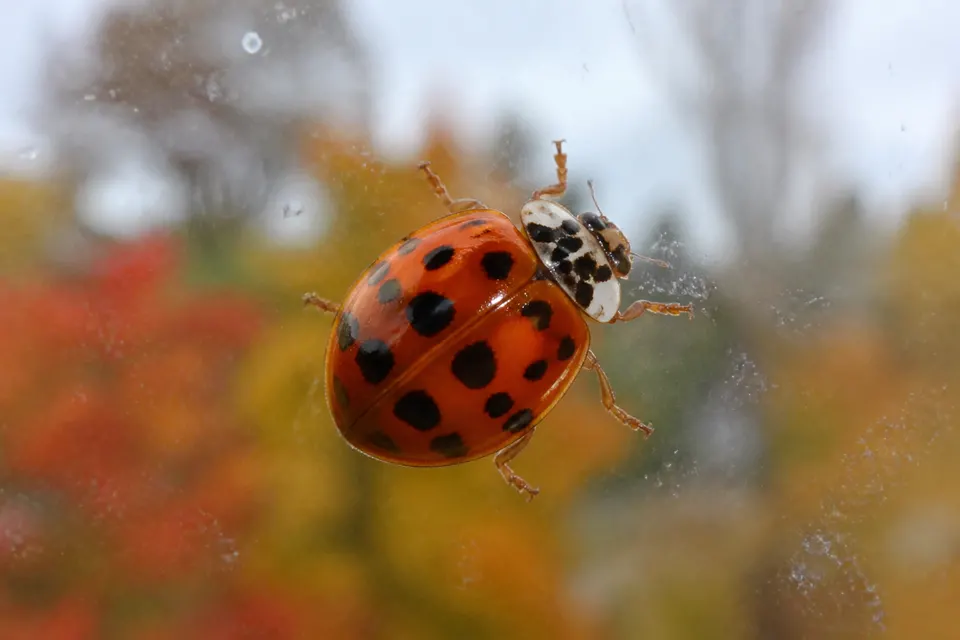
Asian lady beetle
Harmonia axyridis
Harmonia lady beetles were promoted for aphid control and then became a fall invader that stains, smells, and occasionally nips…
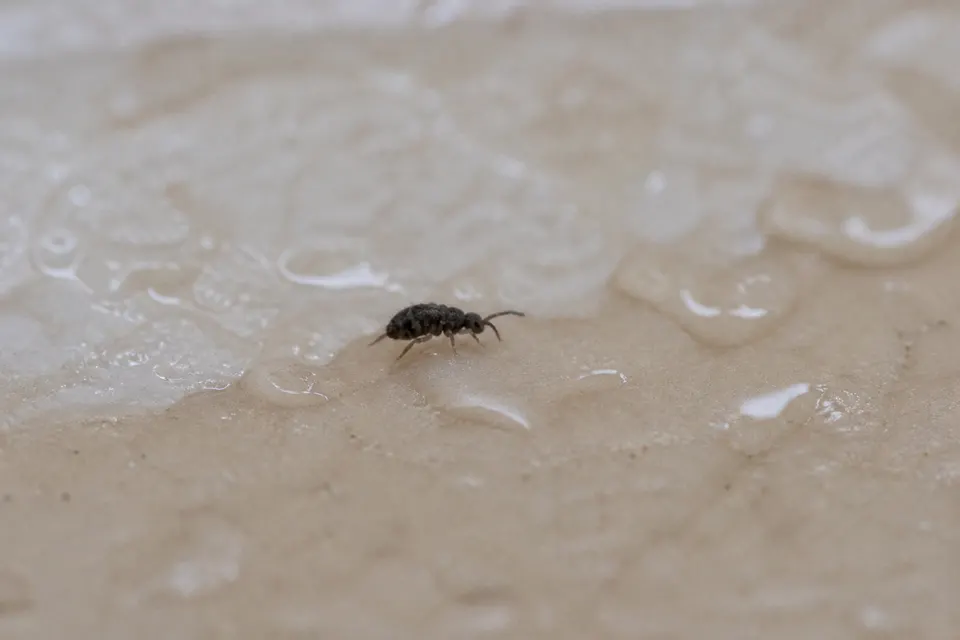
Springtail
Collembola
Springtails are tiny hexapods that hop on wet surfaces. Indoor showers of them mean a leak, a wet basement, or overwatered…