Spiders, scorpions, and mites
Spider, scorpion, and mite control
Most spiders in US homes are incidental predators. Two medically important groups get the attention they deserve: widow spiders and recluse spiders in their actual ranges. Misidentification is common; a wolf spider is not a recluse. Compare dark cobweb spiders in black widow look-alikes, then use the black widow control page for safe removal. Cellar spiders are not harvestmen — see the cellar spider card. Scorpions in the Southwest are a shoe-and-threshold problem. Dust mites are an allergen problem, not a spray problem, and not “spider mites in bed.”
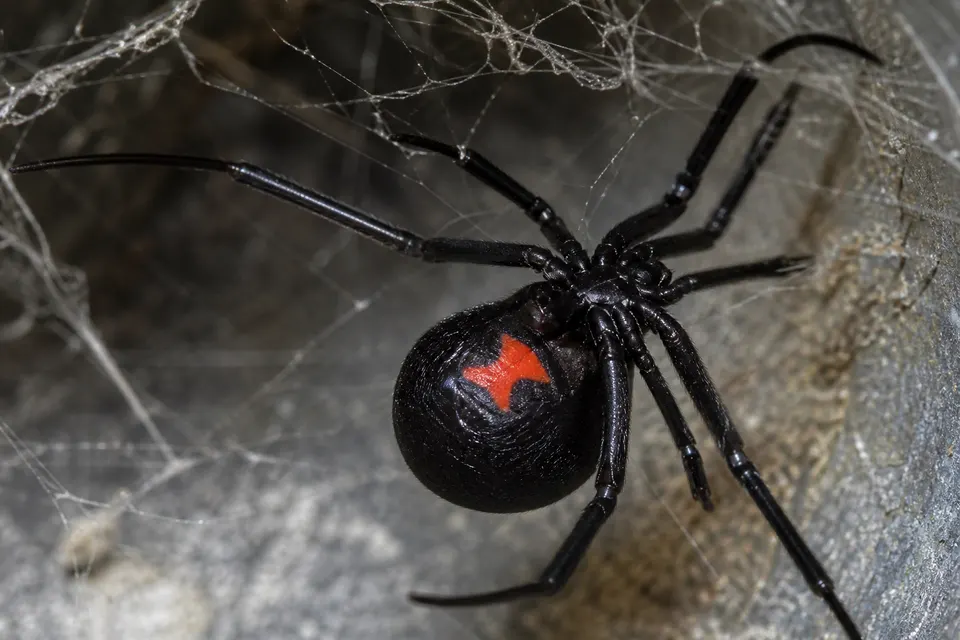
Black widow
Latrodectus spp.
Widow spiders are the medically important cobweb spiders of US clutter: woodpiles, meter boxes, playgrounds, and outdoor…
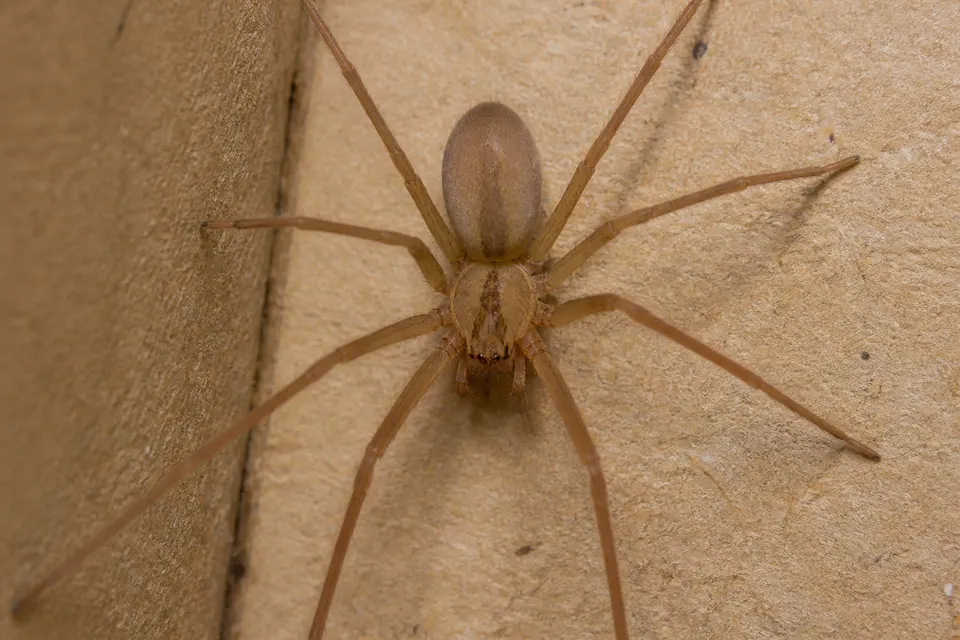
Brown recluse
Loxosceles reclusa
Brown recluses are violin-marked, six-eyed (in three pairs) spiders of the south-central United States. The internet has…
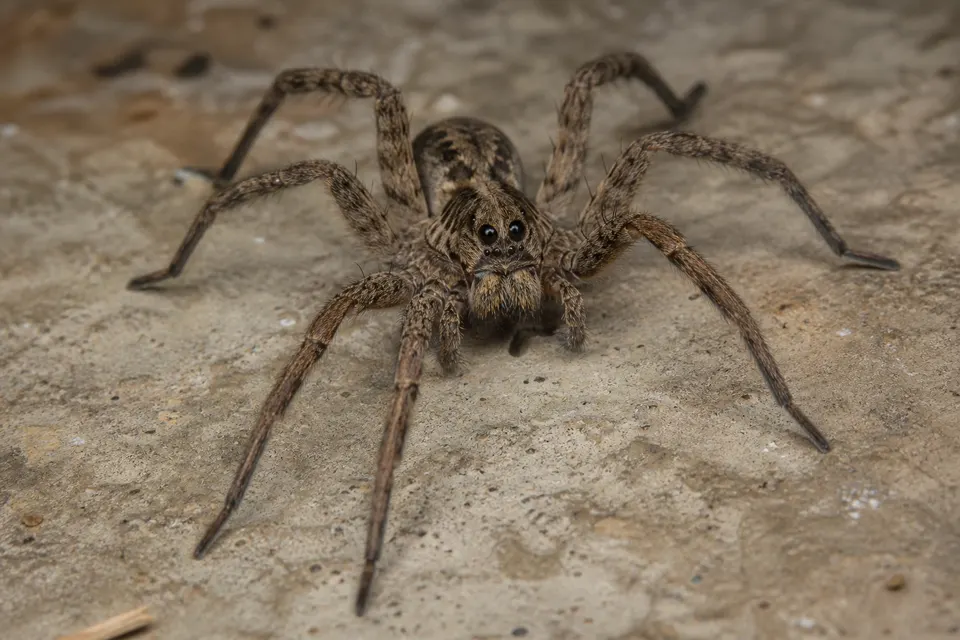
Wolf spider
Lycosidae
Wolf spiders are the large, hairy, fast hunters people call tarantulas (they are not) or recluses (they are not — they have…
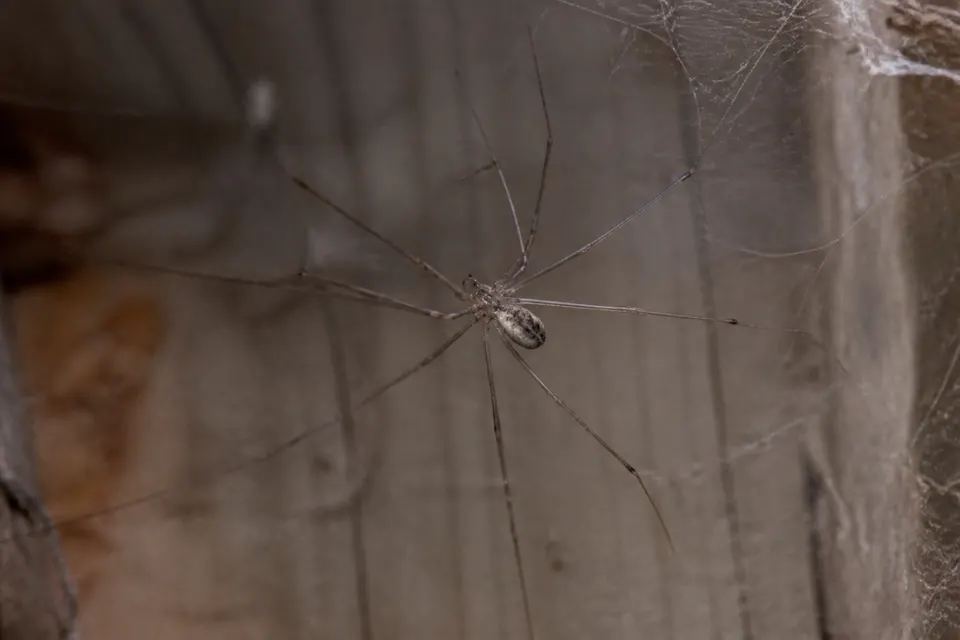
Cellar spider
Pholcidae
They sit in messy corner webs and bounce when disturbed. They eat other arthropods, including sometimes more dangerous spiders…
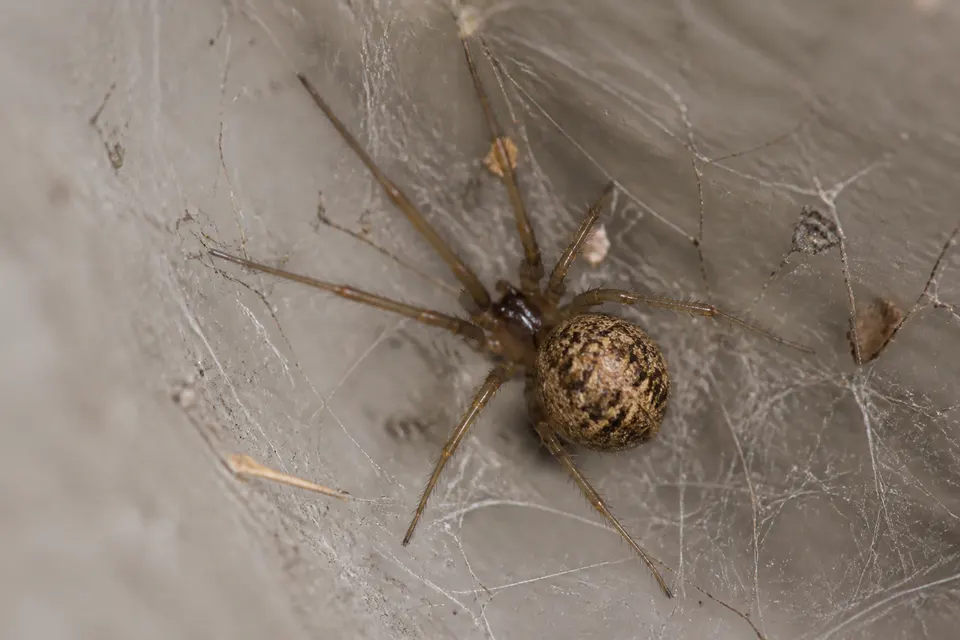
Common house spider
Parasteatoda tepidariorum and similar cobweb spiders
The common house spider builds messy cobwebs in corners and eats other insects. It is not a widow (no hourglass, different…
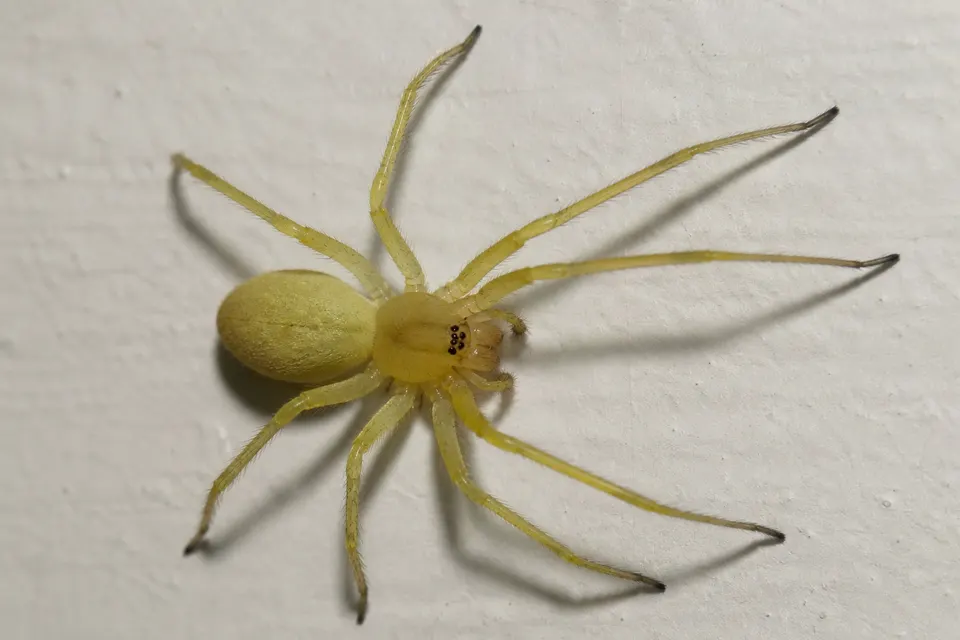
Yellow sac spider
Cheiracanthium spp.
Yellow sac spiders are pale, long-legged nocturnal hunters that hide in silken sacs in corners of rooms and in foliage. They get…
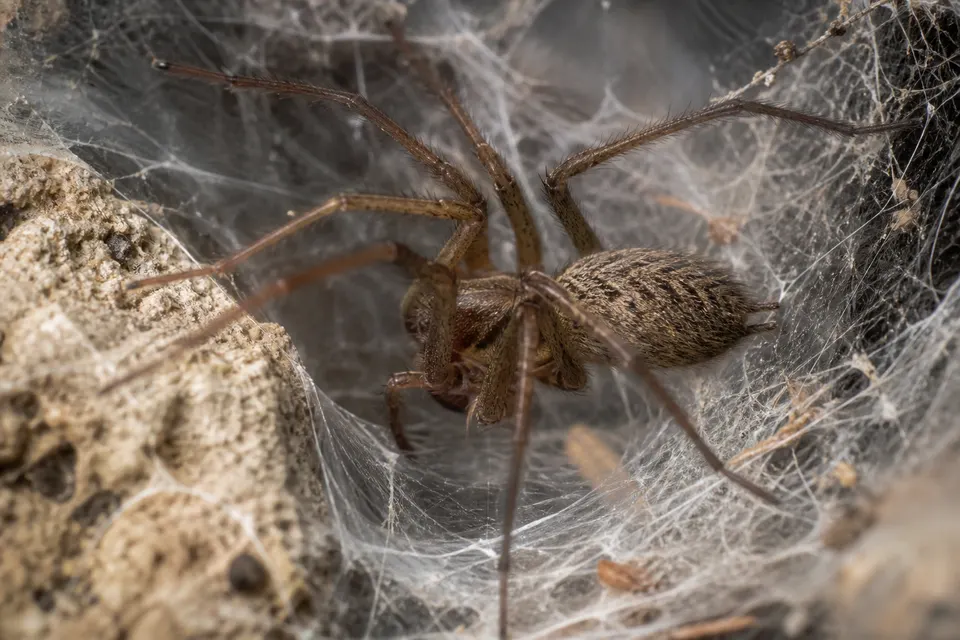
Hobo spider
Eratigena agrestis
Hobo spiders are funnel weavers of the Pacific Northwest that were blamed for necrotic bites for years. More recent medical and…
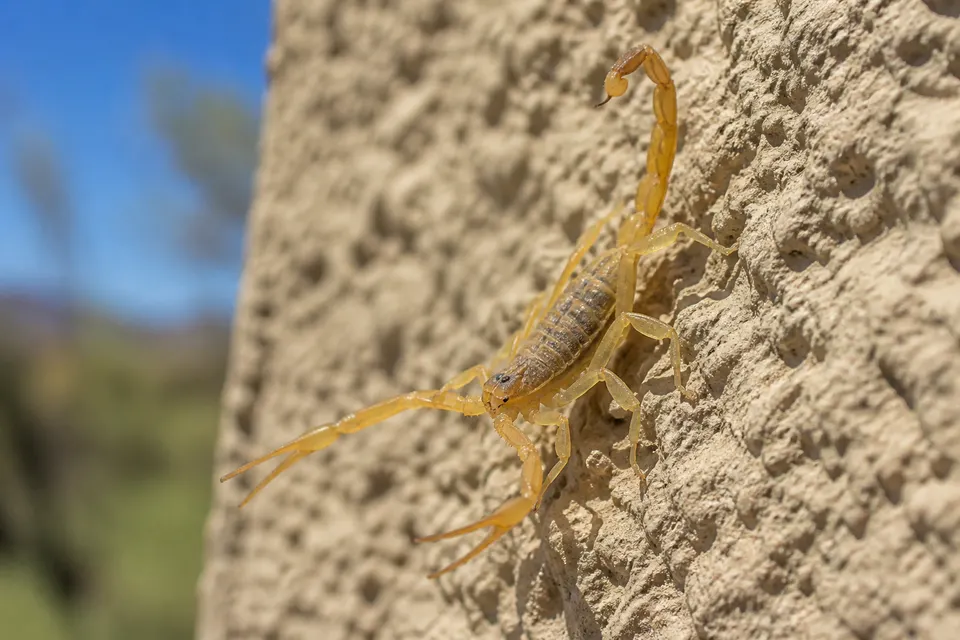
Bark scorpion
Centruroides sculpturatus
Arizona bark scorpions climb. They hide in shoes, bedding, and block walls. Stings are medical — poison control and emergency…
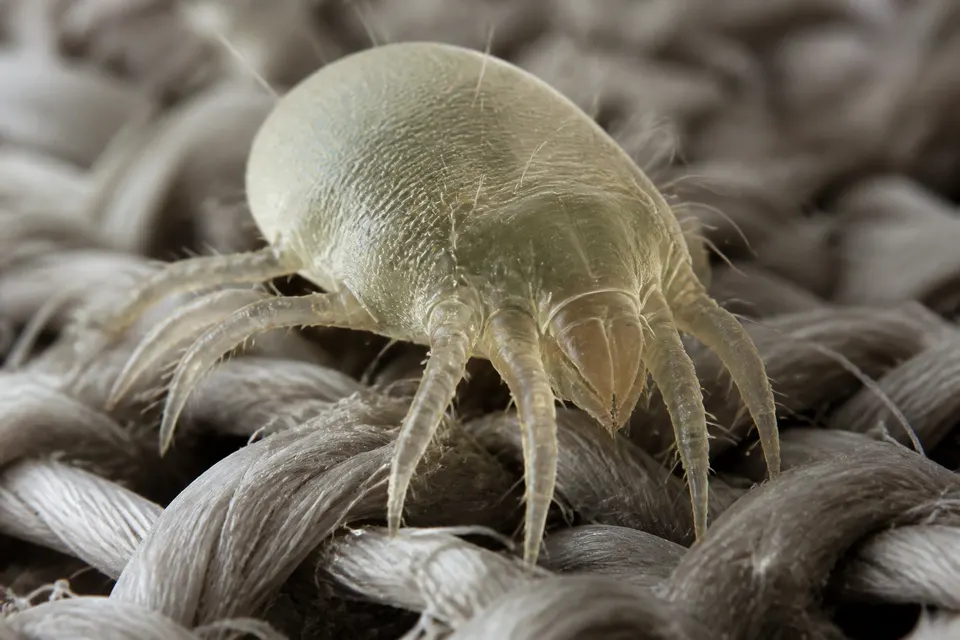
Dust mite
Dermatophagoides spp.
Dust mites are microscopic arachnids in mattresses and carpets. They do not burrow in skin like scabies. They produce allergens…
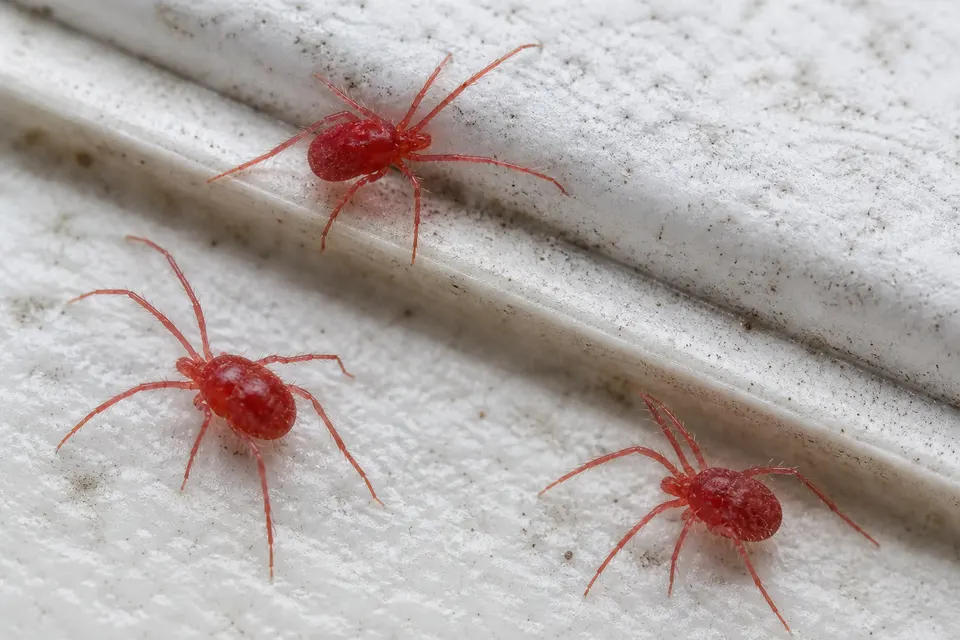
Clover mite
Bryobia praetiosa
Clover mites are tiny red plant mites that invade sunny south and west walls in huge numbers, then stain red if crushed on…
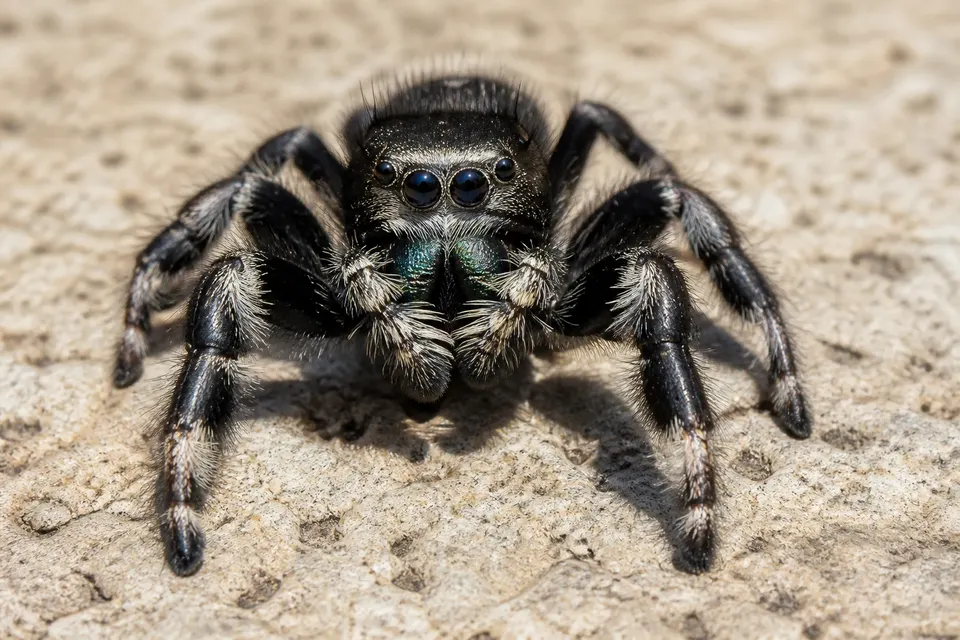
Jumping spider
Salticidae
Jumping spiders are the curious, sharp-eyed hunters on sunny windows. They jump. They are not recluses, widows, or tarantulas…